Discover
History lovers’ Coimbra
Monuments & sites
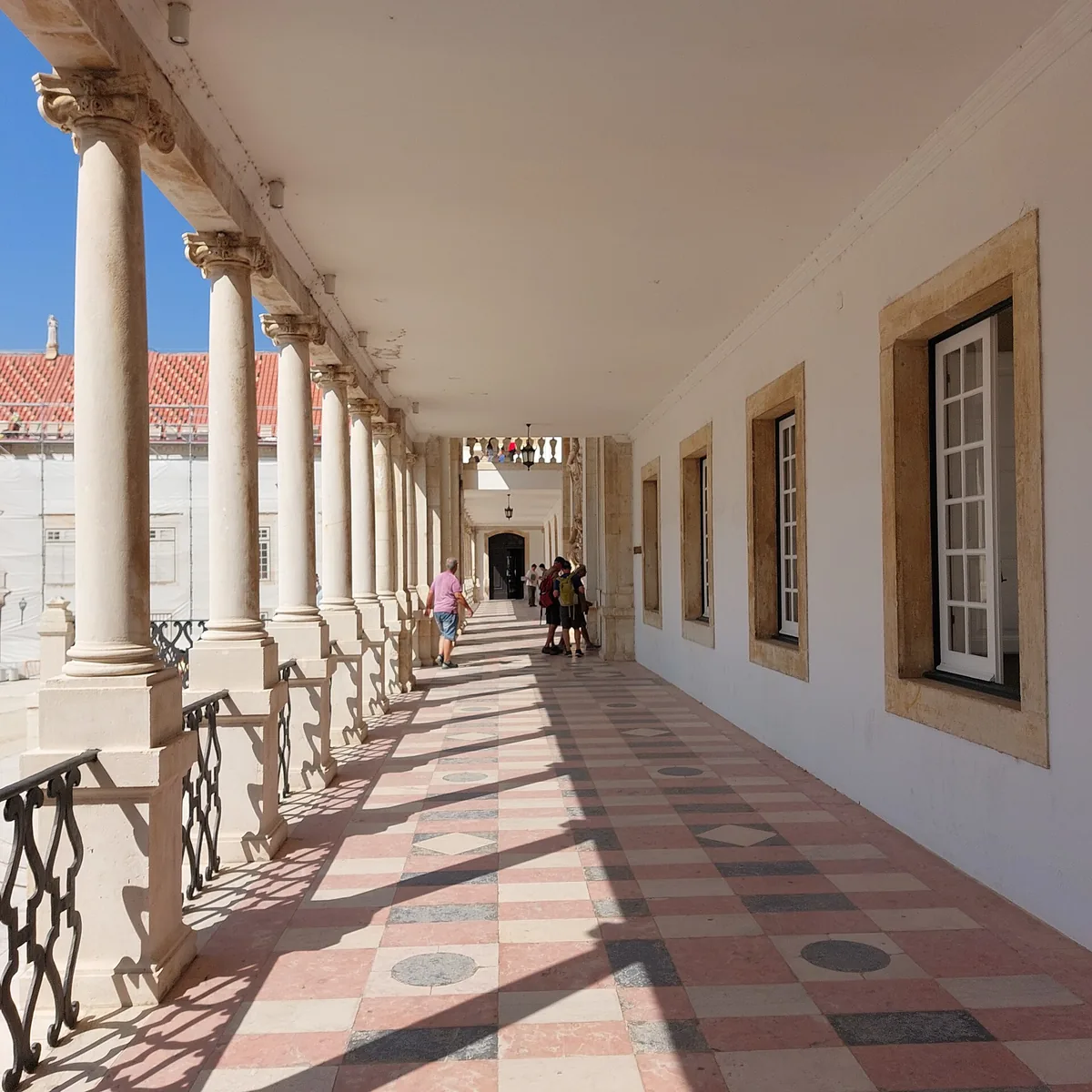
Prisão Académica
The oldest preserved prison in Portugal, in the basement of the most beautiful library in Portugal, and you have to walk through it to reach the books.
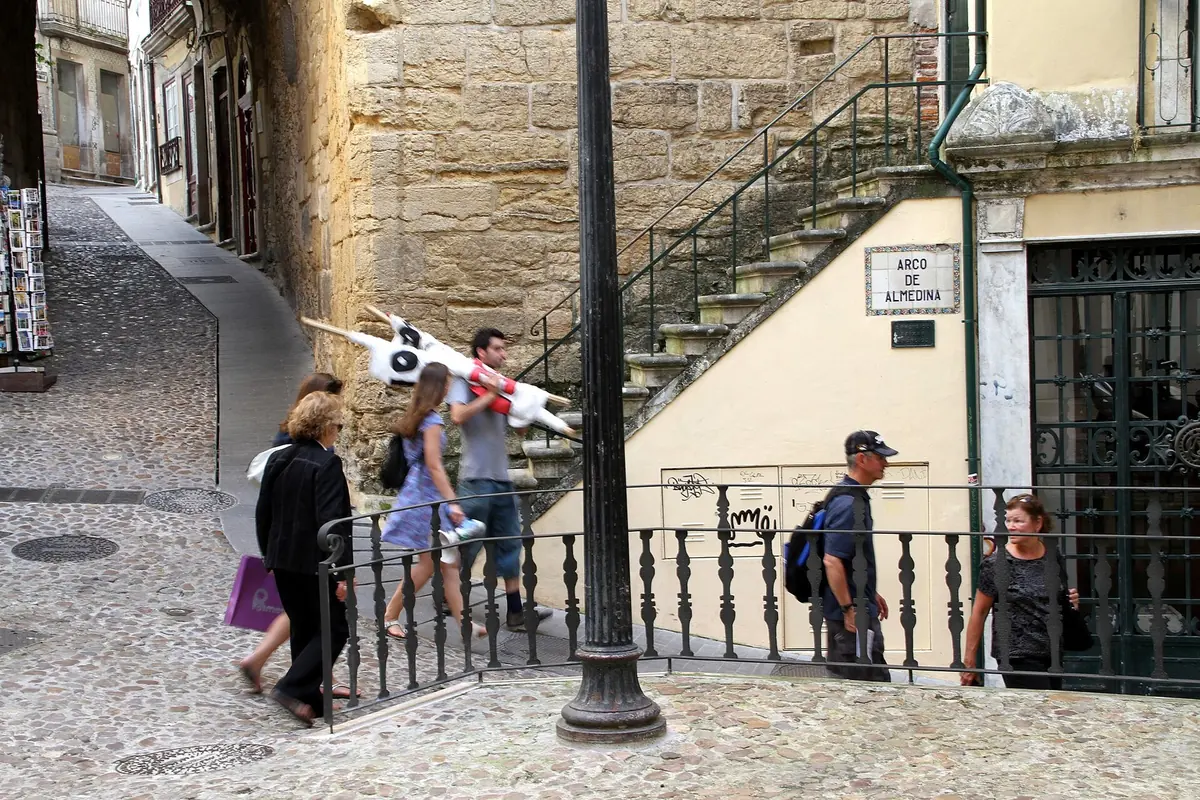
Arco de Almedina
Coimbra’s surviving town gate: free to walk through at any hour, with a municipal museum in the tower above that most visitors never manage to catch open.
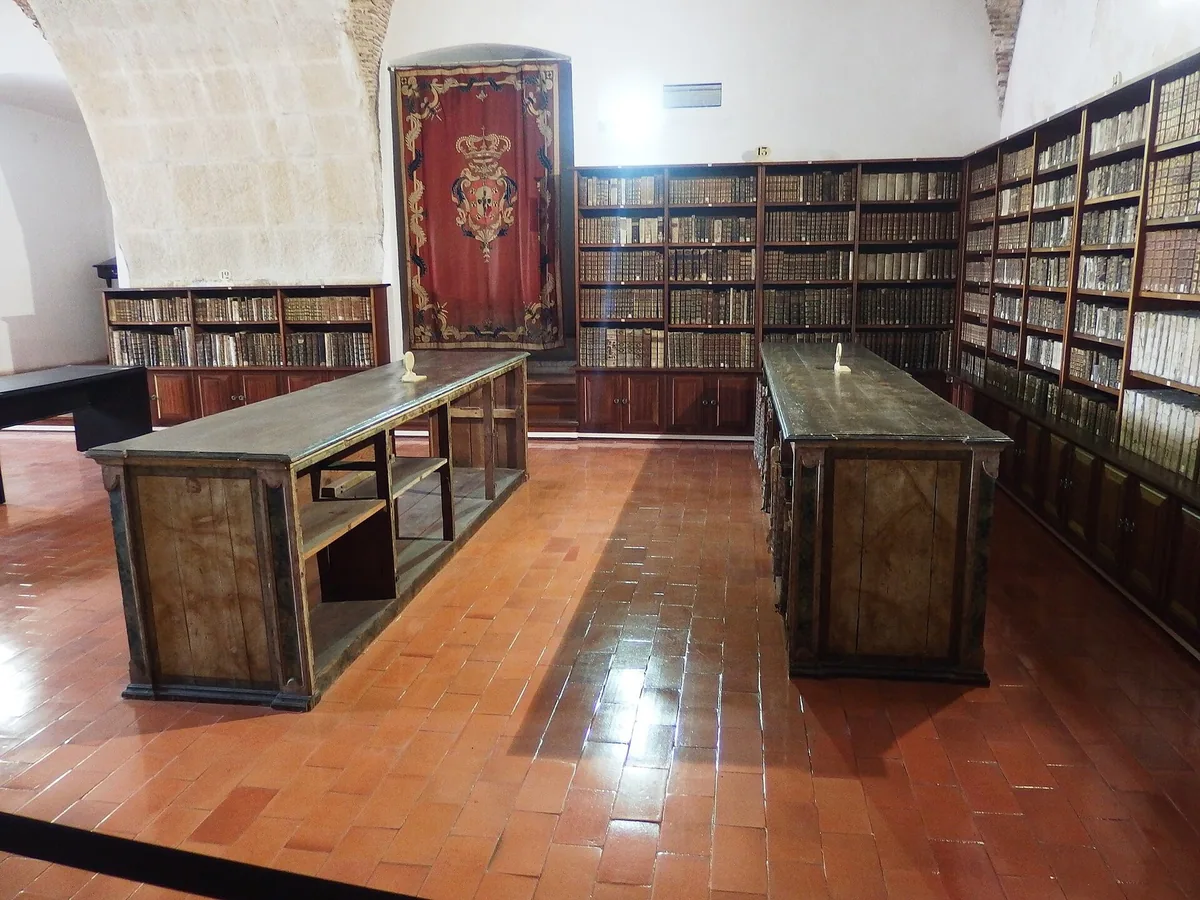
Biblioteca Joanina
Portugal’s grandest Baroque interior, entered through a medieval jail, guarded by bats and sold only as a timed slot inside a combined university ticket.
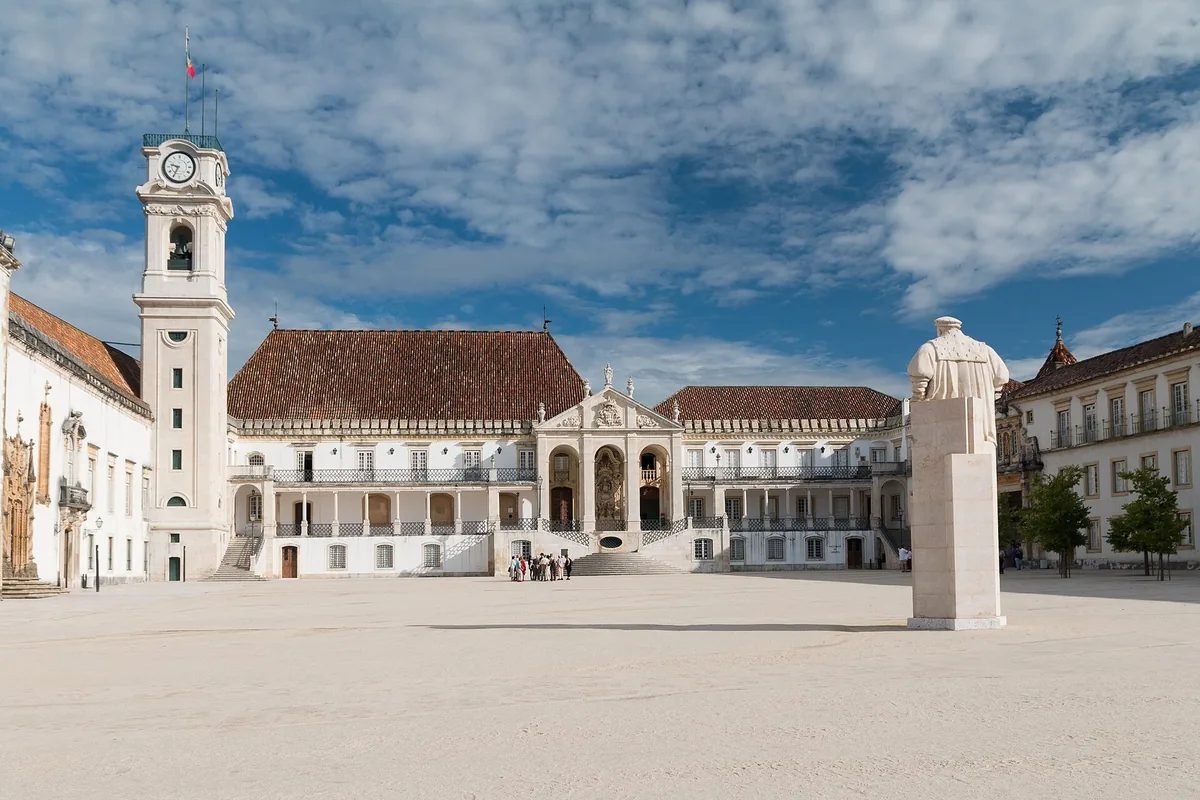
Paço das Escolas
Portugal’s first royal household, handed to the University in 1544 and still its ceremonial heart: armoury, faculty colour rooms and two examination halls.
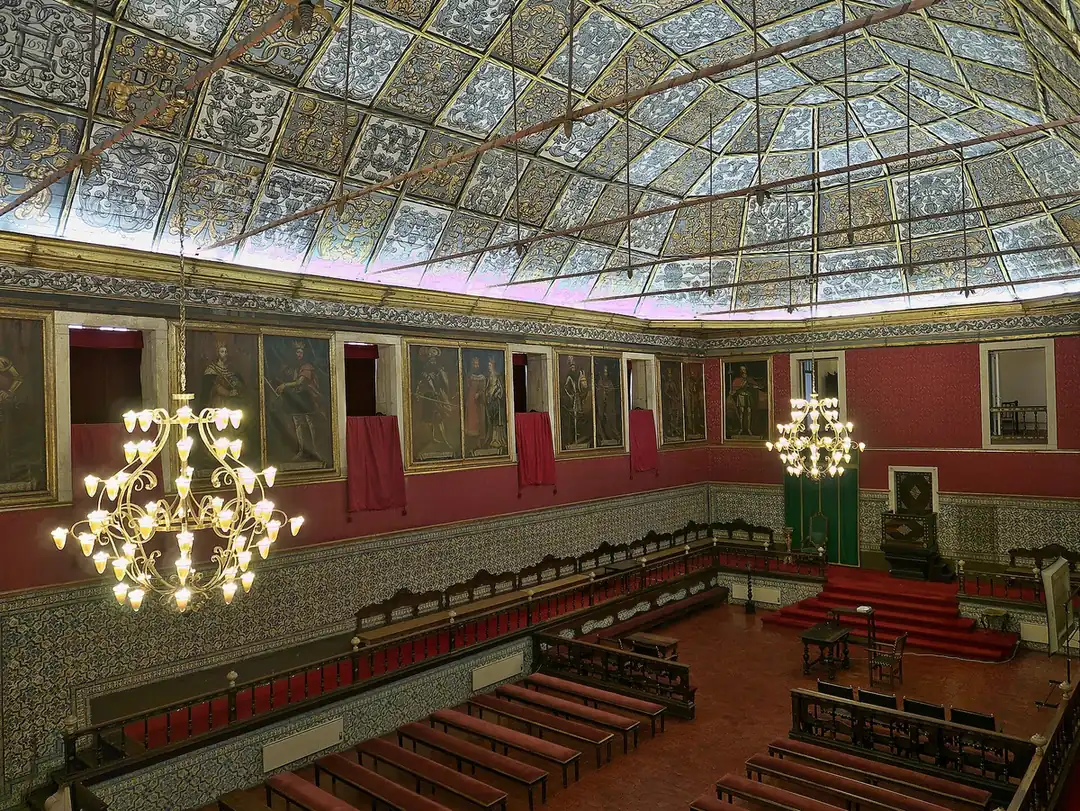
Sala dos Capelos
The first dynasty’s throne room, now the University’s ceremonial hall: 172 grotesque ceiling panels and every Portuguese king except sixty years of Spanish ones.
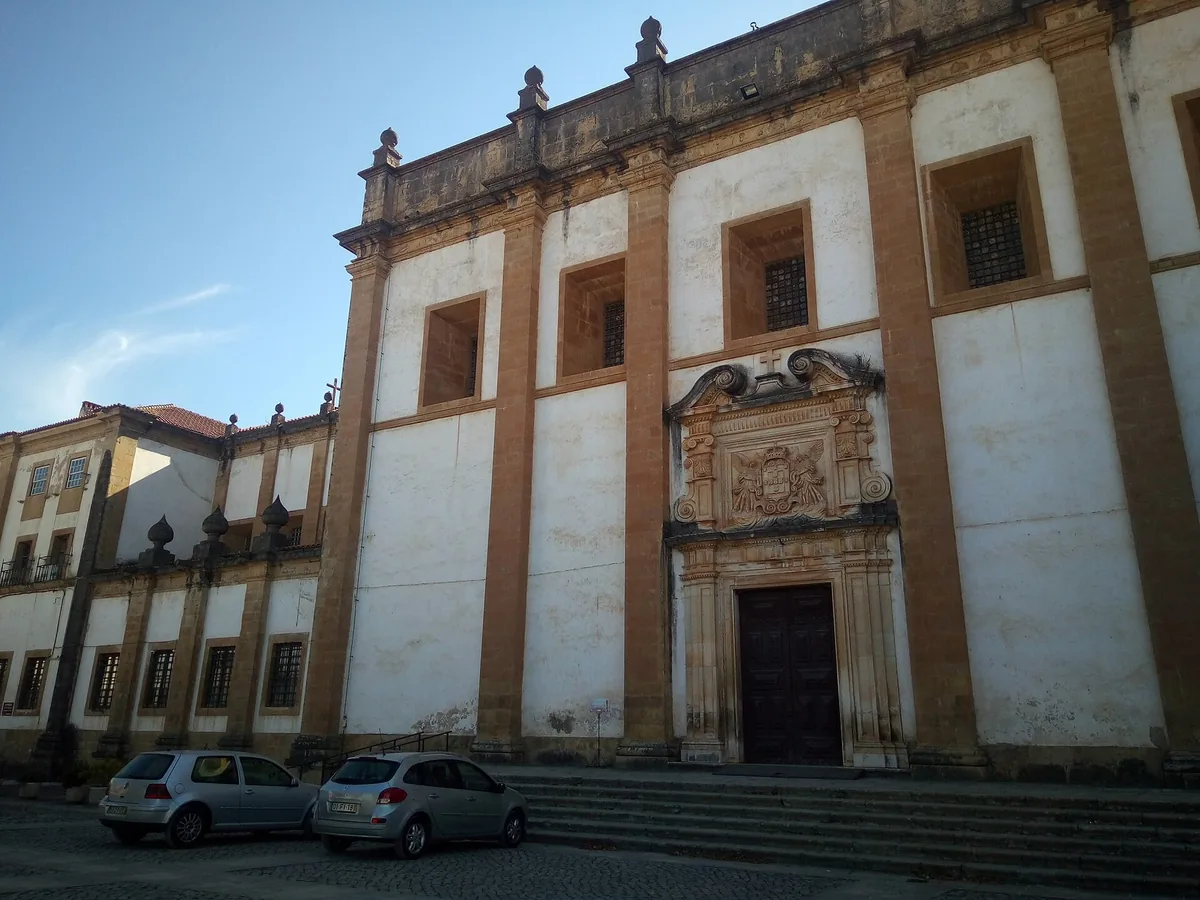
Mosteiro de Santa Clara-a-Nova
Queen Isabel is buried twice in this hilltop monastery: in silver and crystal above the altar, and in the Gothic tomb her nuns dragged up from the flooded river bank.
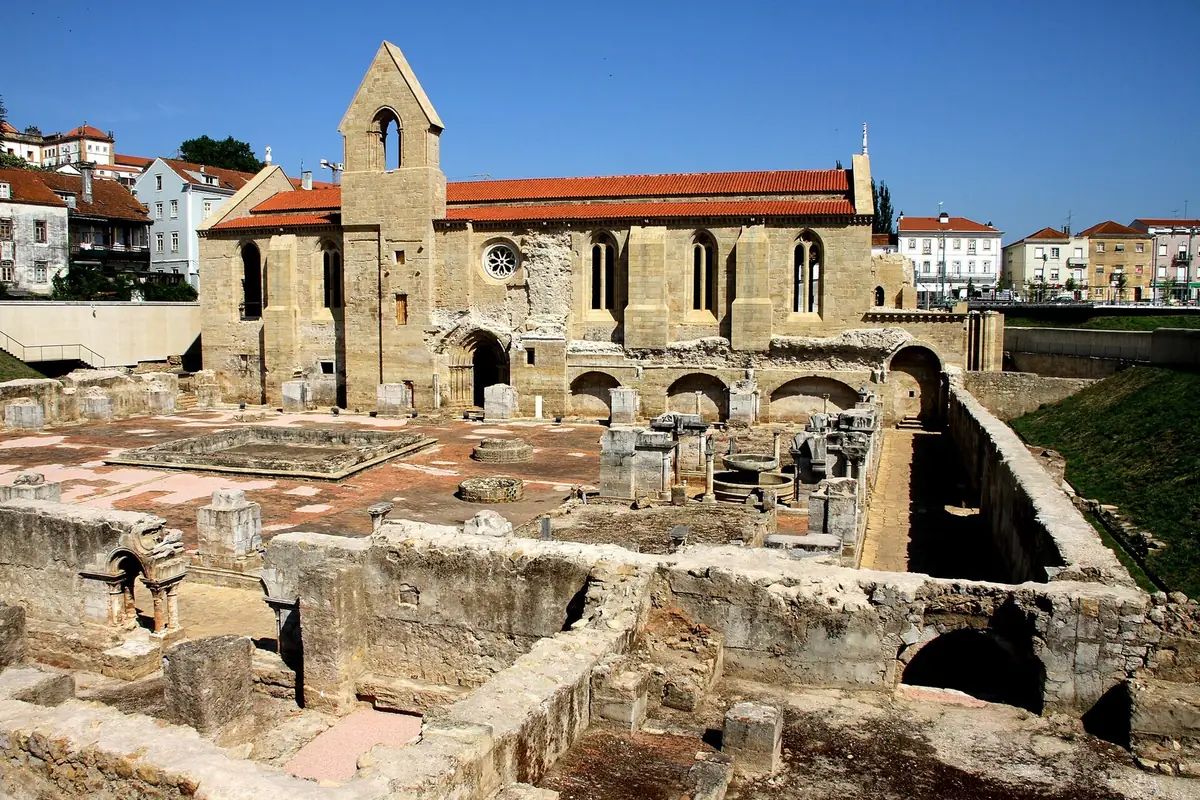
Mosteiro de Santa Clara-a-Velha
The Gothic monastery the Mondego drowned, dug out of the silt in the 1990s and closed again since October 2025 for works. No reopening date has been published.
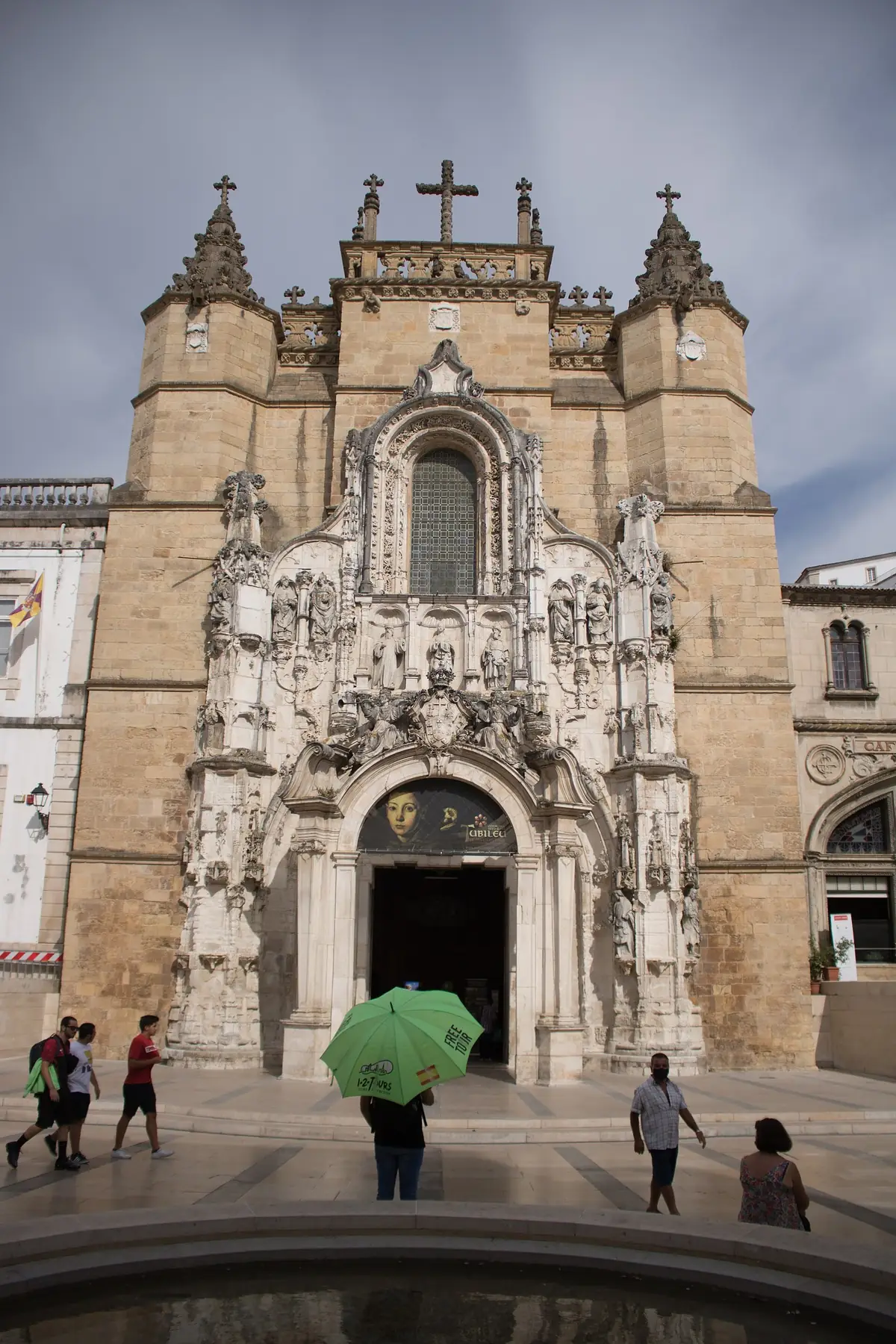
Mosteiro de Santa Cruz
A National Pantheon on the Baixa’s main square: two royal tombs you can see for nothing, and a cloister, sacristy and high choir most visitors never buy.
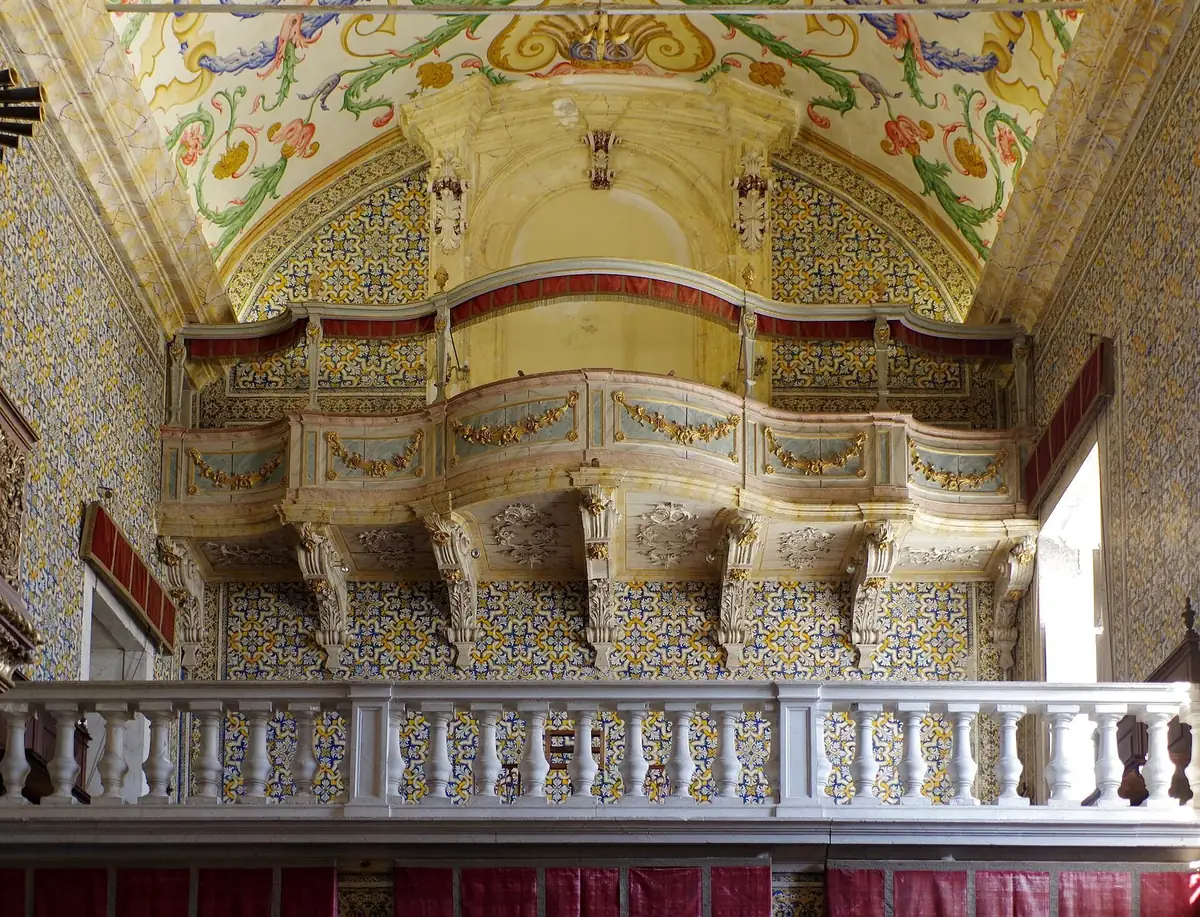
Capela de São Miguel
The royal palace’s private oratory, still the university chapel: blue-and-white tiles of 1613, gilt Baroque altarpiece, and the plaque that took the crown off Portugal’s kings.
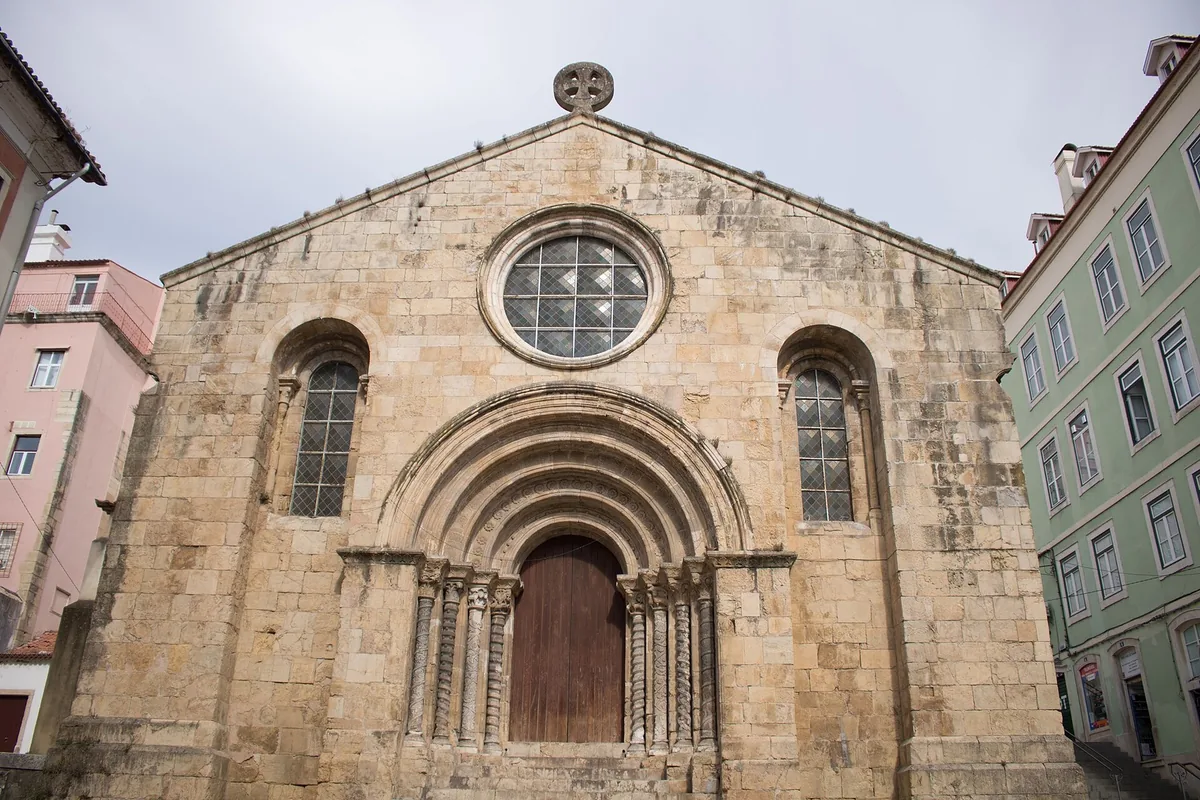
Igreja de São Tiago
One of Coimbra’s oldest buildings, on the Baixa’s busiest square, and the hardest to get information about: no official page publishes its hours or admission.
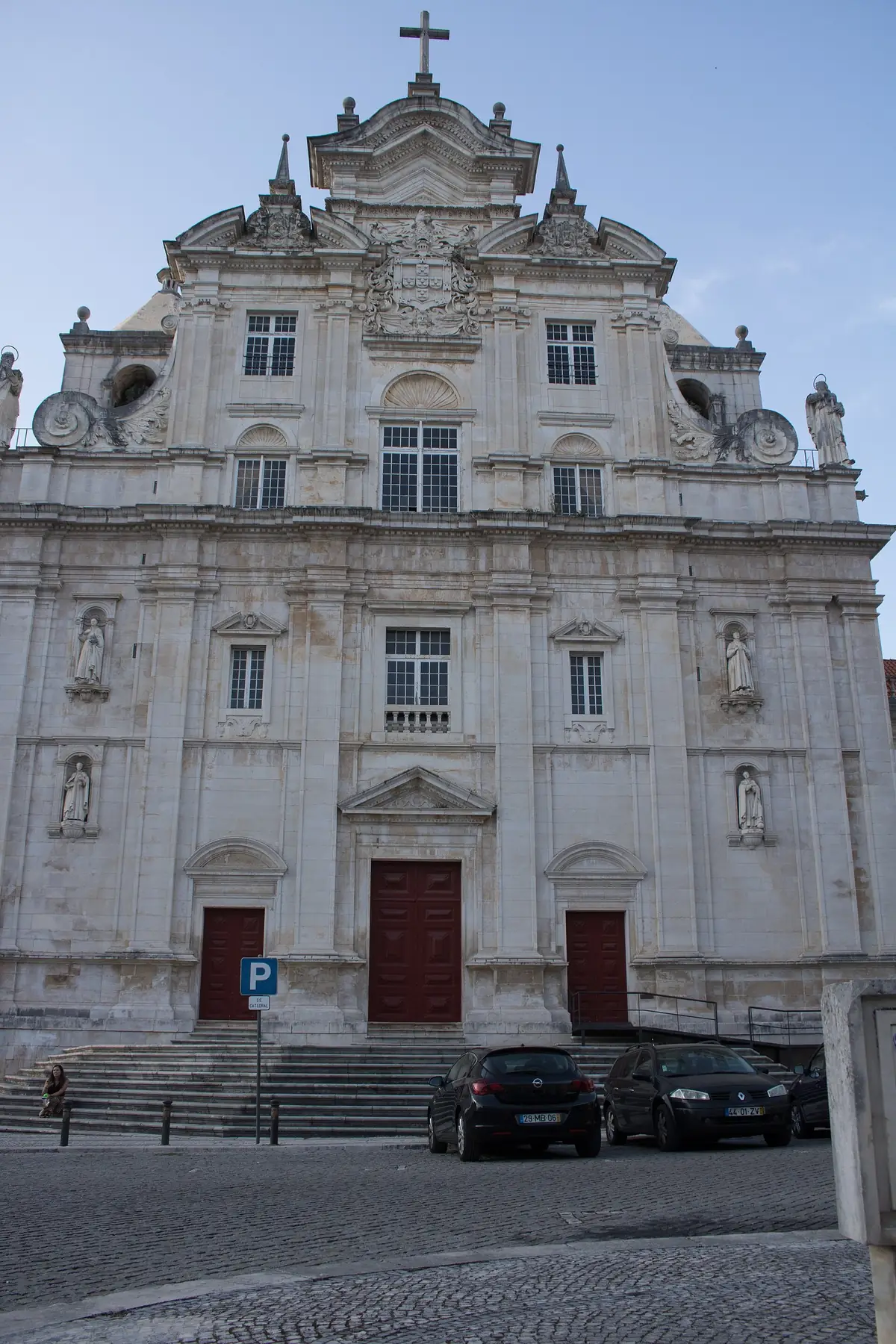
Sé Nova de Coimbra
The Jesuit College church that took a hundred years to build and became Coimbra’s cathedral in 1772 for one reason: it was bigger than the old one. Entry 1 EUR.
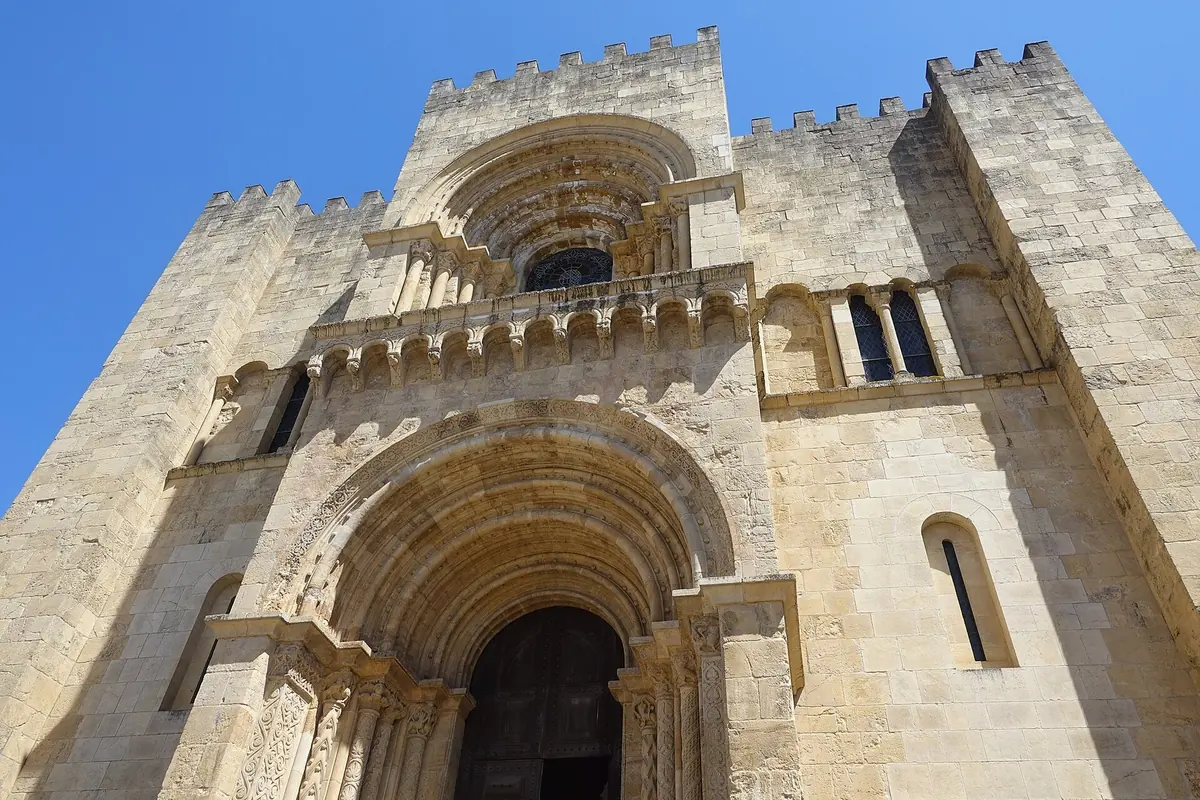
Sé Velha de Coimbra
A fortified Romanesque cathedral begun in 1164, with the richest Romanesque carving in Portugal and not a single human figure in it. Entry 3 EUR.
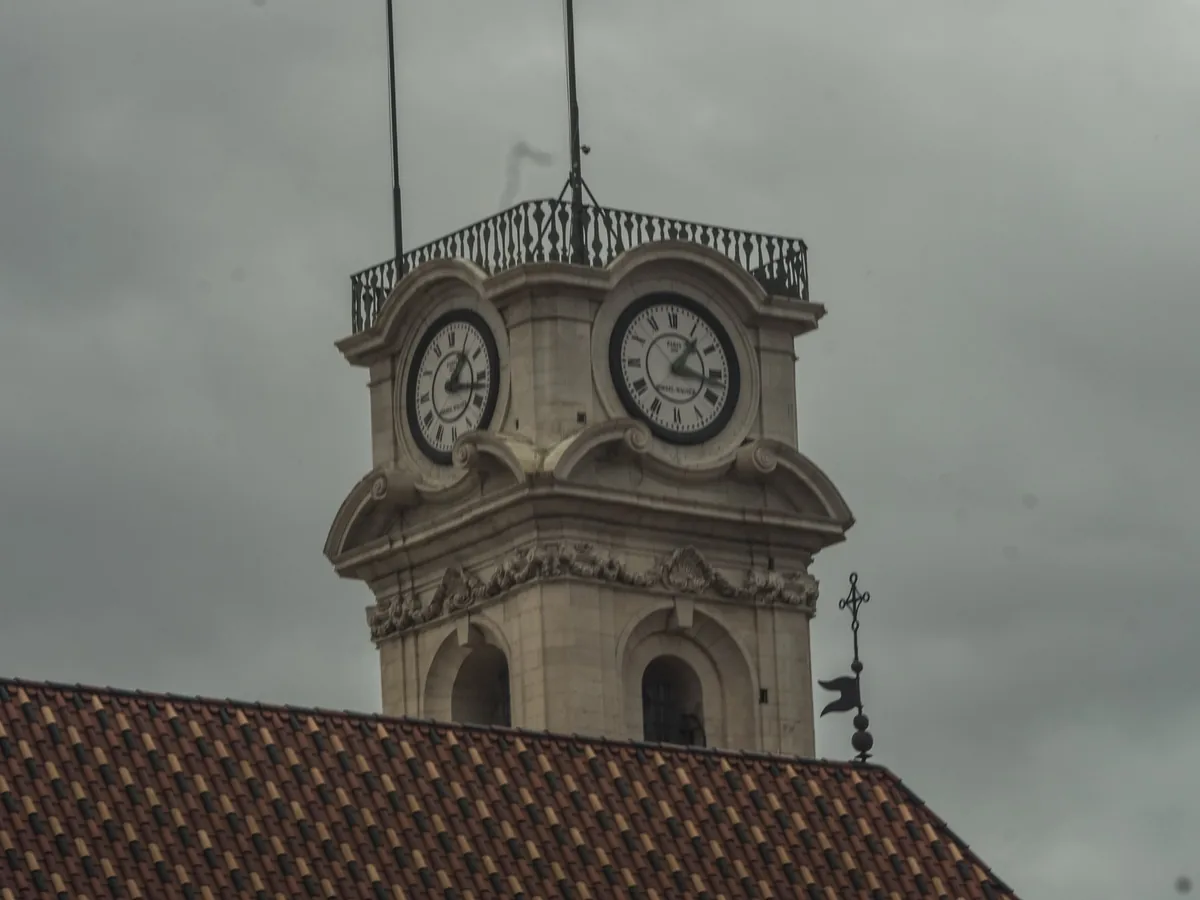
Torre da Universidade
Coimbra’s postcard silhouette, and it is shut. The university states the tower is closed with no date; here is the 184-step climb you cannot do, and what to do instead.
Museums
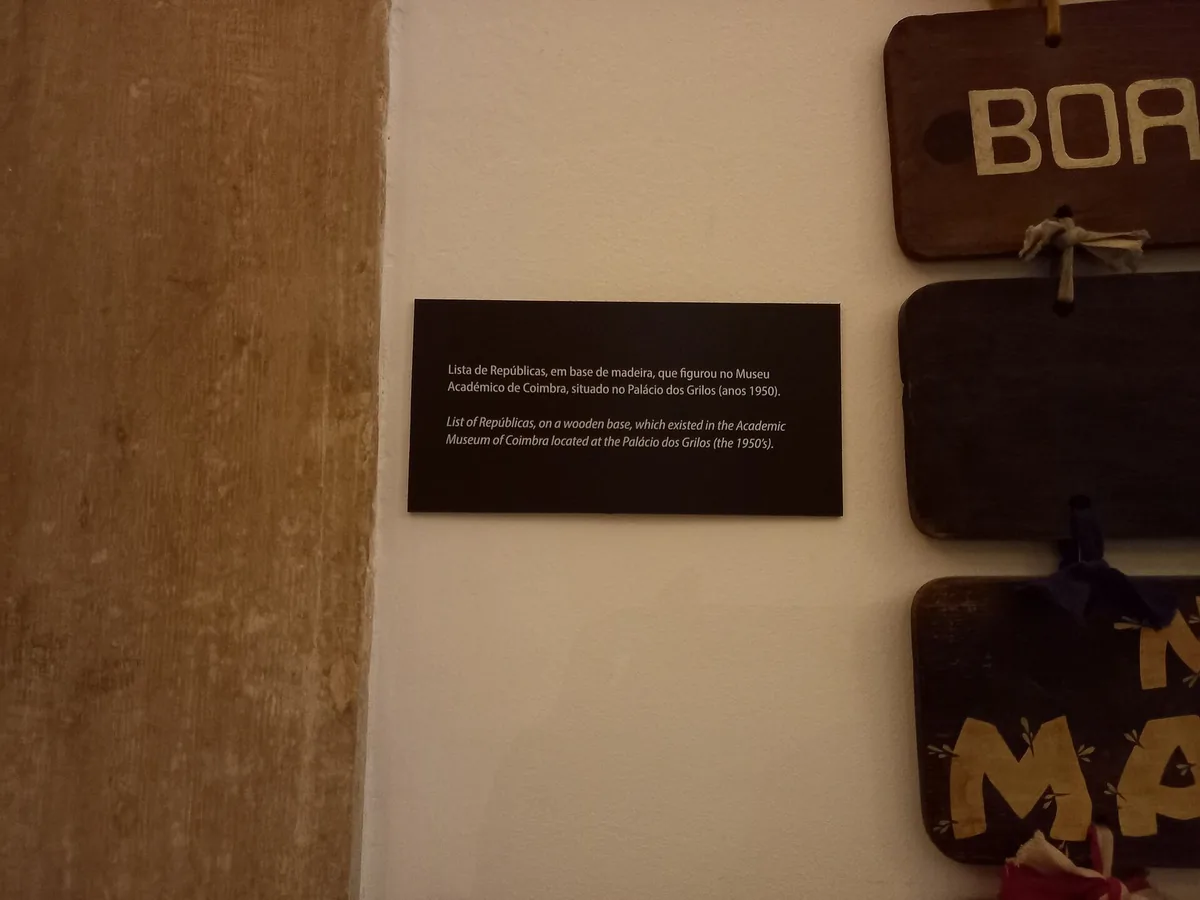
Museu Académico
The museum of the black capes, the burned ribbons and the student republics, included free in every standard university ticket and skipped by nearly everyone.
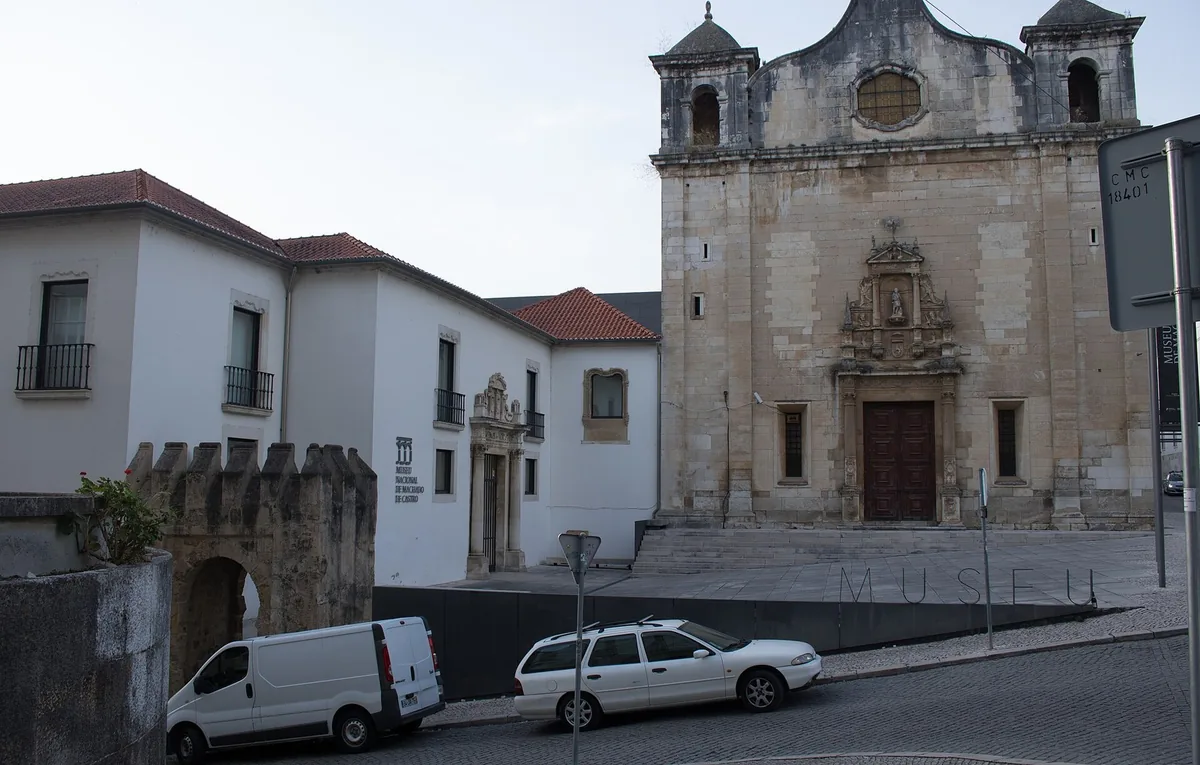
Museu Nacional Machado de Castro
Portugal’s great sculpture museum, built over a Roman cryptoporticus, closed since February 2026 for conservation works with no reopening date published.
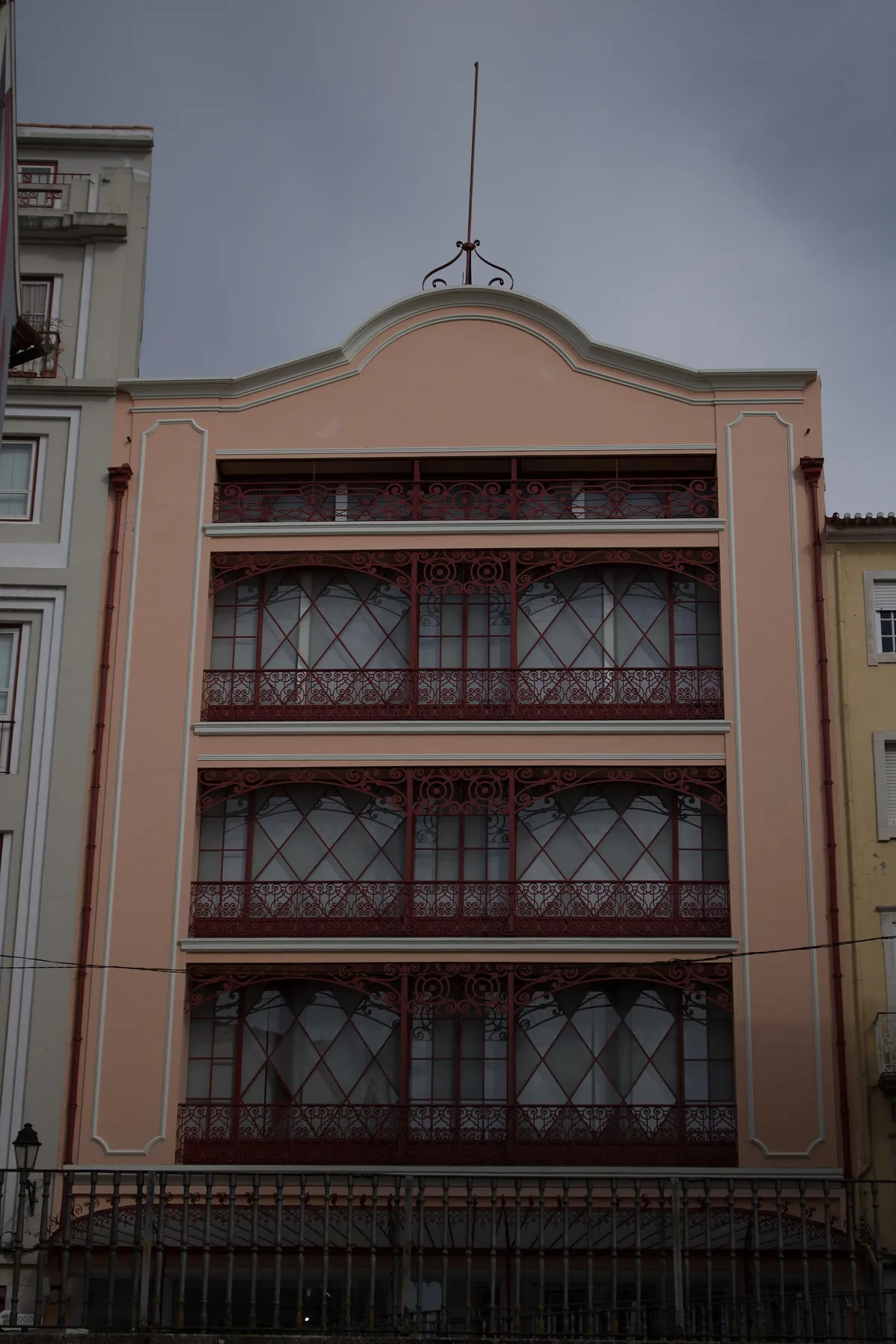
Museu Municipal de Coimbra
Not one museum but six buildings across the historic centre, from the walled-city tower to a mikveh, most open Tuesday to Saturday with a two-hour lunch gap.
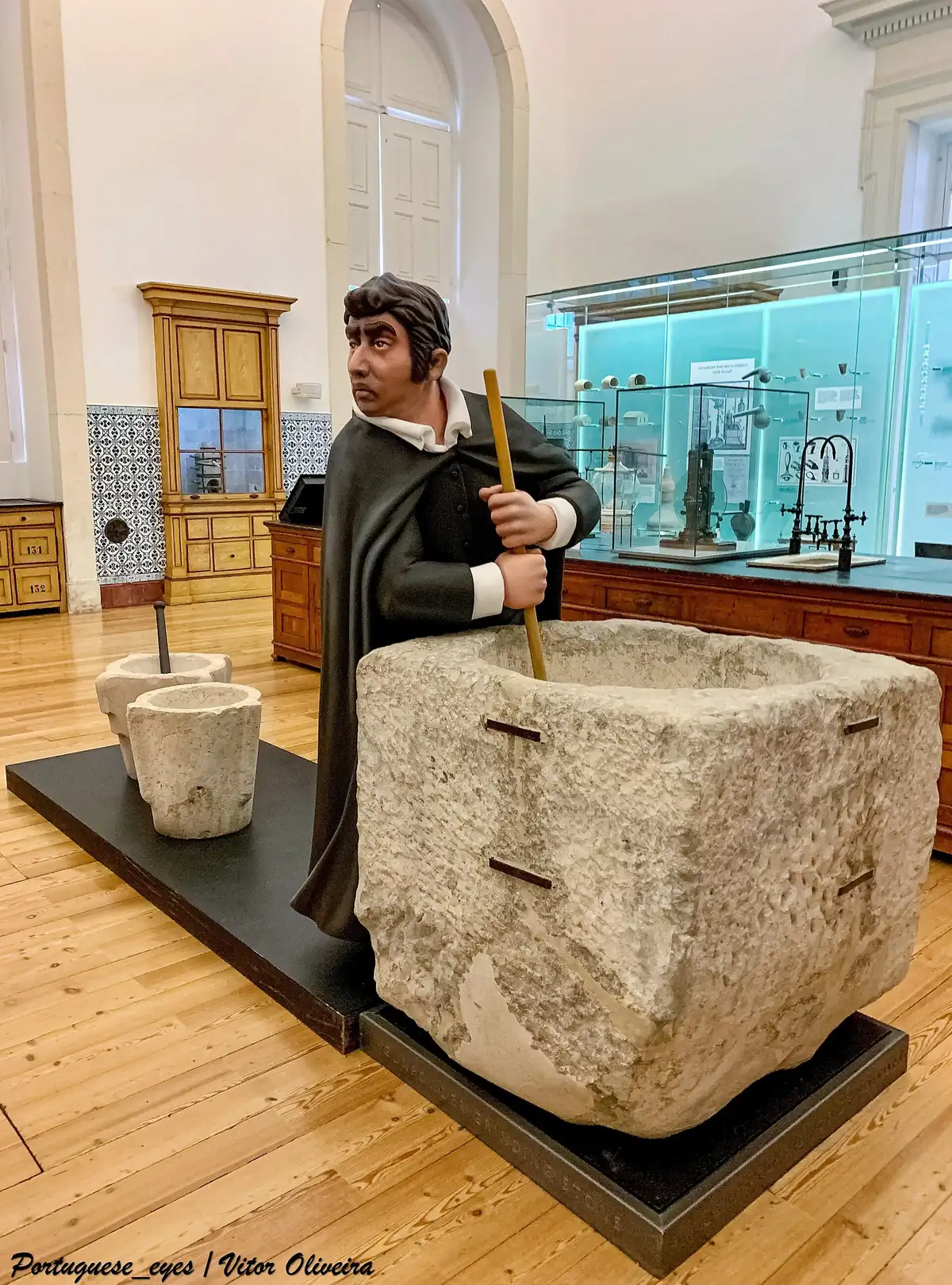
Museu da Ciência da Universidade de Coimbra
A Jesuit refectory turned Pombaline chemistry laboratory, now holding the university’s instruments, minerals and curiosities. Bundled into the standard university ticket.
Neighbourhoods
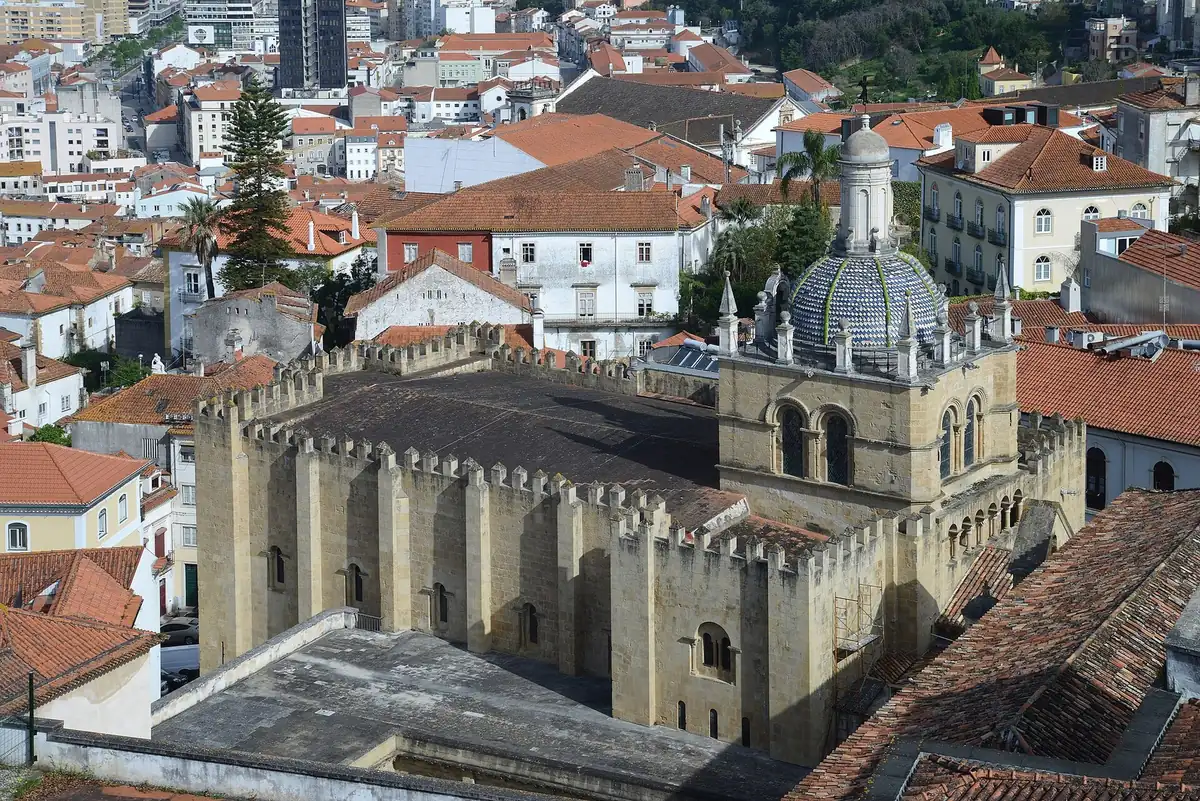
Alta
The UNESCO hill: university, two cathedrals, a stepped lane called Back-Breaker Street, and a public lift that rises 51 metres so your calves do not have to.
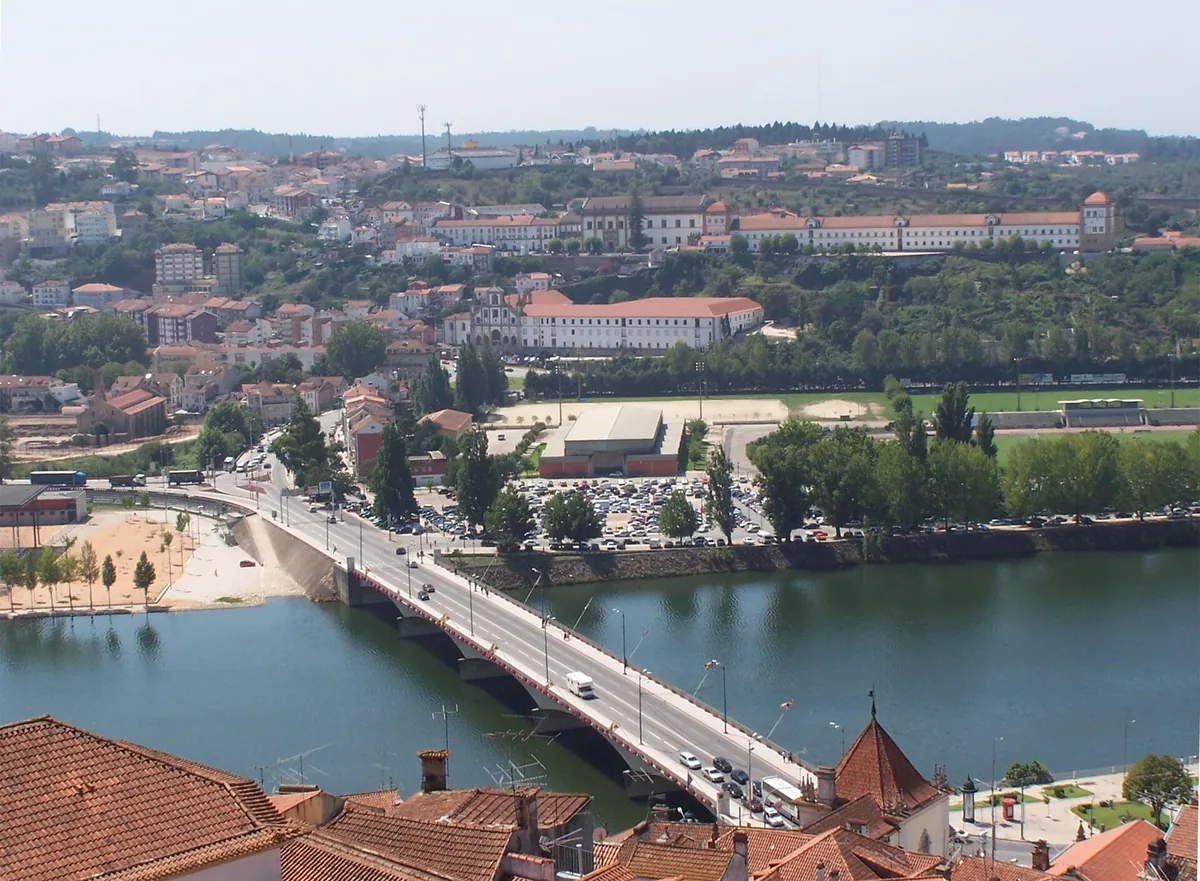
Santa Clara
The left bank across the Mondego: a drowned Gothic monastery, a queen buried twice on the ridge above it, and the only side of Coimbra a car forgives.
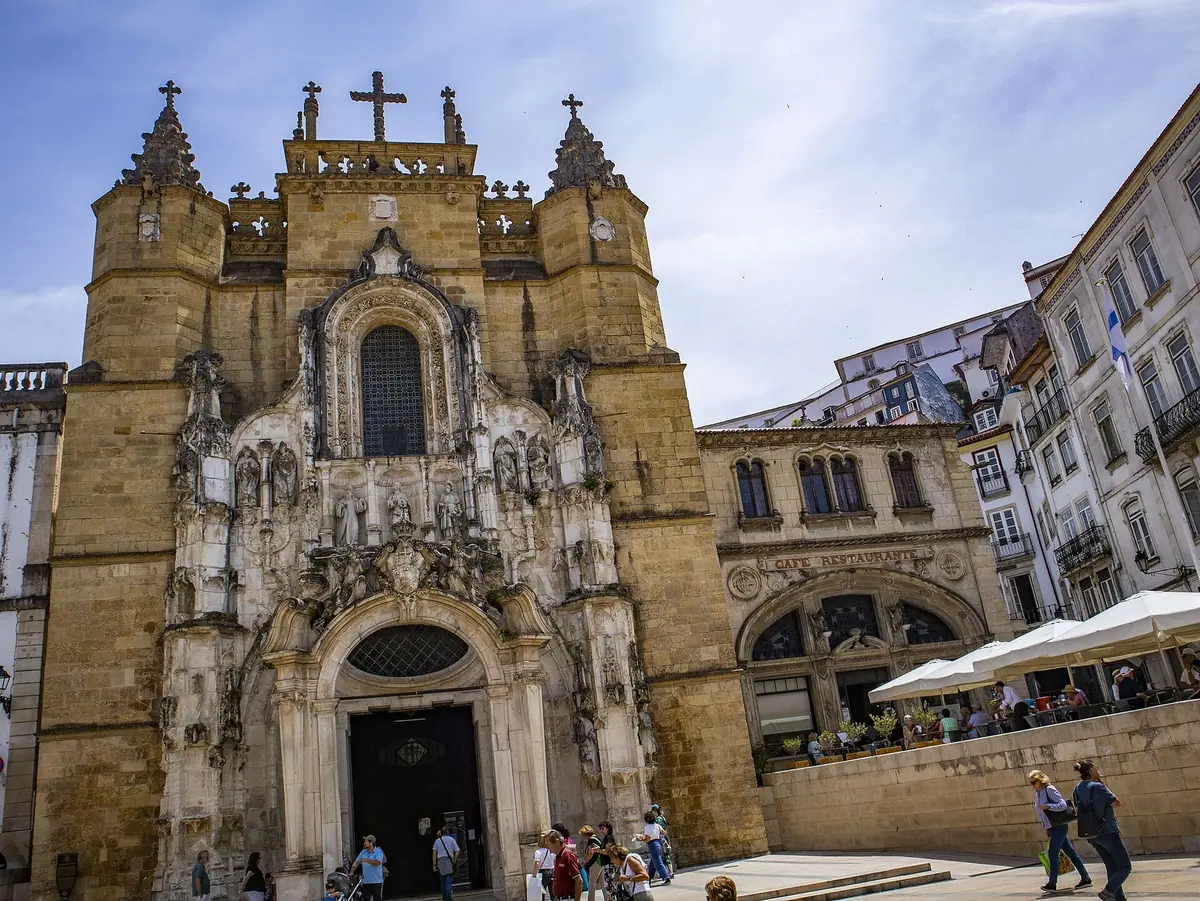
Santa Cruz
One square doing the work of a quarter: Portugal’s first two kings in a free nave, a café inside the old church, and Rua da Sofia heading north.
Restaurants
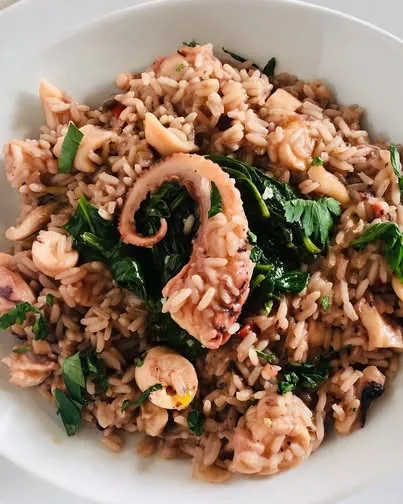
A Cozinha da Maria
One named writer calls its chanfana the best she has eaten. Two reputable sources put the restaurant on two different streets, so read this before you walk.

Zé Manel dos Ossos
Seven tables in a blind alley, walls papered with customers’ notes, and a queue by noon. Thirty years of the same menu and no reservations worth the name.
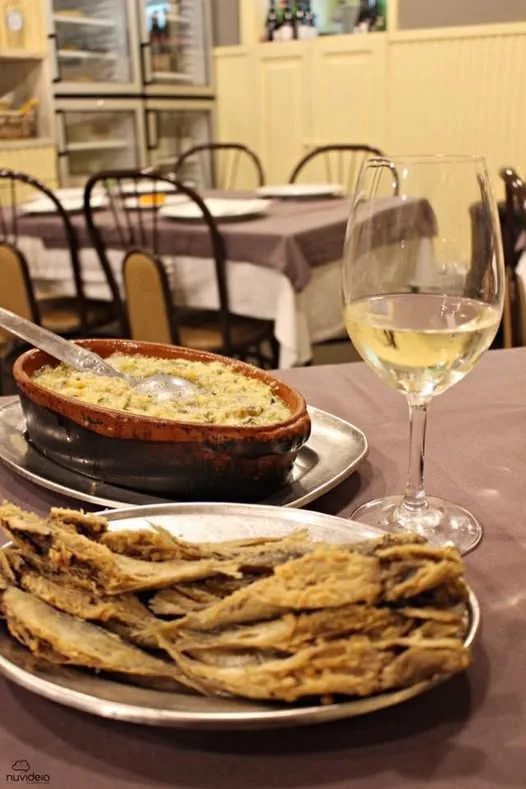
Zé Neto
A Rua das Azeiteiras tasca that the city ties to chanfana, though nobody has published it. What is on the record, and the question to ask at the door.
Bars
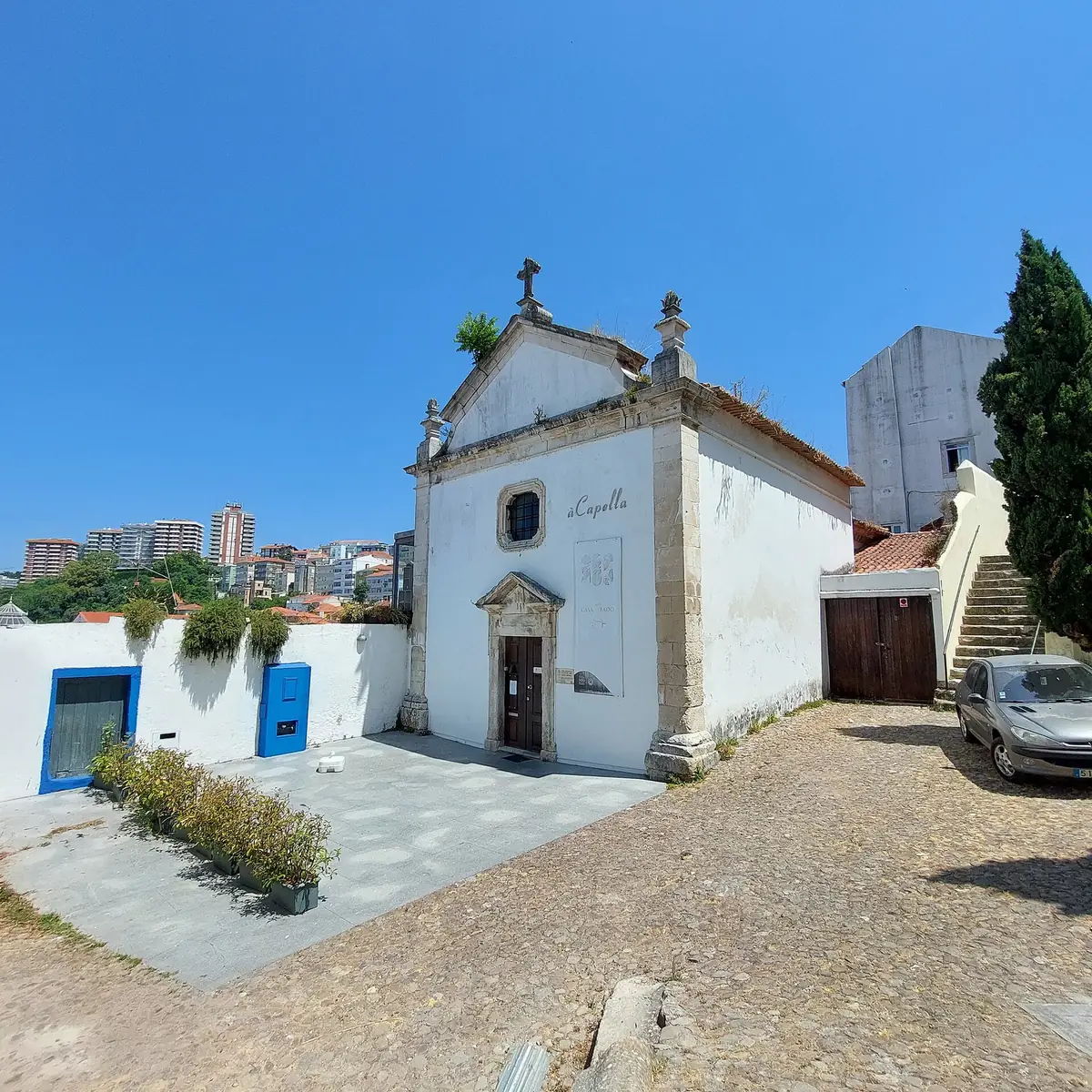
À Capella
Coimbra fado three times a night inside a chapel built in 1364. The times and the cover charge come from one undated source — confirm before you go.
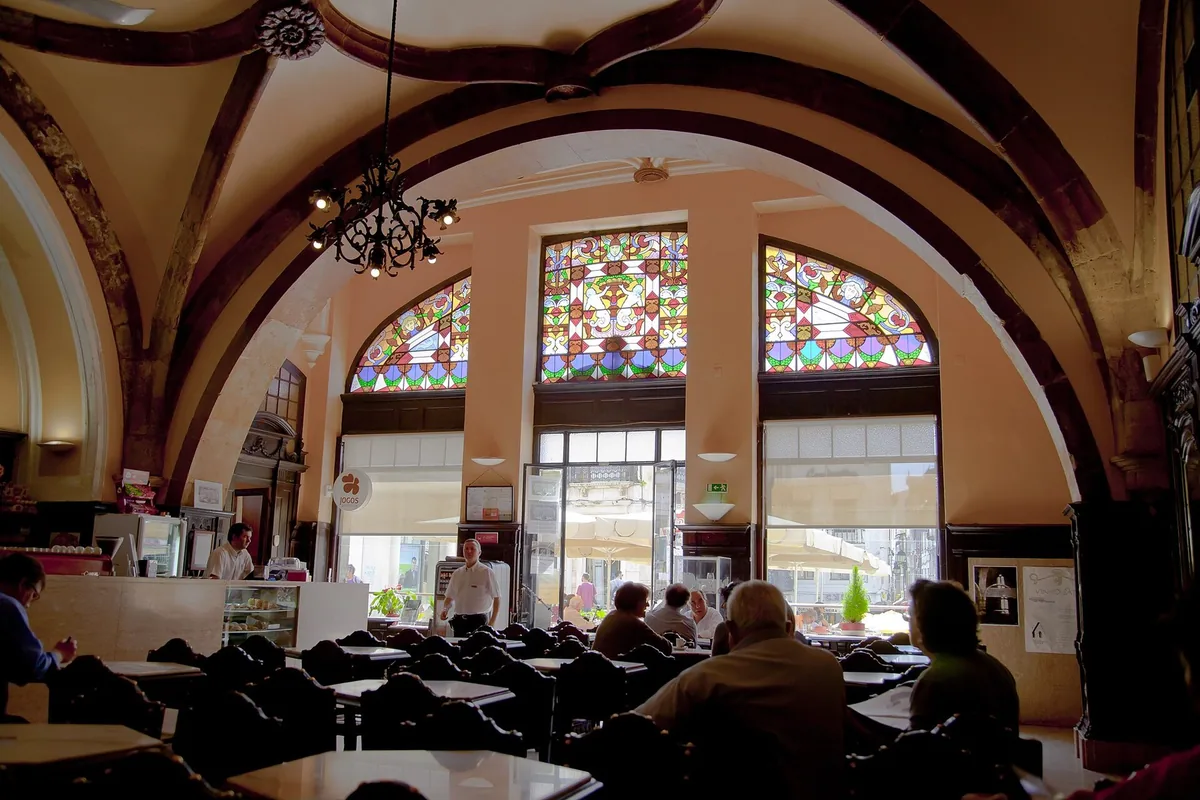
Café Santa Cruz
A café inside a church deconsecrated in 1834 and converted in 1923, with free Coimbra fado twice a day and no published opening hours of its own.
Hotels
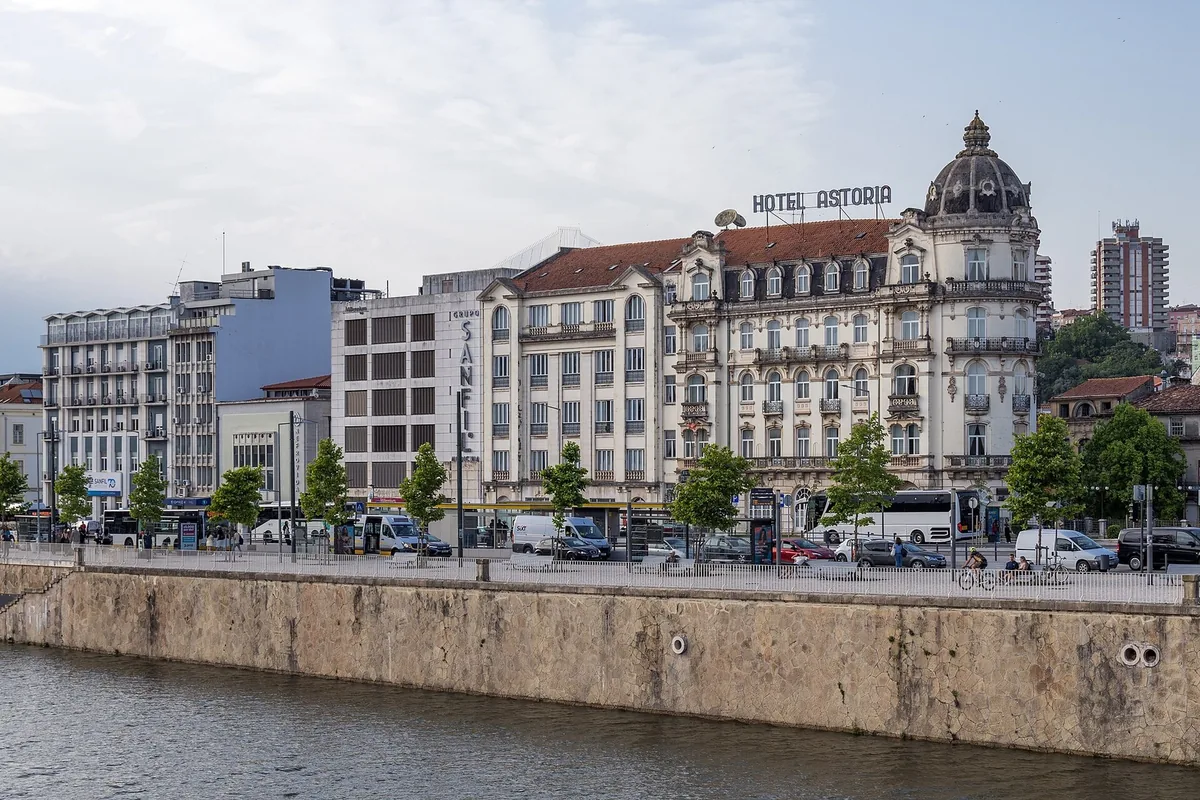
Hotel Astória
The flat-iron landmark on the riverfront avenue, designed in 1919 by Adães Bermudes and opened in 1926. Art Nouveau, not art deco, and flat ground all round.
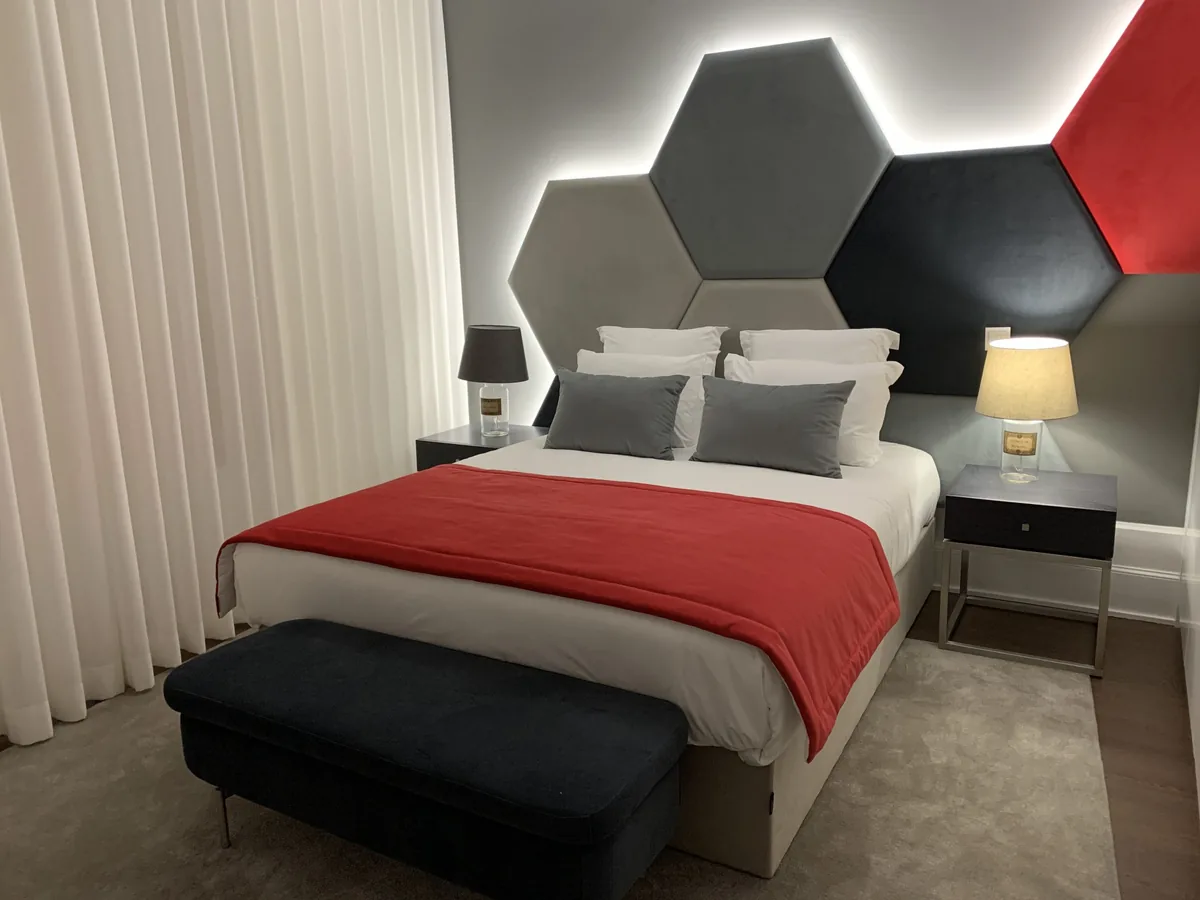
Pharmacia GuestHouse
A lower-town guesthouse in a former chemist’s shop, with the original pharmacy fittings kept. One named writer is the entire published record.
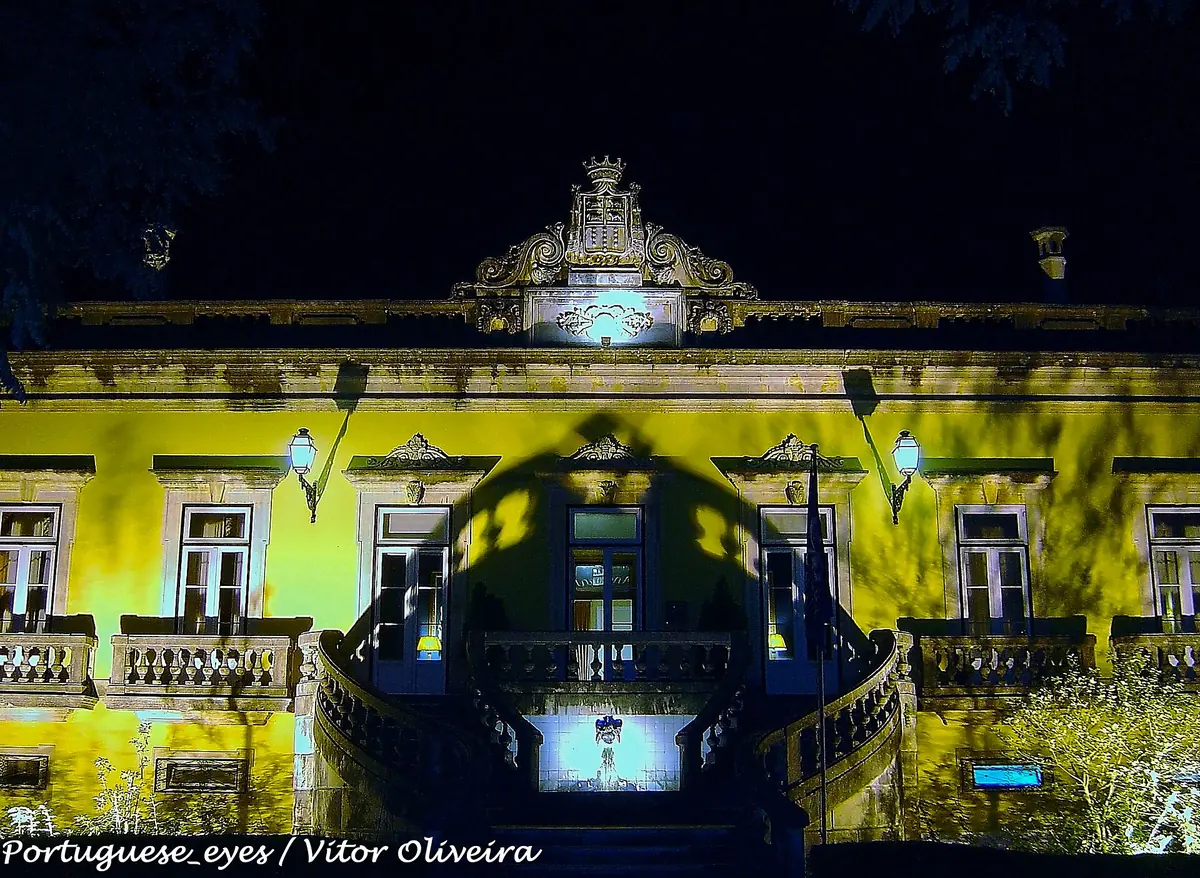
Hotel Quinta das Lágrimas
An eighteenth-century palace on the left bank, in grounds the hotel calls twelve acres, with a spa, golf and the most ambitious kitchen in Coimbra downstairs.
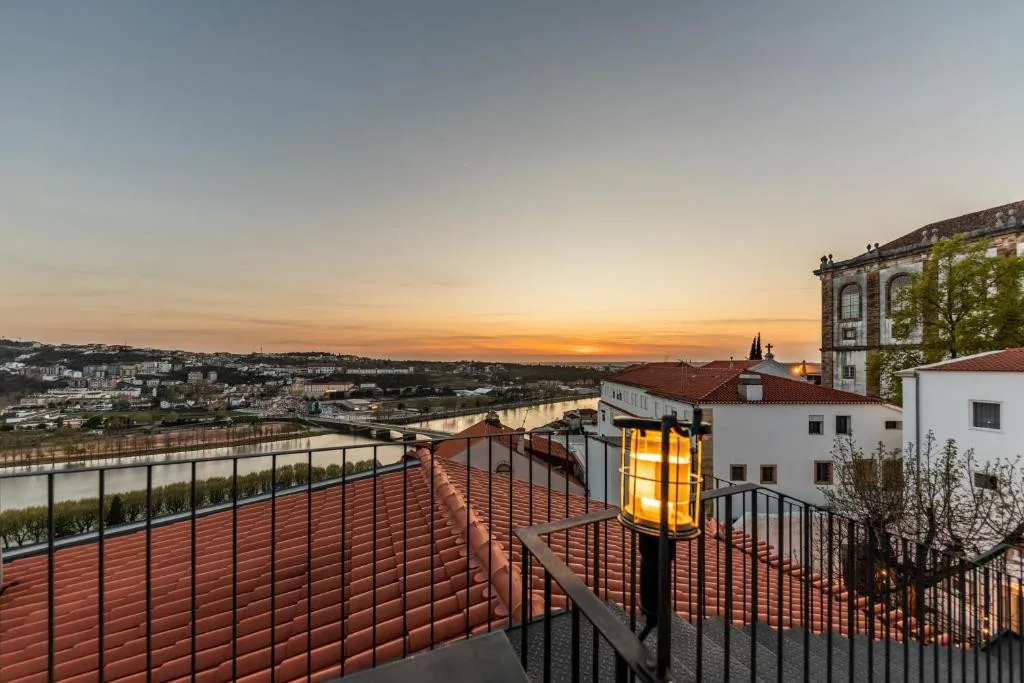
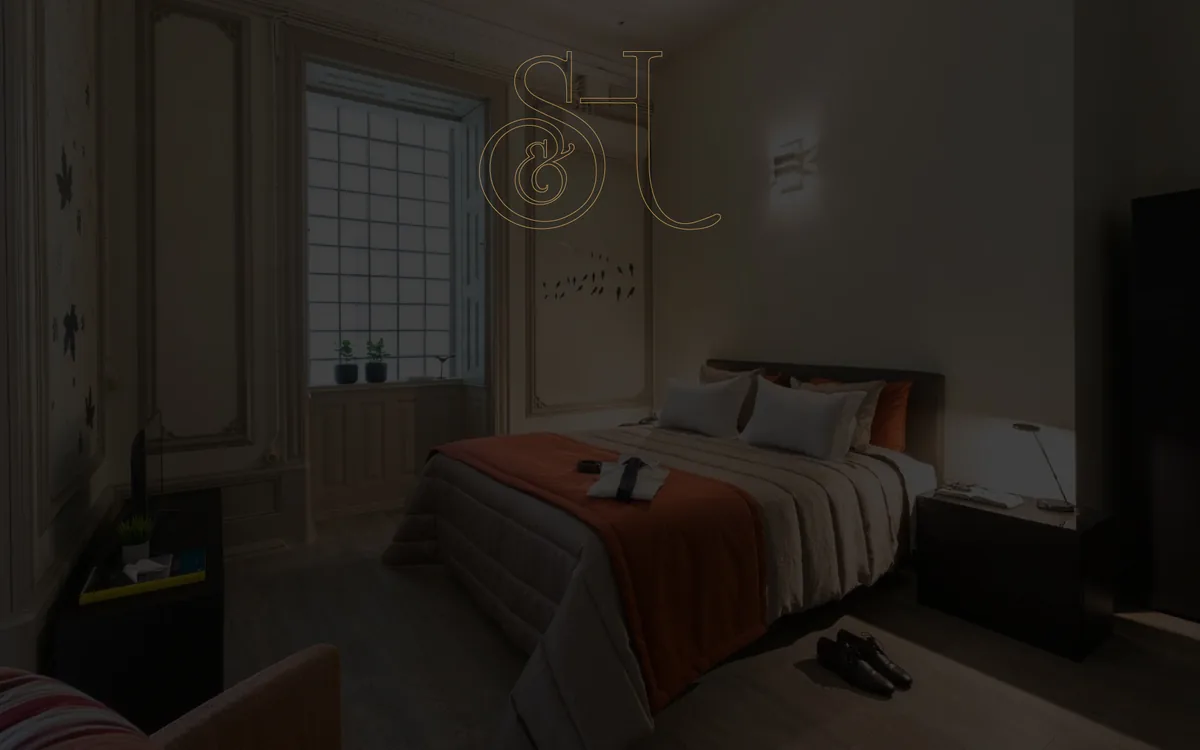
Sapientia Boutique Hotel
A boutique address inside the university quarter, with a rooftop facing the Joanina Library and the tower. Its hours and star rating are not published.
Serenata Hostel
Dorms, doubles and suites on the Old Cathedral square, in a restored building that was once a maternity institute and later Coimbra’s music conservatory.
Dishes
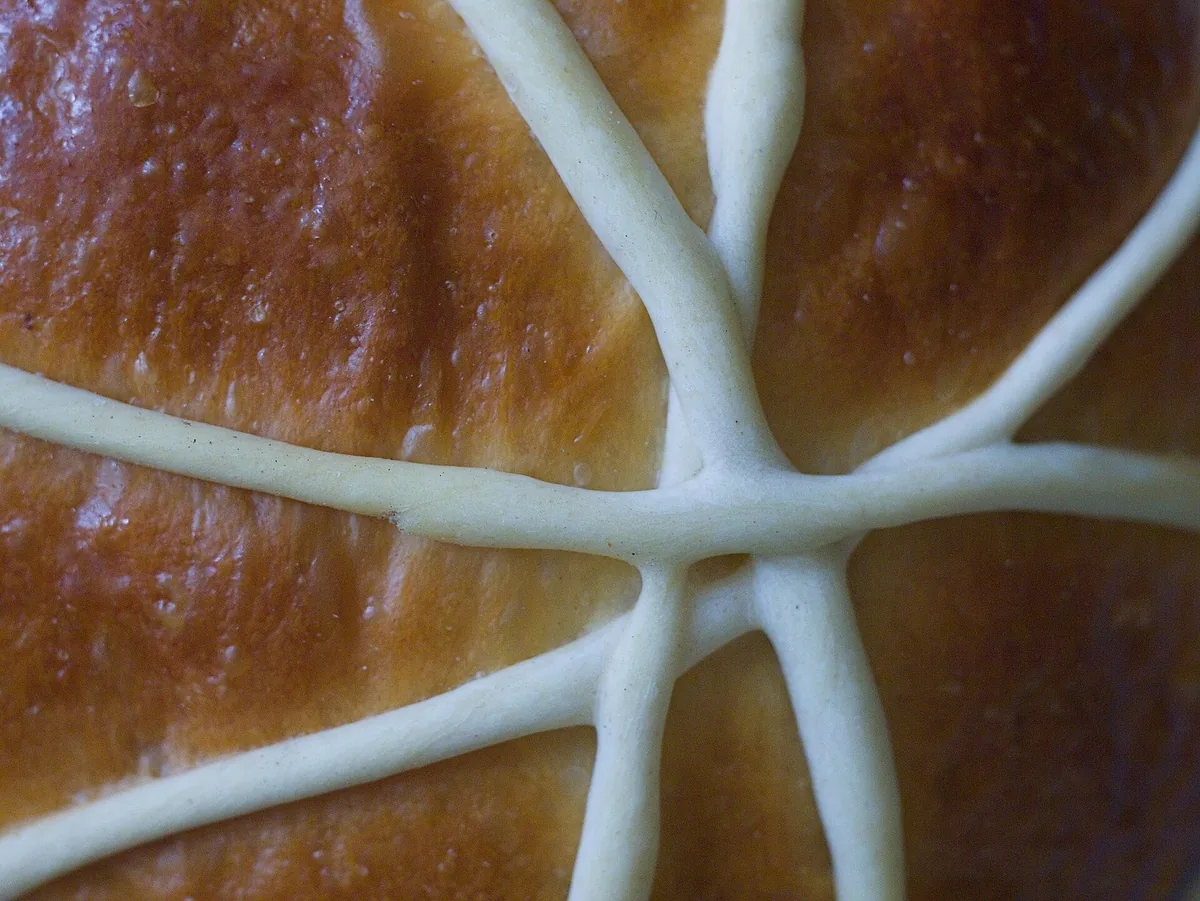
Arrufadas de Coimbra
A round, light sweet bread scented with cinnamon and aniseed, and one of only two sweets in this guide that genuinely originate in Coimbra itself.
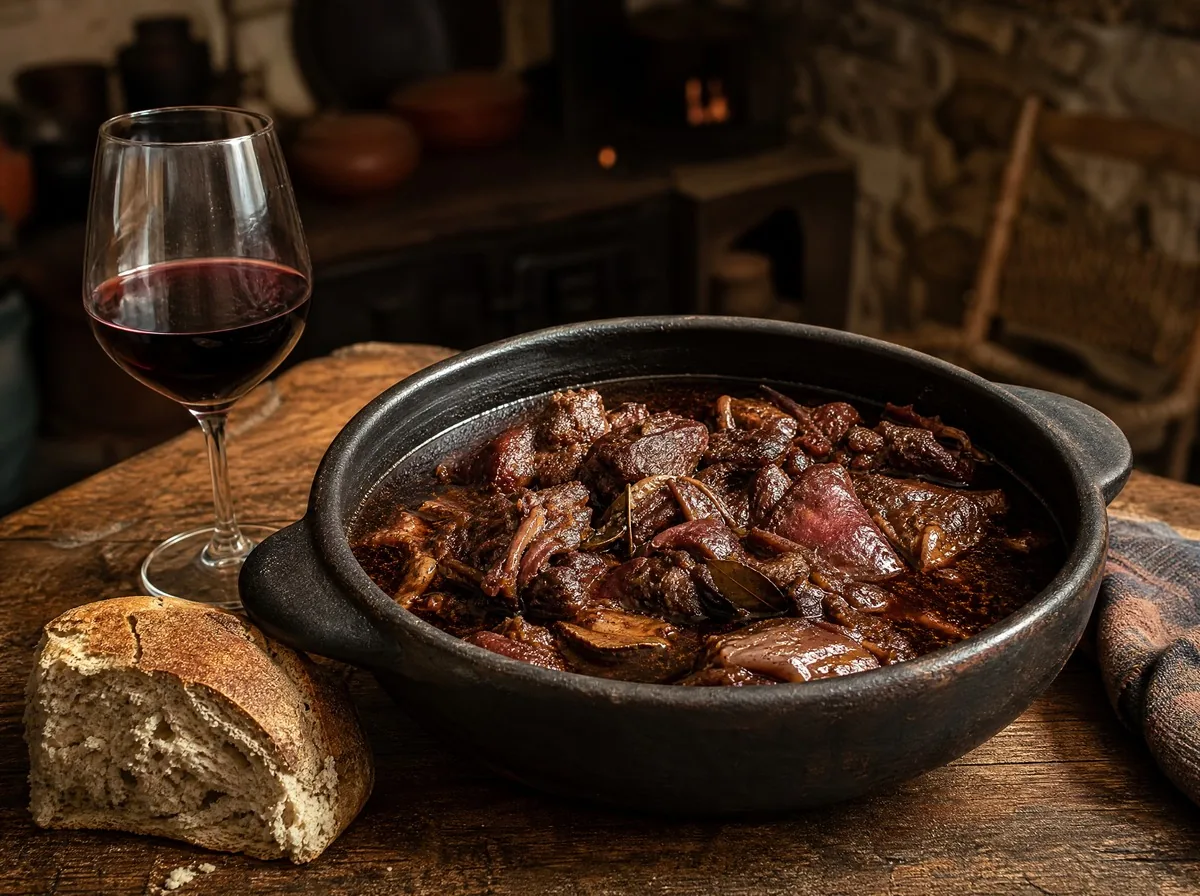
Chanfana
Old goat braised for hours in red wine in a sealed clay pot. From the hill country south of Coimbra, claimed by three towns, and not a city dish.
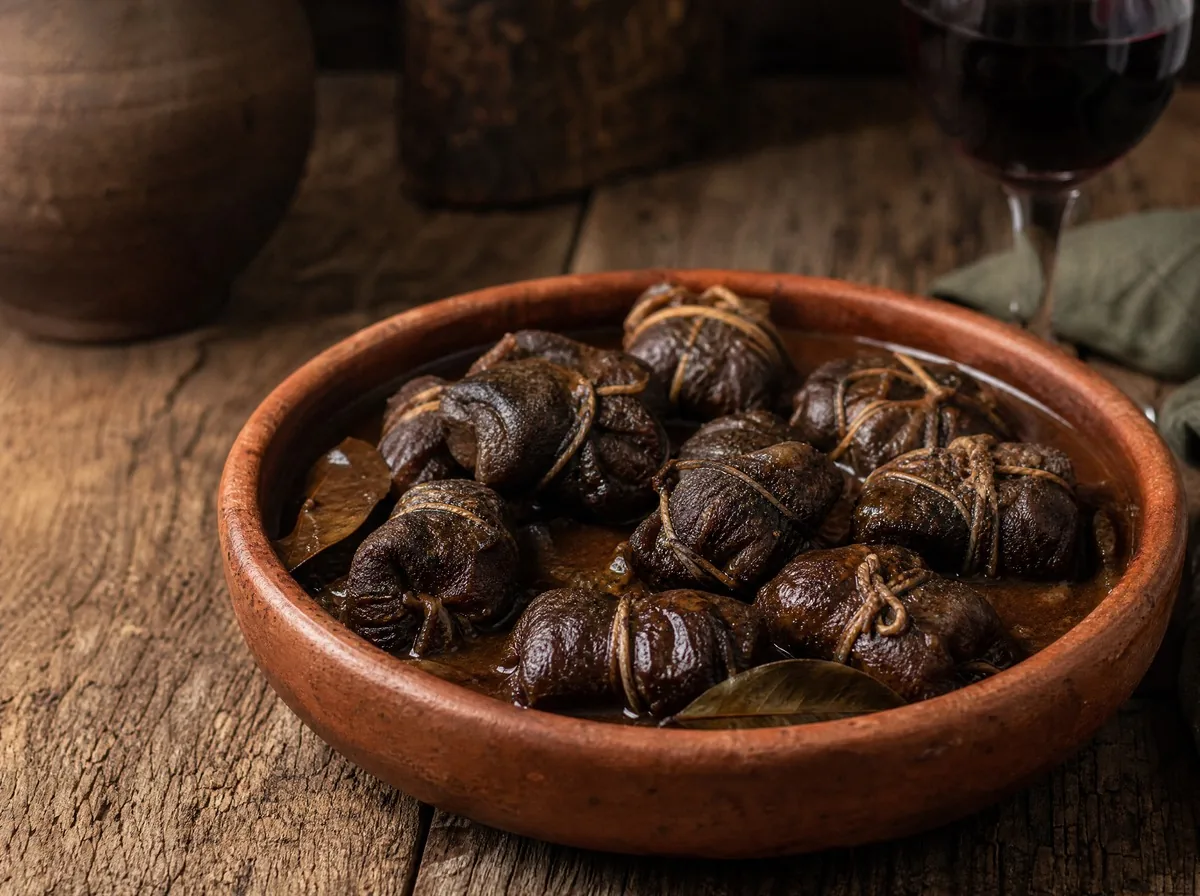
Negalhos
A tripe dish from the hills south of Coimbra, made from the same goat as chanfana. The precise definition is missing: the municipal page that held it is gone.
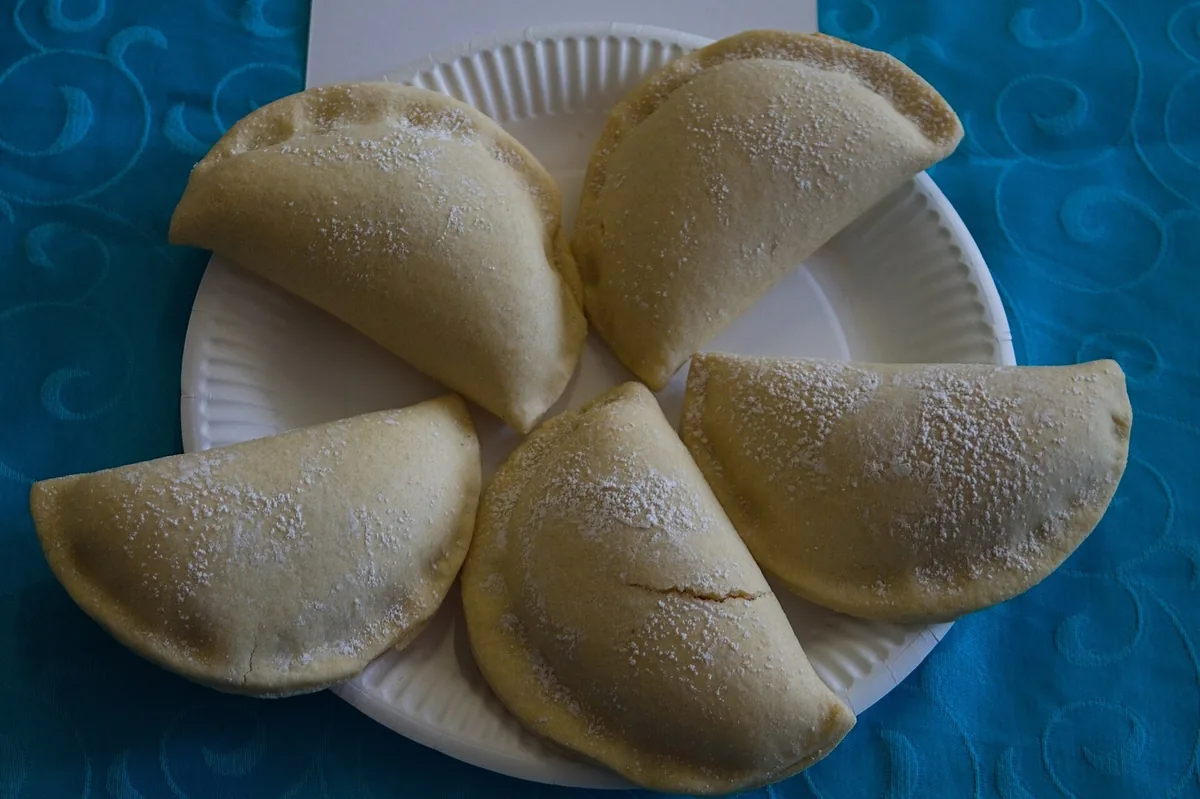
Pastéis de Santa Clara
Half-moon pastries filled with egg sweet and ground almond, from the Convento de Santa Clara. One of only two sweets that genuinely originate in Coimbra.
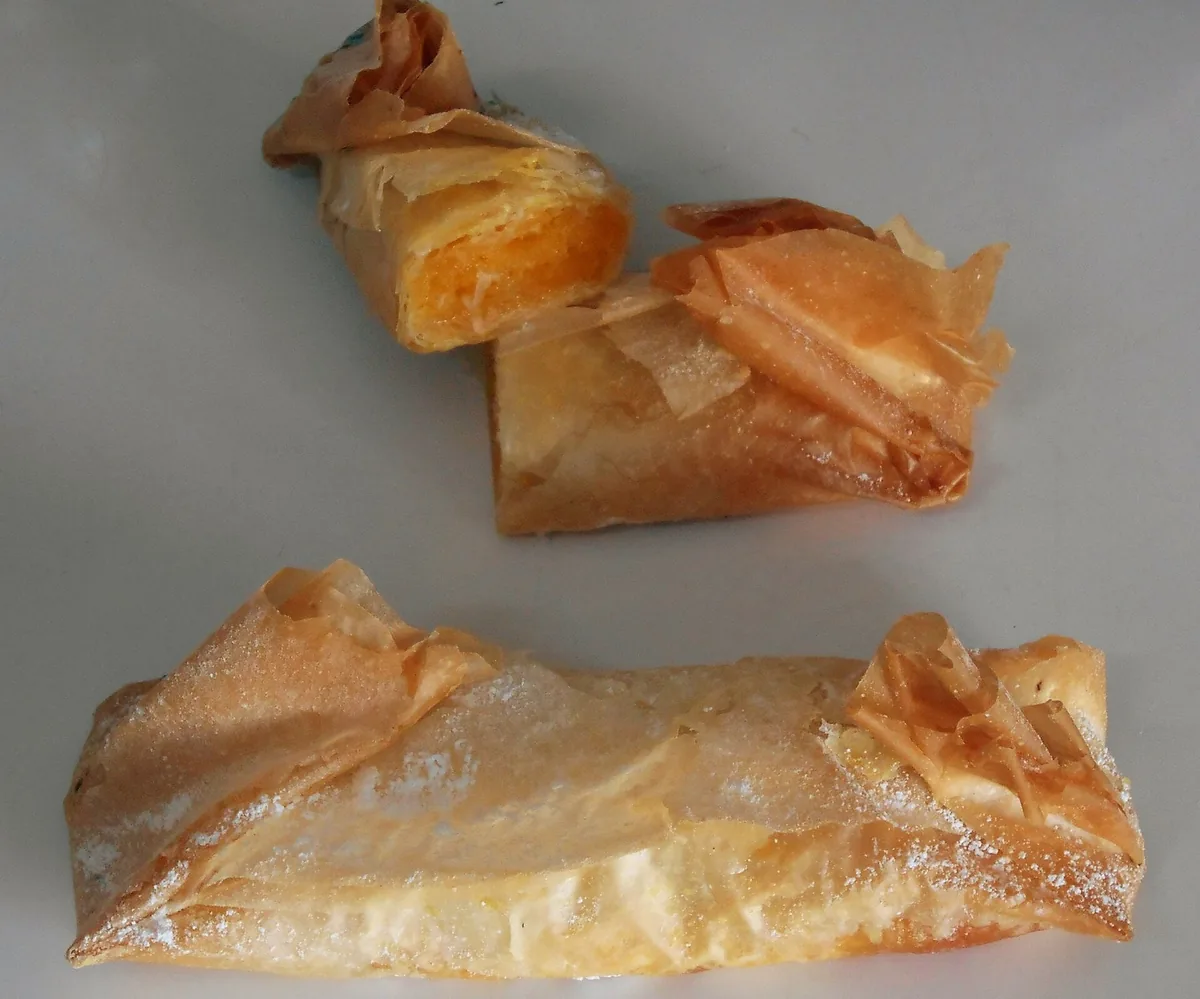
Pastel de Tentúgal
Dough stretched to between 0.06 and 0.15 mm, rolled around egg and sugar syrup. IGP protected, from Tentúgal in Montemor-o-Velho, twenty kilometres west.

Queijo Rabaçal
A protected sheep-and-goat cheese from an 850 square-kilometre zone south of Coimbra. The city itself is outside the DOP area, and the milk ratio is unpublished.
Activities & experiences
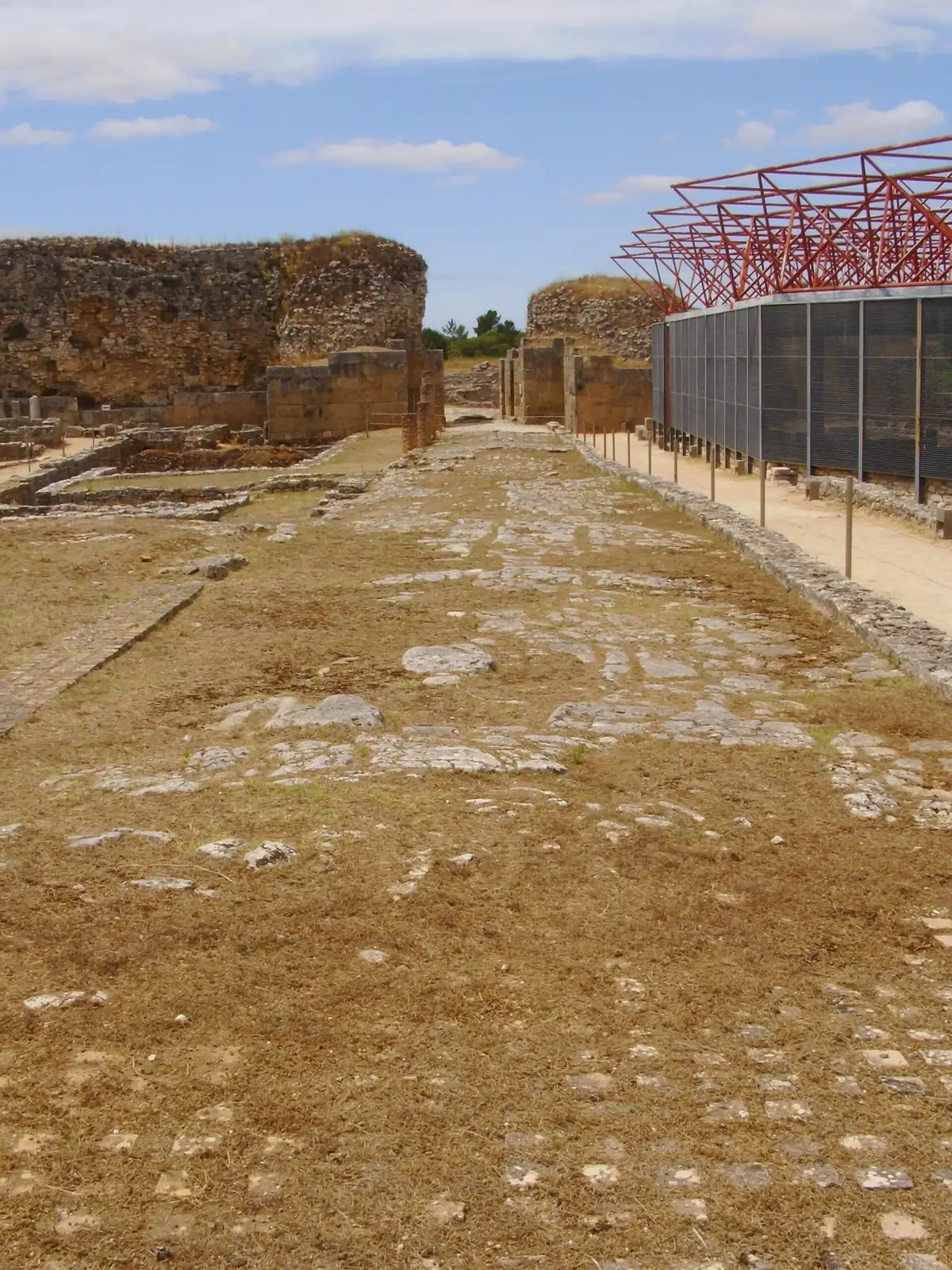 Guided tour
Conímbriga Guided Tour
The ruins cost 10 EUR and the bus runs three times a day. A guided tour is really a transport decision, and for some trips it is the right one.
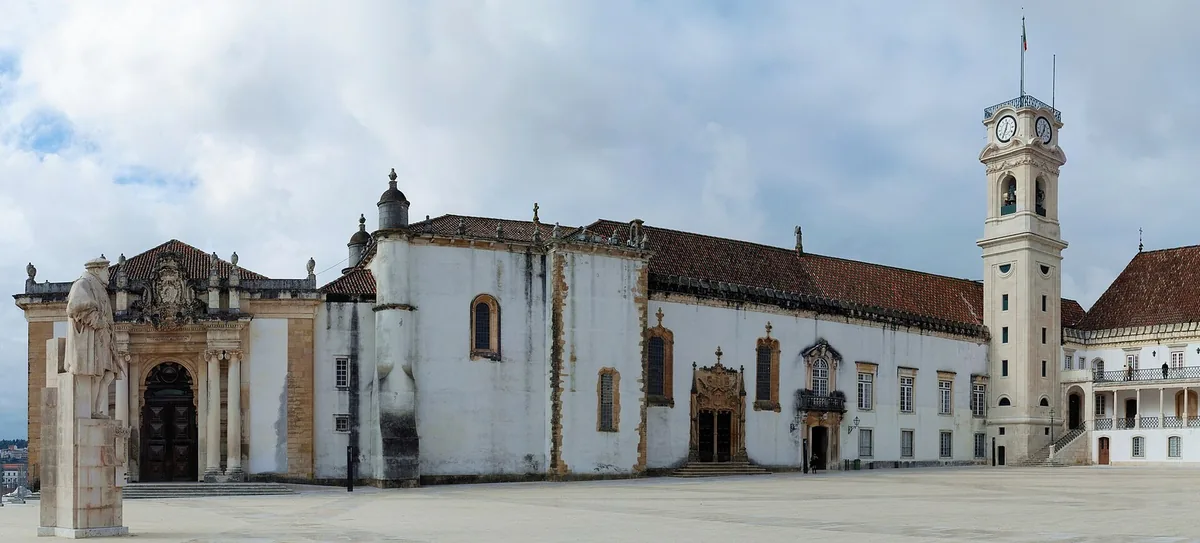 Guided tour
University of Coimbra Walking Tour
The university sells its own 1h30 guided tour at 25 EUR; operators sell walking tours with tickets. What each covers and which is worth your morning.
Festivals & events
Walks
Guides
Discover
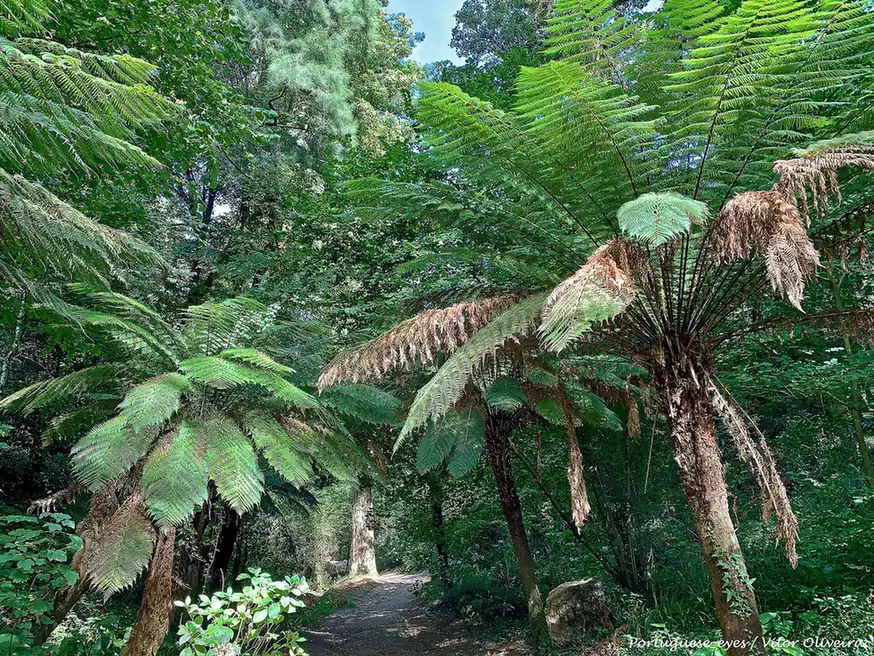
Buçaco Forest
A walled Carmelite forest where the entrance fee is levied on your car, not your head count. Free on foot, 7 EUR to drive in, whoever is inside.

Discover
Coimbra Day Trip from Lisbon
It works, on one condition: the library slot is fixed and everything else bends around it. Book that first, then the train, then decide what you are giving up.
Discover
Coimbra Day Trip from Porto
The easier of the two mainline day trips, and the one most often sold as half a tour. What to book, what fits, and which listings are really Fátima trips.
Discover
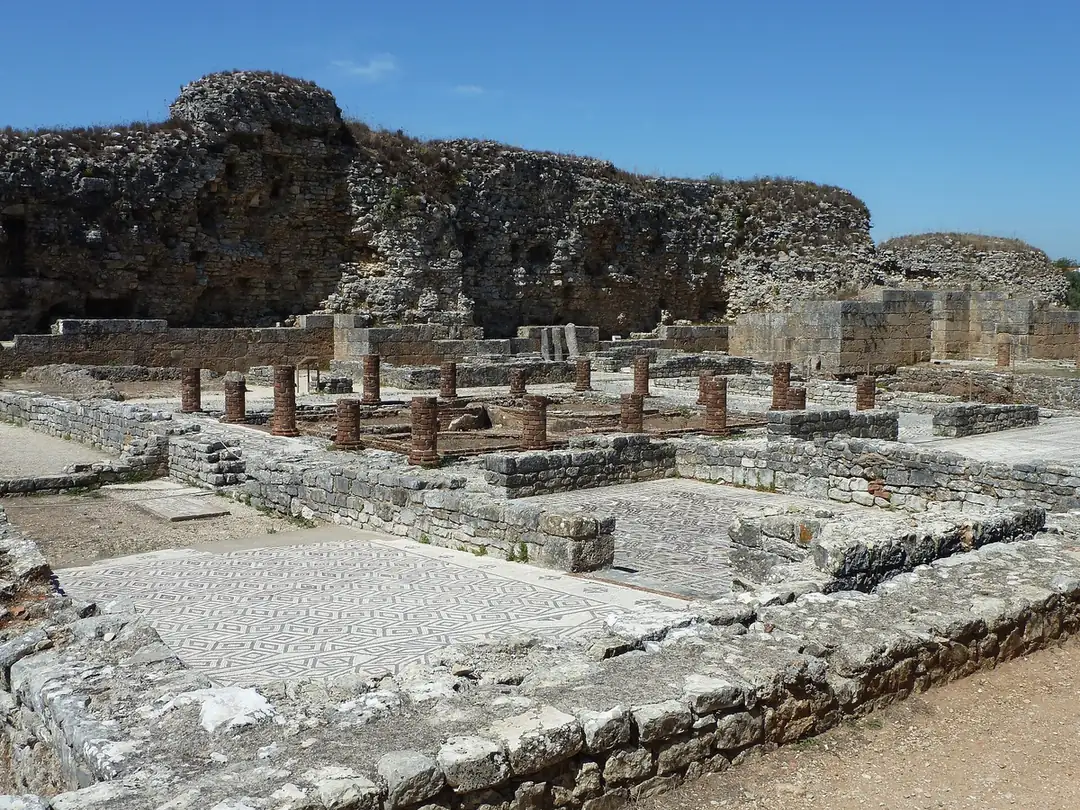
Conímbriga
Mosaics in situ and working water gardens, reachable on three buses a day. Get the 09:00 out and the 17:55 back and the site is yours all morning.
Discover
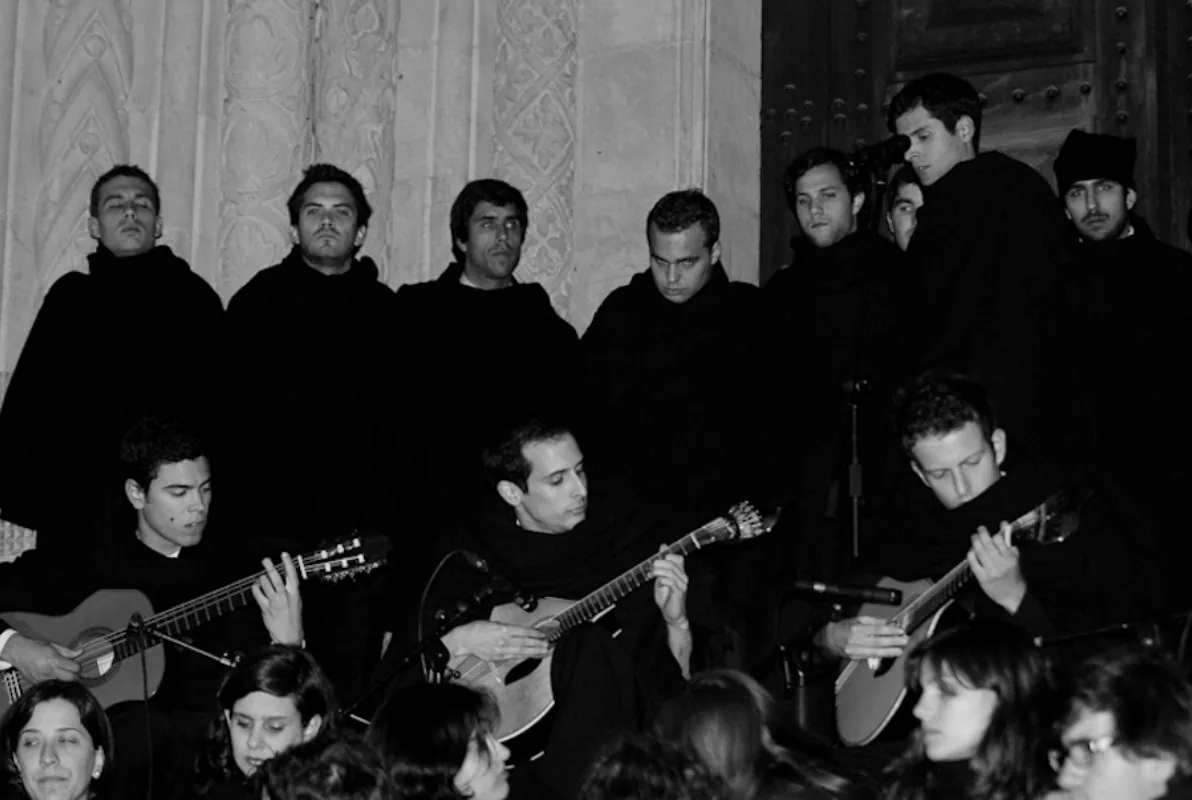
Fado de Coimbra
Not Lisbon fado in a different city: a student serenade tradition, sung by men, on a teardrop guitar tuned a tone lower. Free twice a day at one address, ticketed at another.
Discover
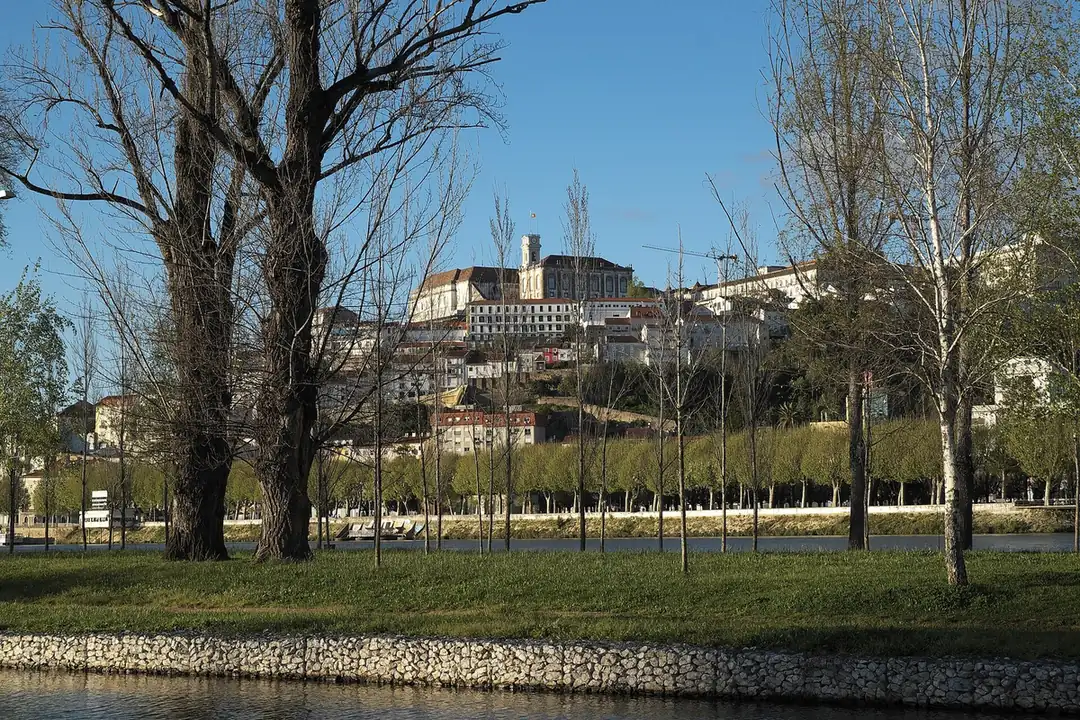
Is Coimbra Worth Visiting
Worth one or two days, not five. Three headline sights are closed with no reopening dates, the city is steep, and the case for coming is a working university rather than a skyline.
Discover
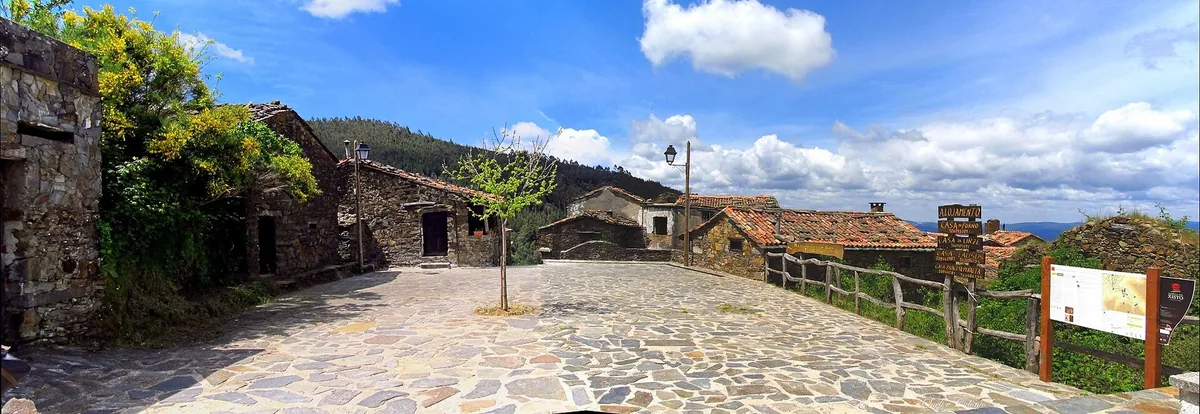
Lousã and the Schist Villages
A railway closed in 2010, a busway opened on its alignment in 2025, and the last section reopened this month. Lousã is a public-transport day trip again.
Discover
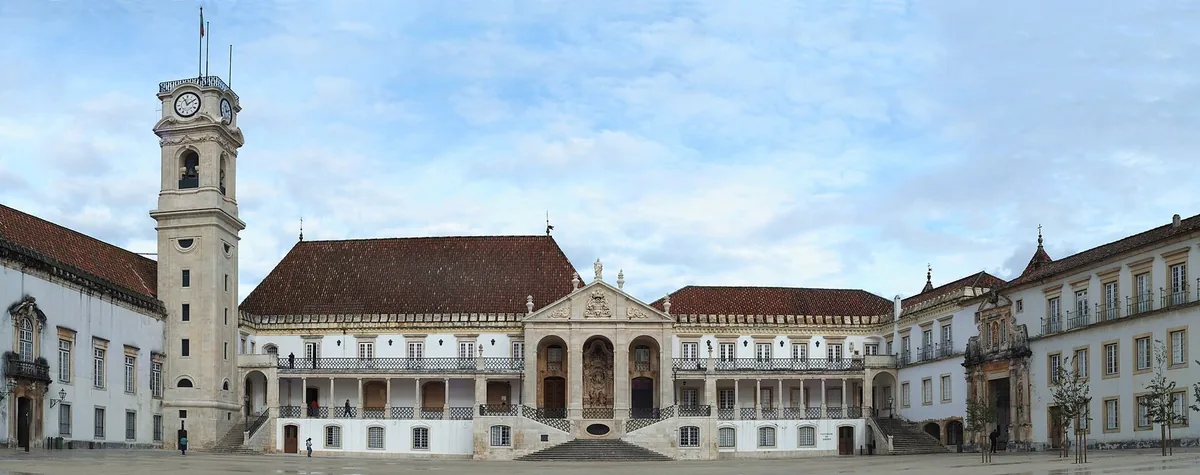
Things to Do in Coimbra
A ranked, honest run through what Coimbra offers: what to book first, what is free, what is closed, and the one paid attraction we would not buy.
Discover
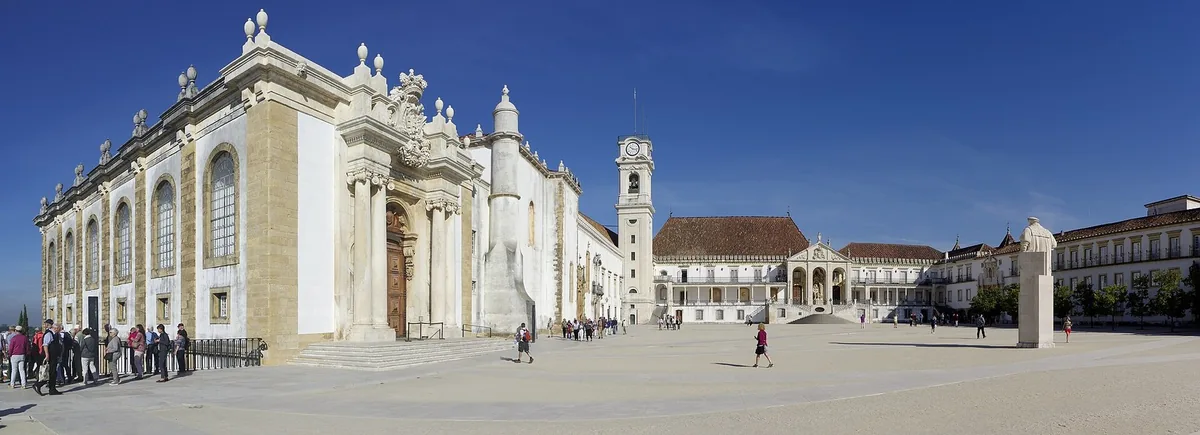
Visiting the University of Coimbra
Six programmes, one fixed timed slot, a photography ban on the famous room and a tower that is shut. What each ticket opens and the order to do it in.
Discover
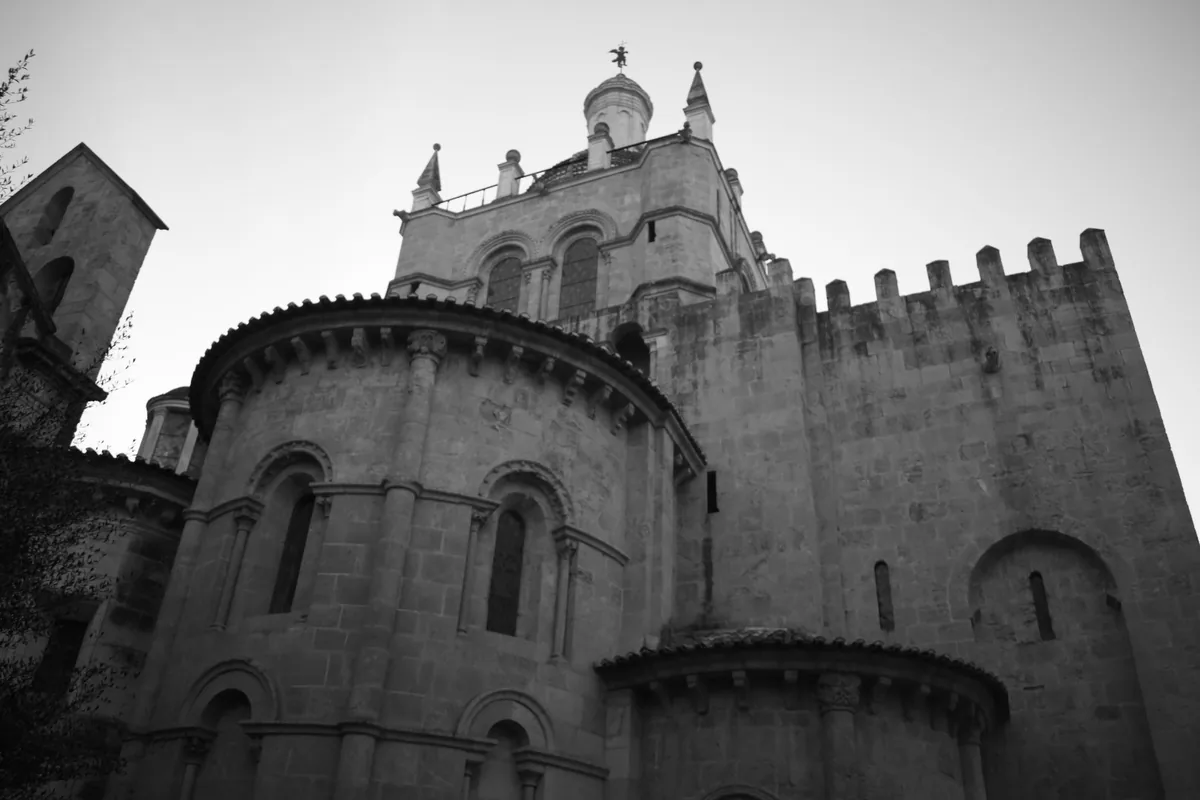
What to See in Coimbra
Every ticketed sight in Coimbra with its real price and hours, the free ones most guides skip, and the three headline monuments currently shut with no reopening dates.
Planning
Plan your trip
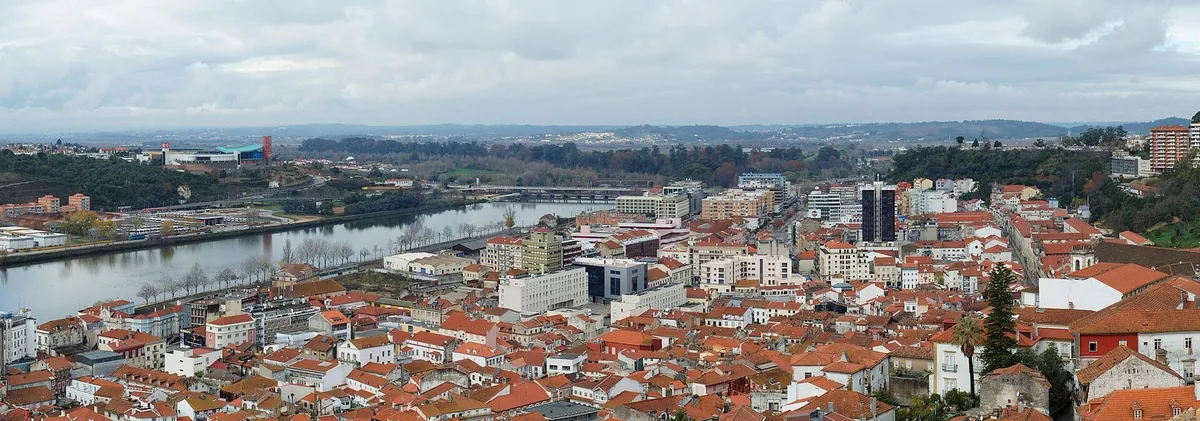
Coimbra in July
The city’s own month. Festas da Cidade every year, the Queen Saint’s processions only in even ones, and a municipal holiday that shuts the state monuments.
Plan your trip
Coimbra in June
The month after the festival. Summer hours arrive at the cathedral and the forest, the students thin out, and Coimbra is briefly a normal town again.
Plan your trip
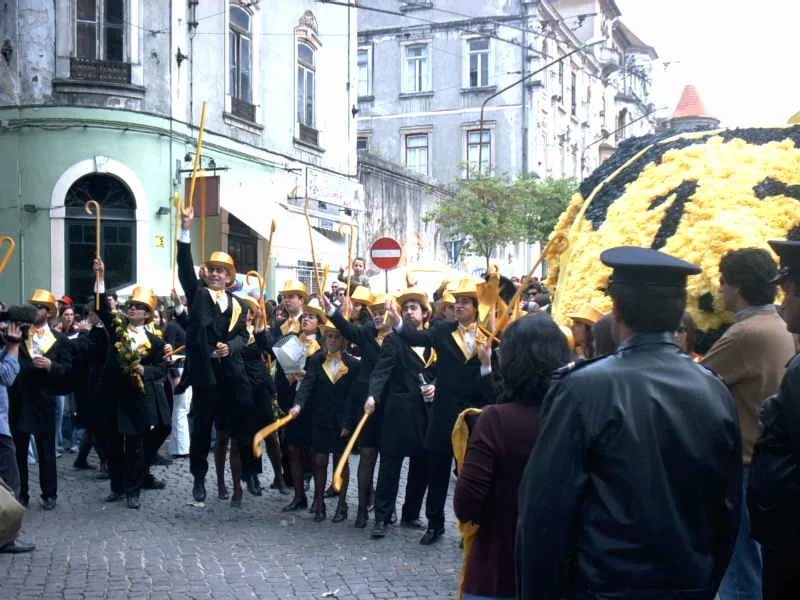
Coimbra in May
The month the student city takes over. Eight days of Queima das Fitas, a midnight serenade at the Old Cathedral, and a parade day that closes the UNESCO circuit.
Plan your trip
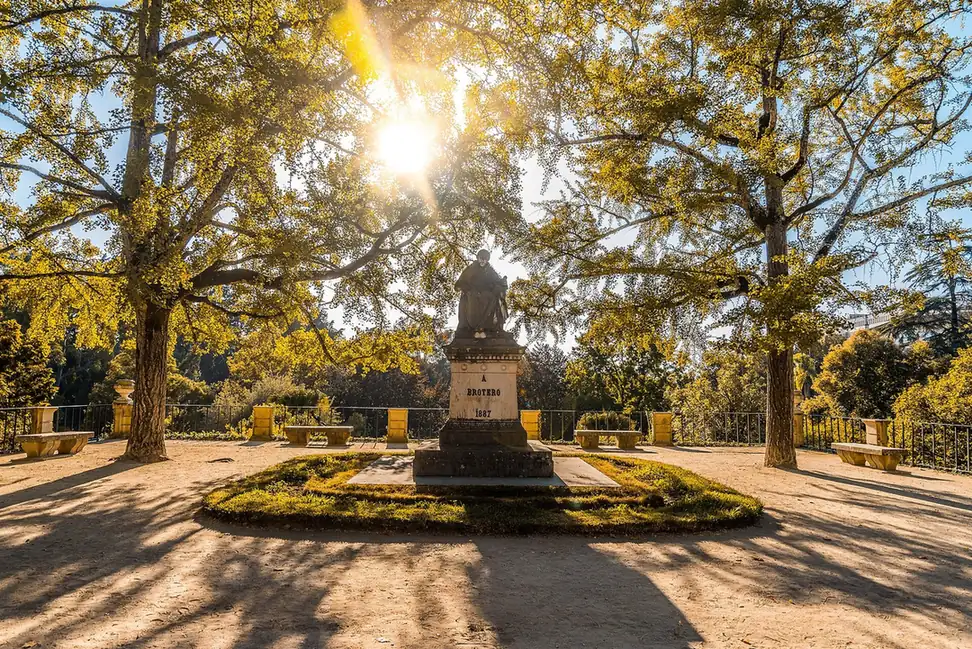
Coimbra in October
Winter hours arrive on the 1st, the Latada closes the UNESCO circuit on the 4th, and a family combined ticket appears that exists in only two months of the year.
Plan your trip
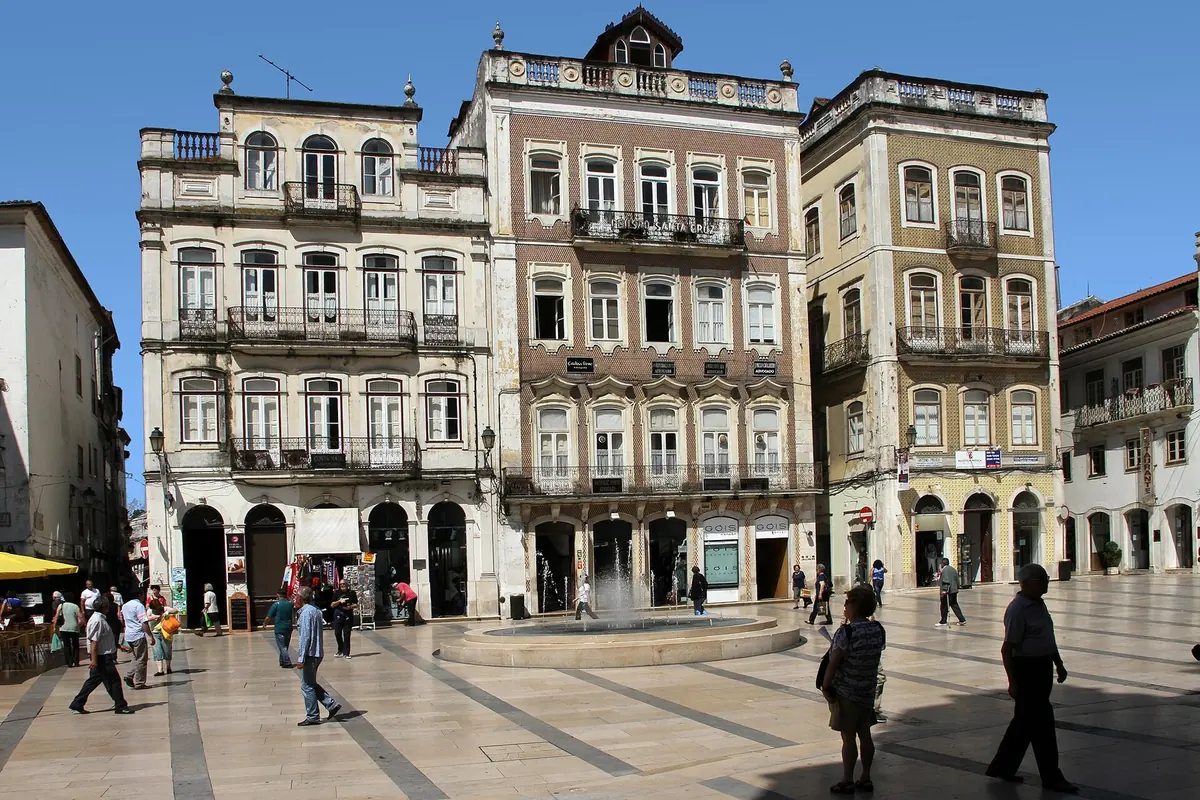
Coimbra in September
The month everything changed. A new transport network from the 10th, summer hours to the 30th, and the student year restarting with the Latada.
Plan your trip
Coimbra Practical Information
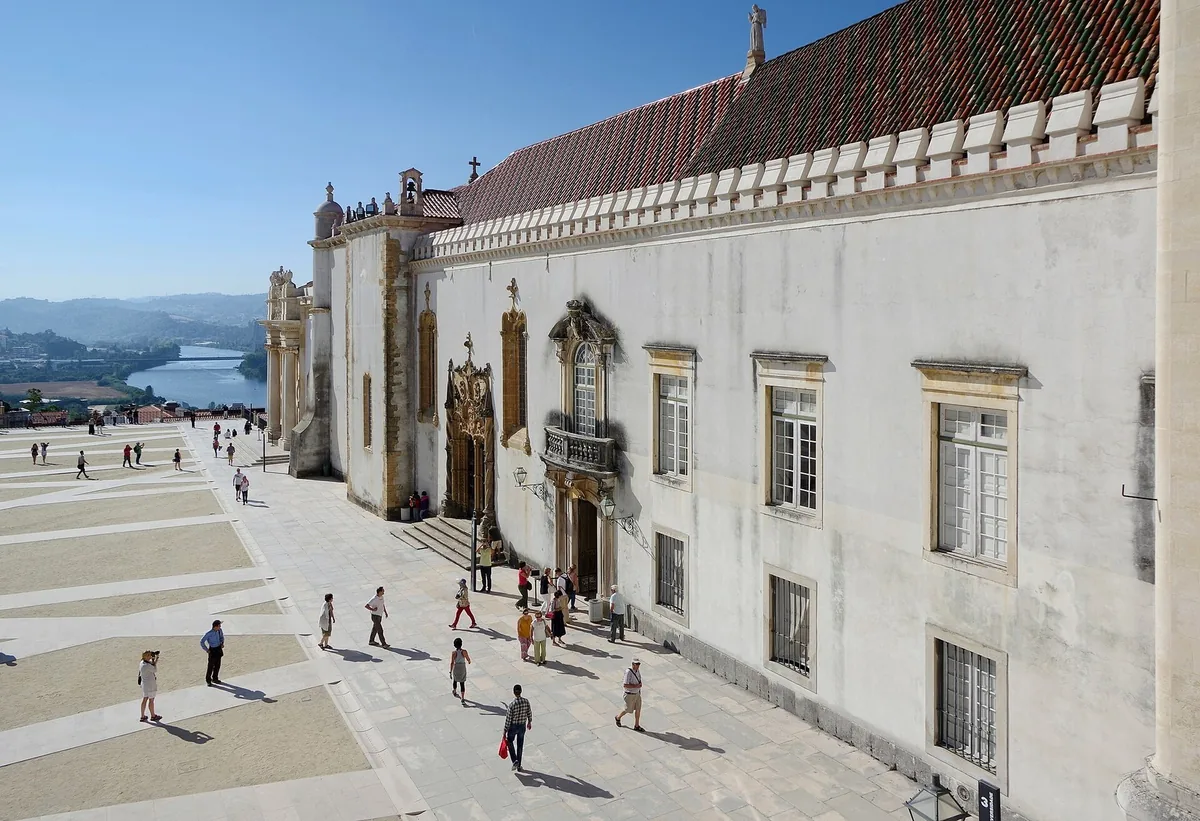
Opening-hour traps, the university ticket tiers, the photography ban in the Joanina, and an honest list of the numbers no official source publishes.

Plan your trip
When to Visit Coimbra
This is a university town, so the calendar that matters is the academic one. When the festivals fall, what they close, and the three sights shut indefinitely.
Itineraries
Itineraries
Coimbra in One Day
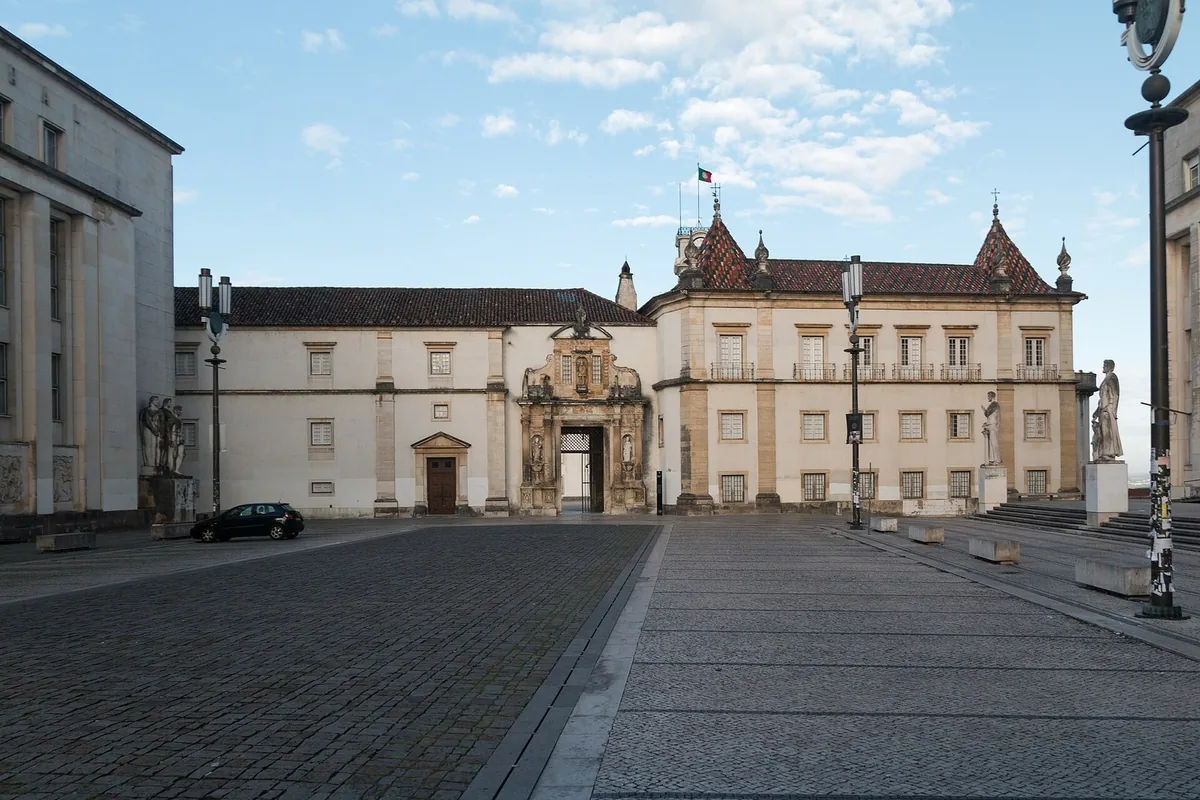
The university circuit, both cathedrals, Santa Cruz and an 18:00 fado show, in walking order and built around the one timed ticket you cannot move.
Itineraries
Coimbra in Two Days
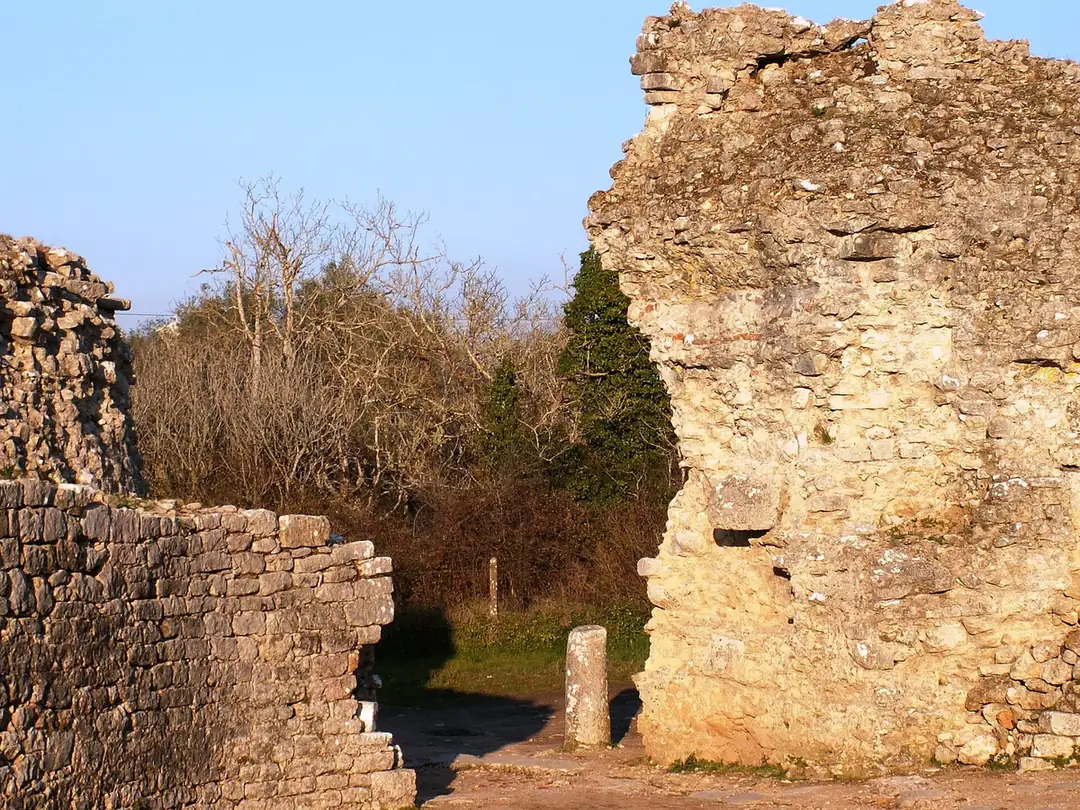
Day one is the city on foot. Day two is the best-preserved Roman town in Portugal, on a bus that runs three times a day and will leave without you.
Best-of lists
Articles
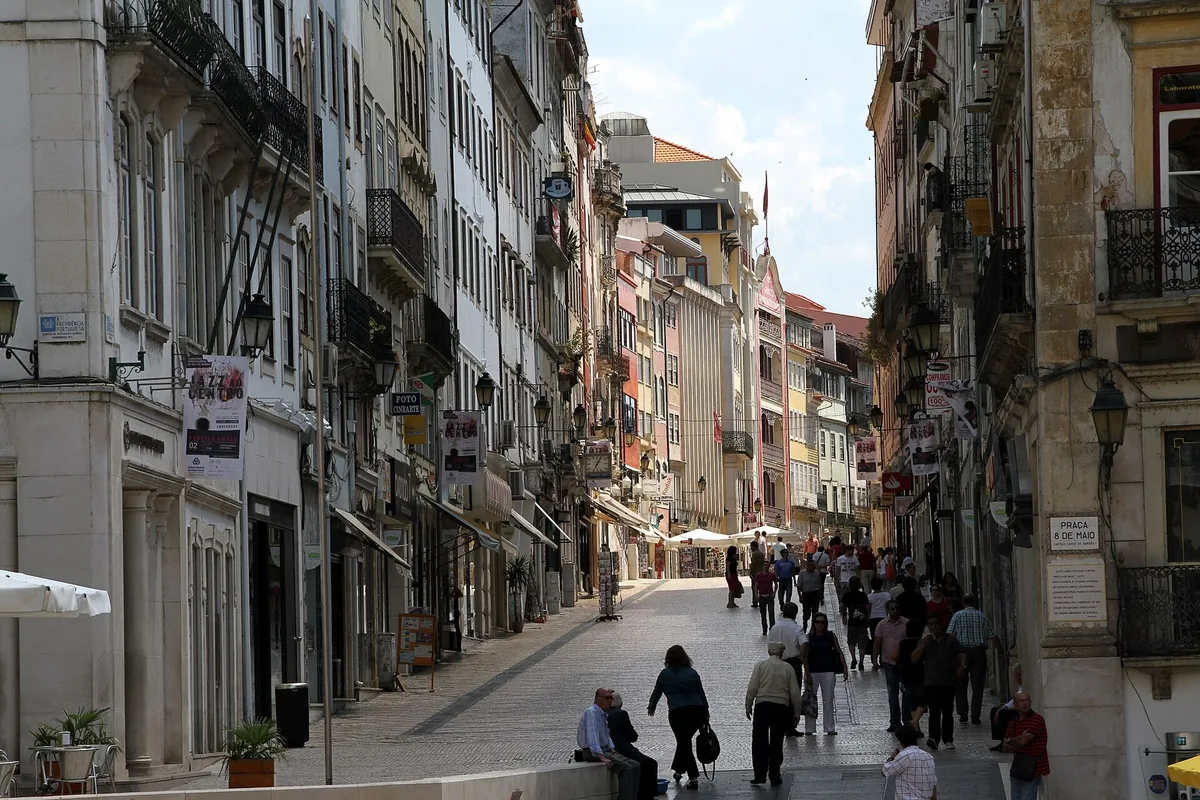
How to Pronounce Coimbra
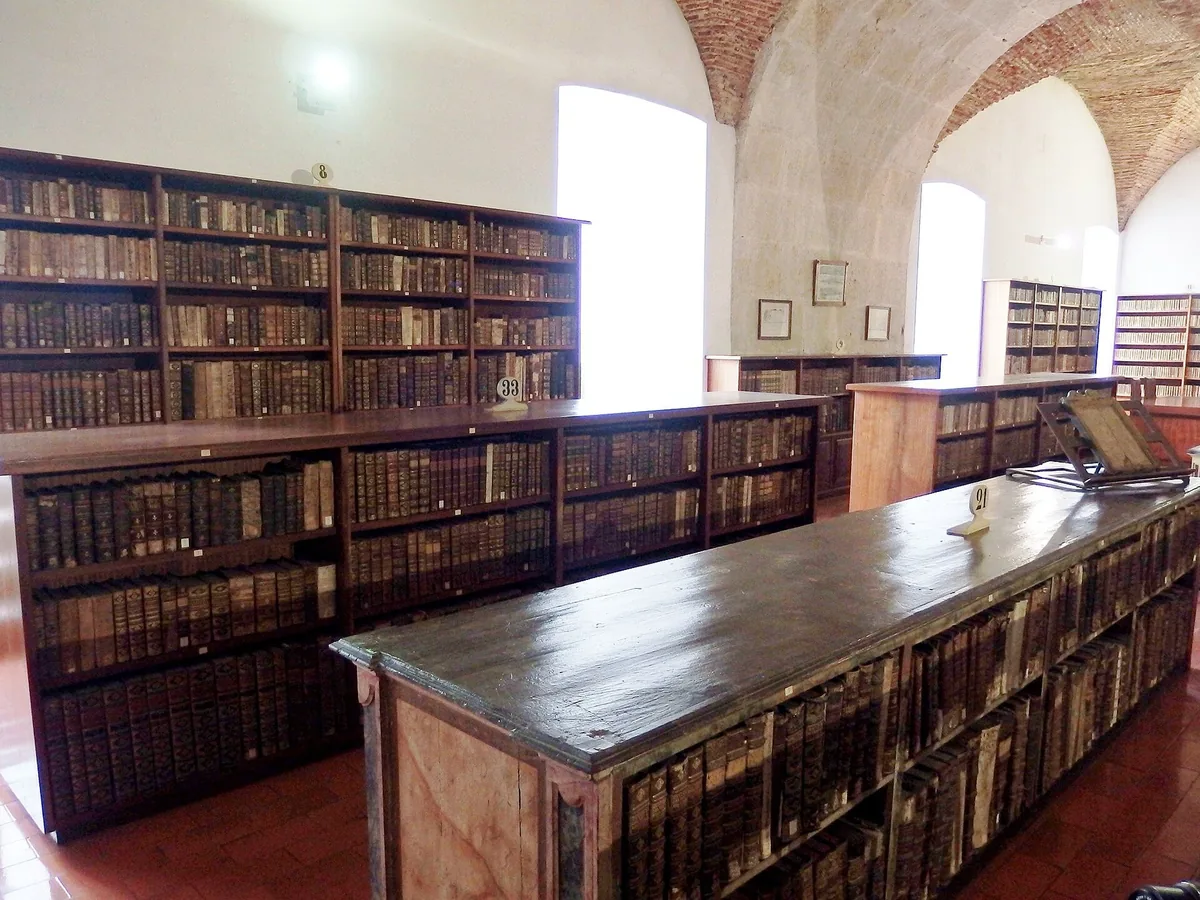
Three syllables, stress on a nasal middle one, and a soft unstressed ending. The common English error is treating the “oi” as a diphthong, which it is not.
Read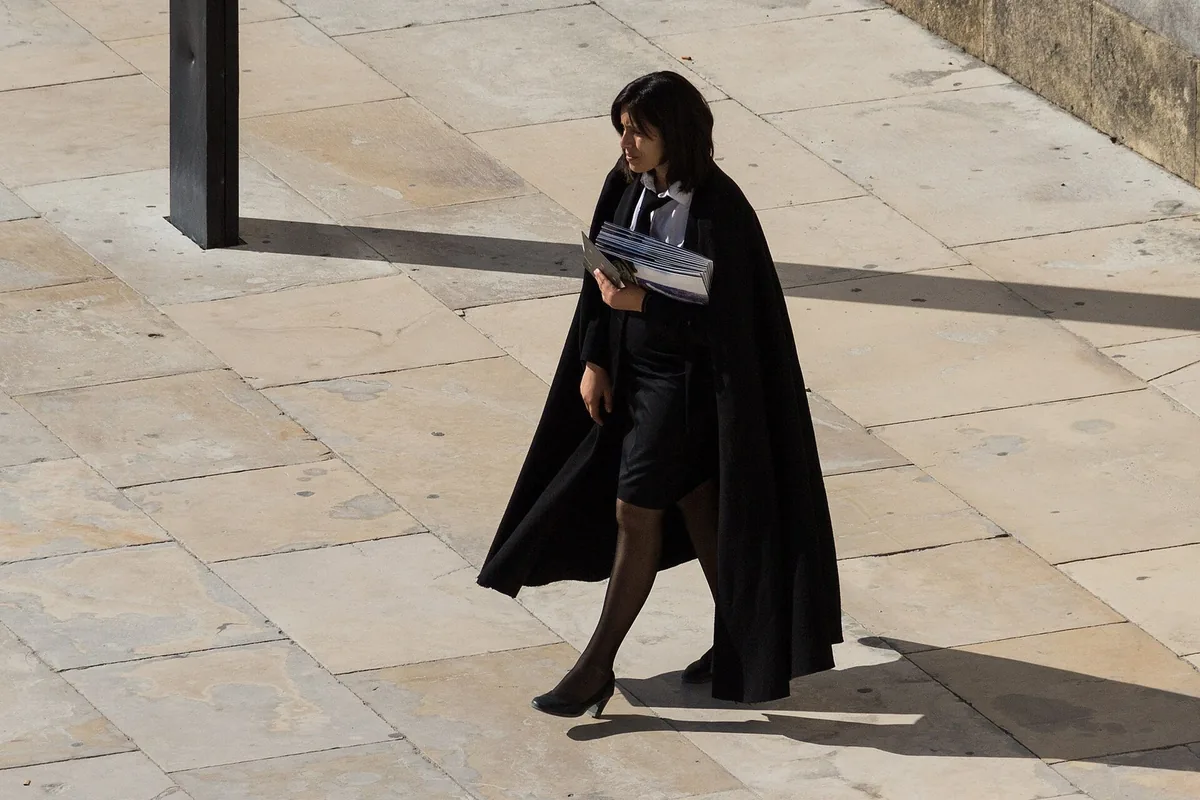
Why the Students Wear Black Capes
A black suit and a long black cape, worn by choice rather than rule, and a festival built on burning the ribbons that go with it. What is documented, and what is not.
Read