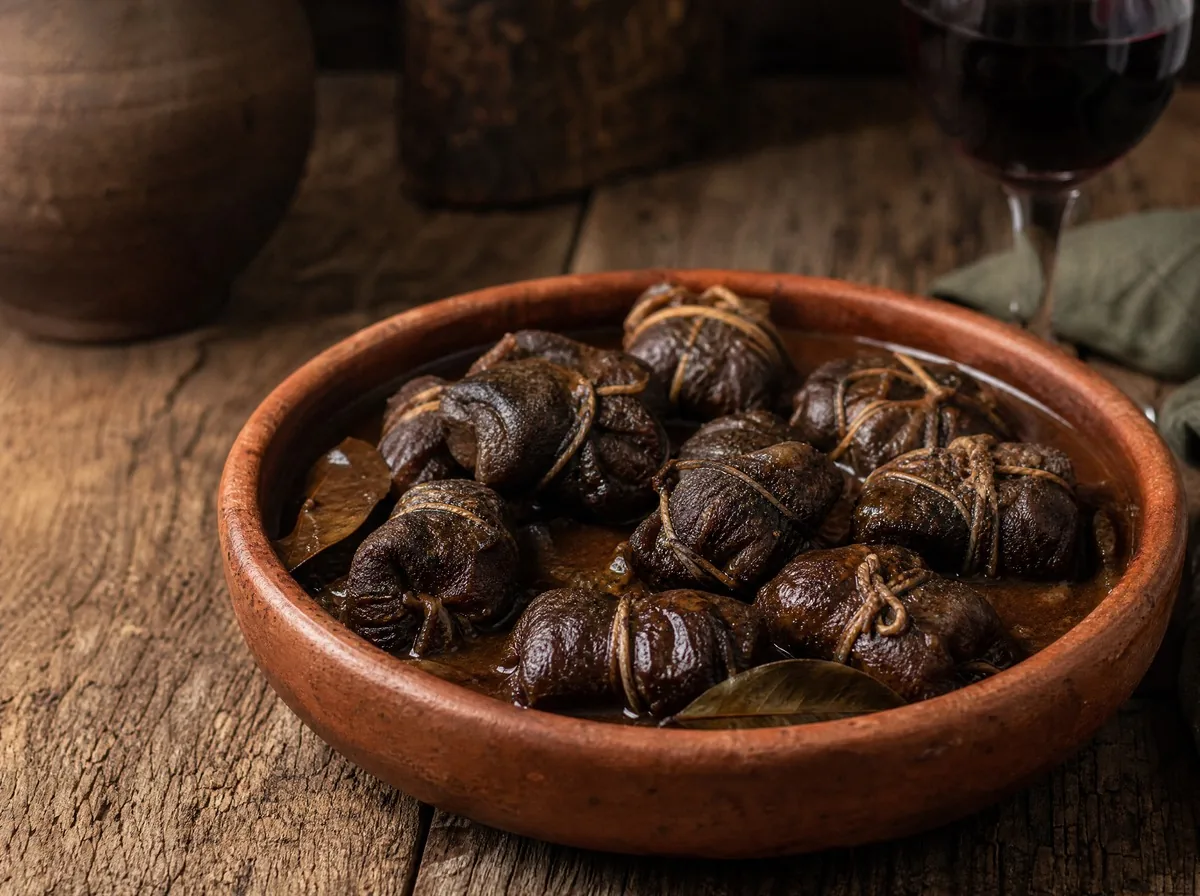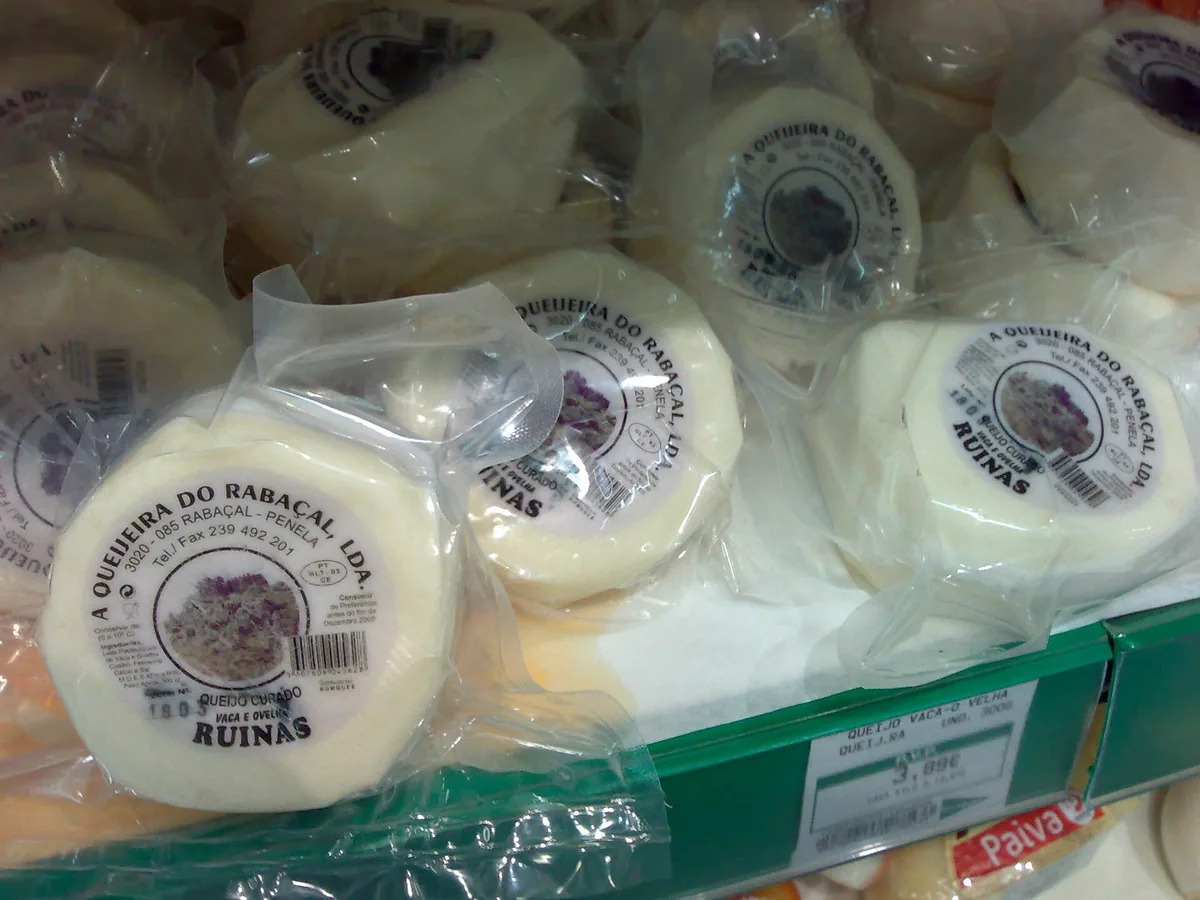

A small pale disc, firm rather than soft, cut into wedges and eaten with bread before the food arrives. Sheep’s milk gives it the fat and the length; goat’s milk gives it the sharp edge at the back. It is not a dramatic cheese and it is not trying to be — it is the everyday cheese of a particular stretch of limestone country, and it holds a DOP, a Protected Designation of Origin.
Now the part a Coimbra guide should say. The DOP zone does not include Coimbra city. It covers around 850 square kilometres to the south and south-west, across two districts, and the city sits outside it. You can eat this cheese in Coimbra; it is not a Coimbra cheese, and the distinction is written into European law rather than into anyone’s opinion.
The DOP zone, precisely
The Portuguese agriculture ministry’s DGADR register defines it, and the boundaries are worth reading because they are unusually specific.
The production area covers roughly 850 square kilometres across two districts. In Coimbra district: the whole of Penela, plus parts of Condeixa-a-Nova and Soure. In Leiria district: the whole of Ansião, plus parts of Alvaiázere and Pombal.
Coimbra city appears nowhere in that list. What does appear is Condeixa-a-Nova, which is where the Roman city of Conímbriga stands — the most-visited day trip from Coimbra. So the cheese zone and the ruins are the same corner of the district, which makes a useful pairing for an afternoon.
This is limestone hill country running south toward the Serra de Sicó, with thin soils and mixed sheep-and-goat flocks. The cheese is what that landscape produces, which is the entire logic of a protected designation.
What the register does not say
One important thing is missing from the official record, and we are not going to supply it from elsewhere.
The exact proportions of sheep’s and goat’s milk are not stated. DGADR confirms the cheese is made from a blend of the two and does not give a ratio. You will find figures quoted online; we could not source one, so we do not print one.
Also absent from what we read: minimum ageing time, size and weight ranges, the number of certified producers, and any price guidance.
And this: no source we read documents a specific shop or restaurant in Coimbra where you can buy or eat it. That is an odd gap for a DOP product from an hour’s drive away, and rather than invent an address we are telling you it is missing.
What we can say is where to look. A mercearia — a traditional grocer’s shop — is the right kind of business, and Fangas Mercearia Bar on Rua Fernandes Tomás is the one in this guide that works on that model. Ask for it by name.
How to eat it
Simply, and at the start of the meal. In Portugal cheese is a couvert item as often as a dessert item: it arrives with the bread and the olives before you have ordered anything, and it is charged for.
That has a practical consequence worth knowing anywhere in this country. You may send the couvert back without causing offence, and many visitors do because they do not realise it is not free. If the cheese on the plate is a named regional one, keep it.
Serve it at room temperature. A firm mixed-milk cheese straight from a refrigerator tastes of very little, and twenty minutes on the table changes it completely.
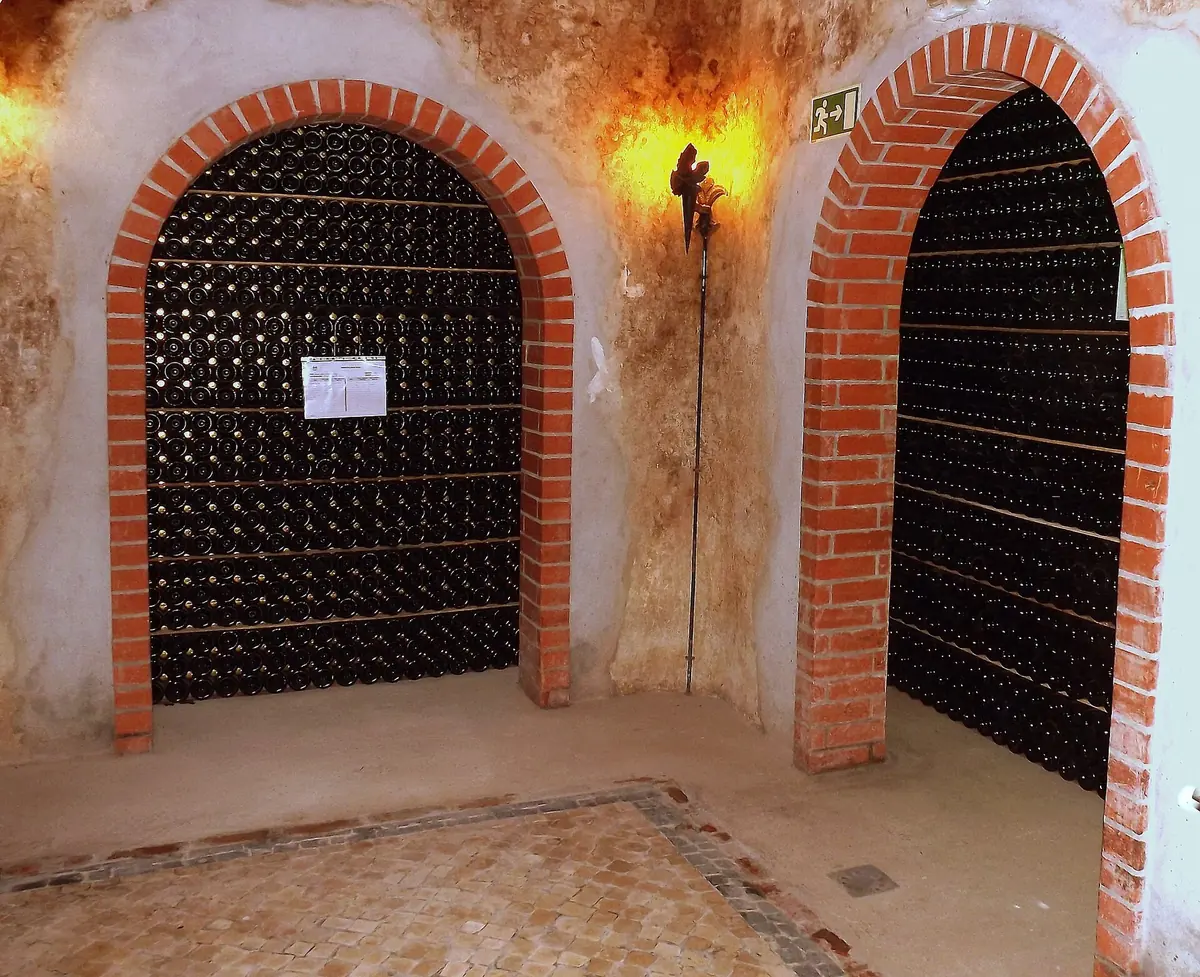
Drink something regional with it. The Dão begins immediately east of Coimbra and the Bairrada lies north; a sparkling wine with cheese and cured meat is the traditional combination in this part of Portugal, and the acidity works.
Seeing the country it comes from
The most satisfying way to meet this cheese is to go to where it is made, and the trip has a monument attached.
Conímbriga, in Condeixa-a-Nova, is the best-preserved Roman site in Portugal and sits inside the DOP zone. Beyond it the land rises into the limestone hills toward Penela and Ansião, which is the heart of the production area.
A note on planning, honestly given: we did not verify Conímbriga’s current opening hours or ticket prices from the museum’s own site, so check before you go rather than relying on any figure you find in a guide, including this one.
The other direction from Coimbra takes you into different food entirely. South-east are the schist villages of Lousã and the goat-braising country that produced chanfana and negalhos; north is the Bairrada and leitão. Coimbra sits in the middle of four distinct food regions and claims none of them.
What the city itself produced is a set of convent sweets: arrufadas and pastéis de Santa Clara. The whole sorting is in what to eat in Coimbra.