VisitCoimbra
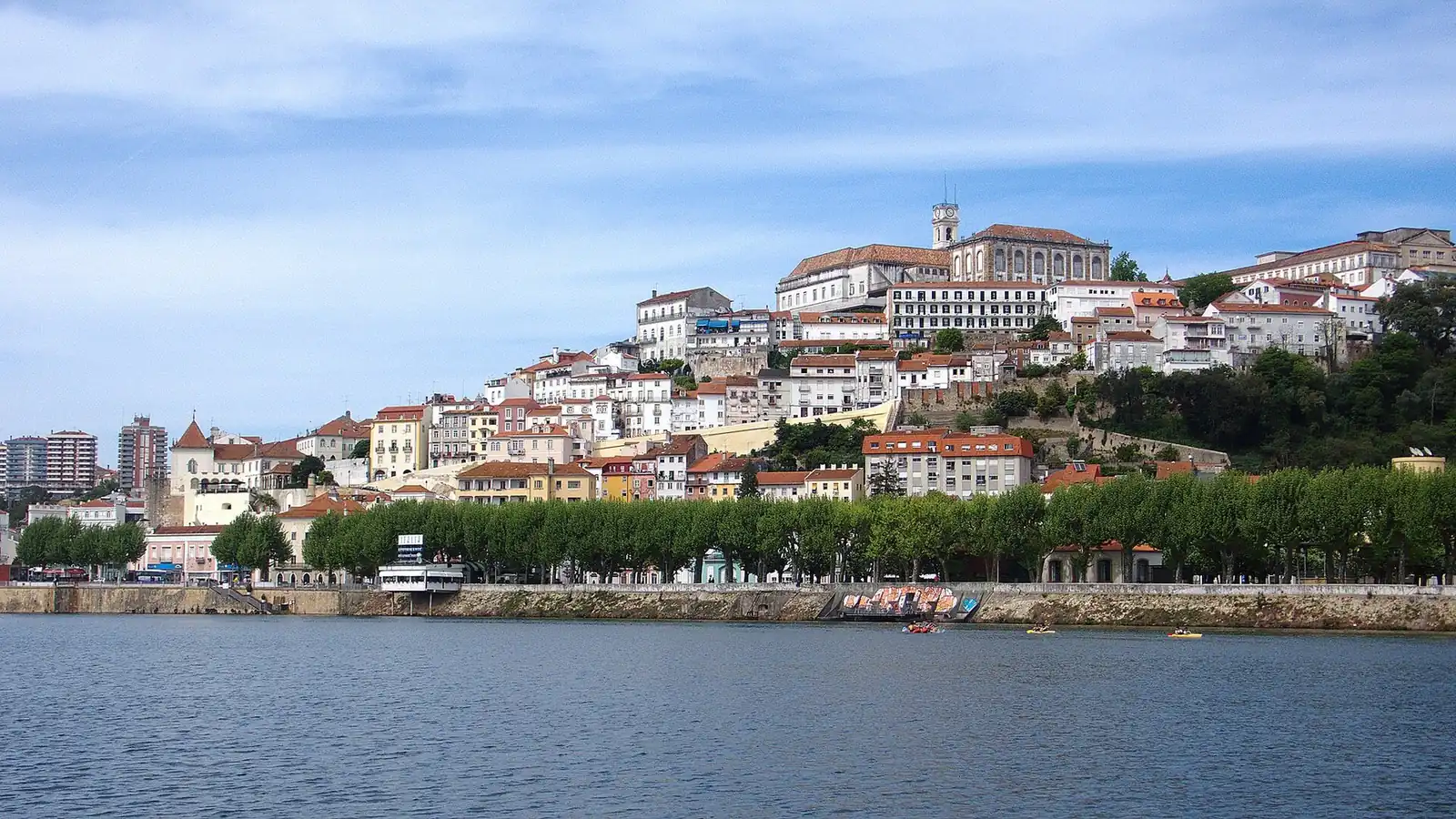
Coimbra is a university city on the Mondego in central Portugal. Its university — the Alta and Rua da Sofia, 32 buildings in all — was inscribed as UNESCO World Heritage in 2013. It has its own fado, sung by men, and its own hill: a public lift climbs 51 metres so you do not have to.
Choose your visit length
Last updated September 2026
What shape is your visit taking?
Is Coimbra worth visiting?
The honest answer, including the three sights that are shut and who should skip the city entirely.
Visiting the university
Six ticket programmes, the 20-minute library slot, and the photography ban on the famous room.
Getting to Coimbra
Every fast train stops two kilometres outside the centre. What replaced the shuttle that ended.
When to visit
This is a university town, so the calendar that matters is the academic one.
Plan your visit to Coimbra
How many days do you need?
One day covers the city: the university circuit at a stated three hours, both cathedrals, the royal tombs at Santa Cruz and an 18:00 fado show. A second day buys a day trip — most obviously Conímbriga, on three buses a day. A third needs a reason with a name.
Full day-by-day itinerariesWhen should you go?
May and October are the months the student city takes over, and both close the UNESCO circuit for a day. June and September are the quiet equivalents with summer hours still running. Check the movable festival dates before booking anything.
Month-by-month guideWhat’s on in Coimbra
The student calendar is the one that matters here: eight days in May, its noisy autumn twin, and a patronal festival whose processions run only in even years. All three close things.
 May
Student festival
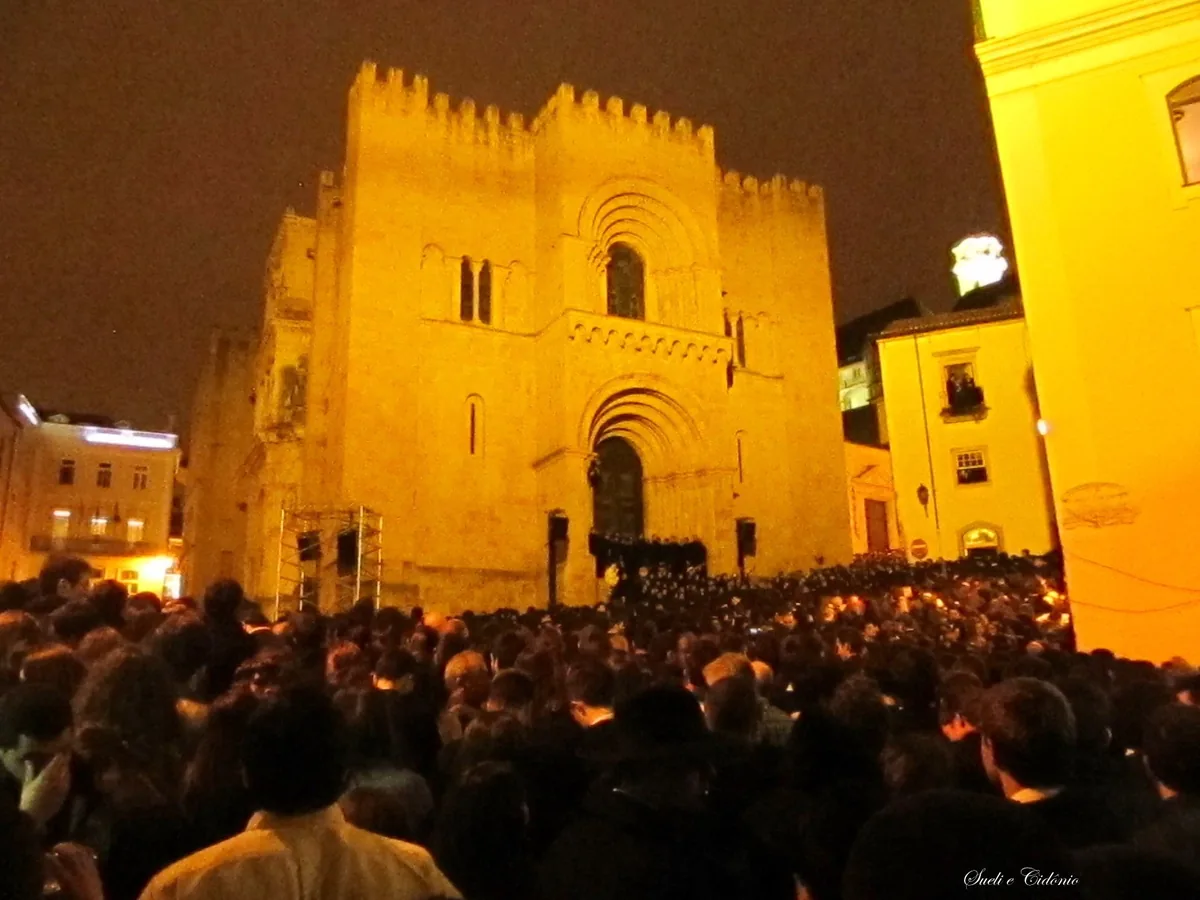
Queima das Fitas
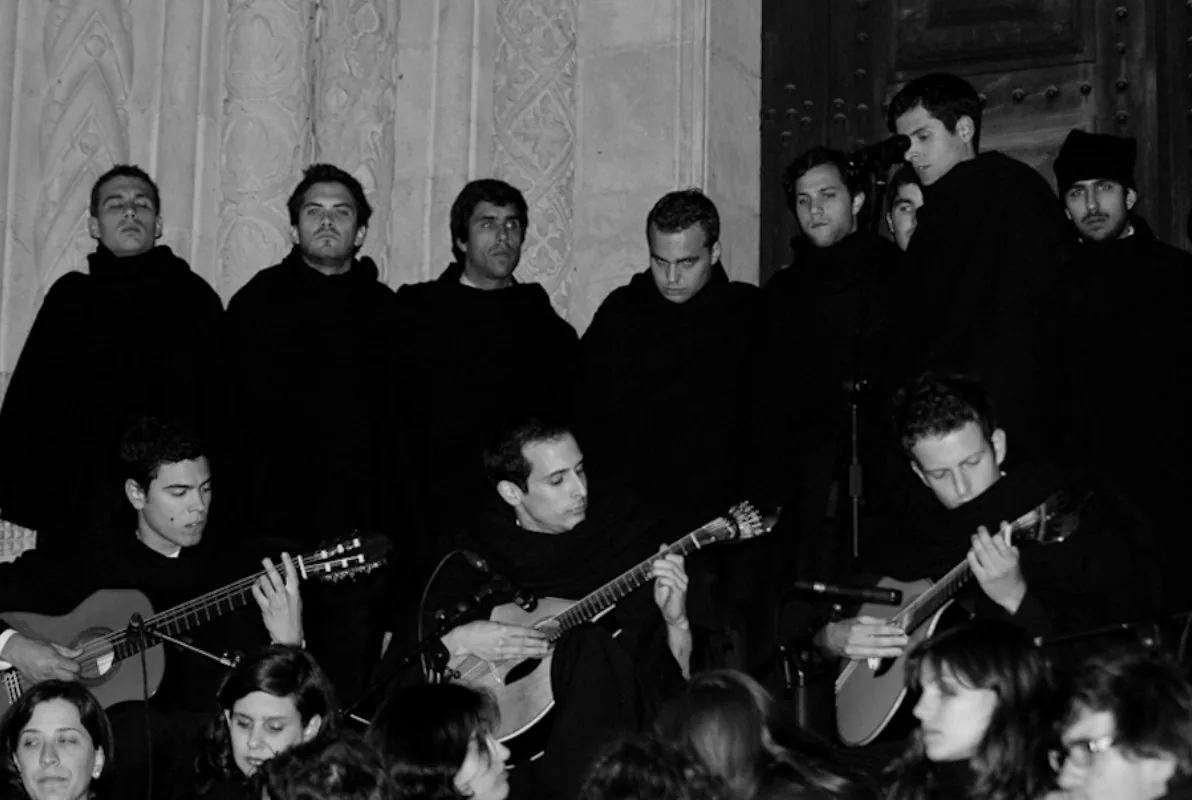
Eight days in May, one per faculty, opened by a midnight serenade on the cathedral steps. Big enough to close a UNESCO site and a national pantheon.
 Late September–October
Student festival
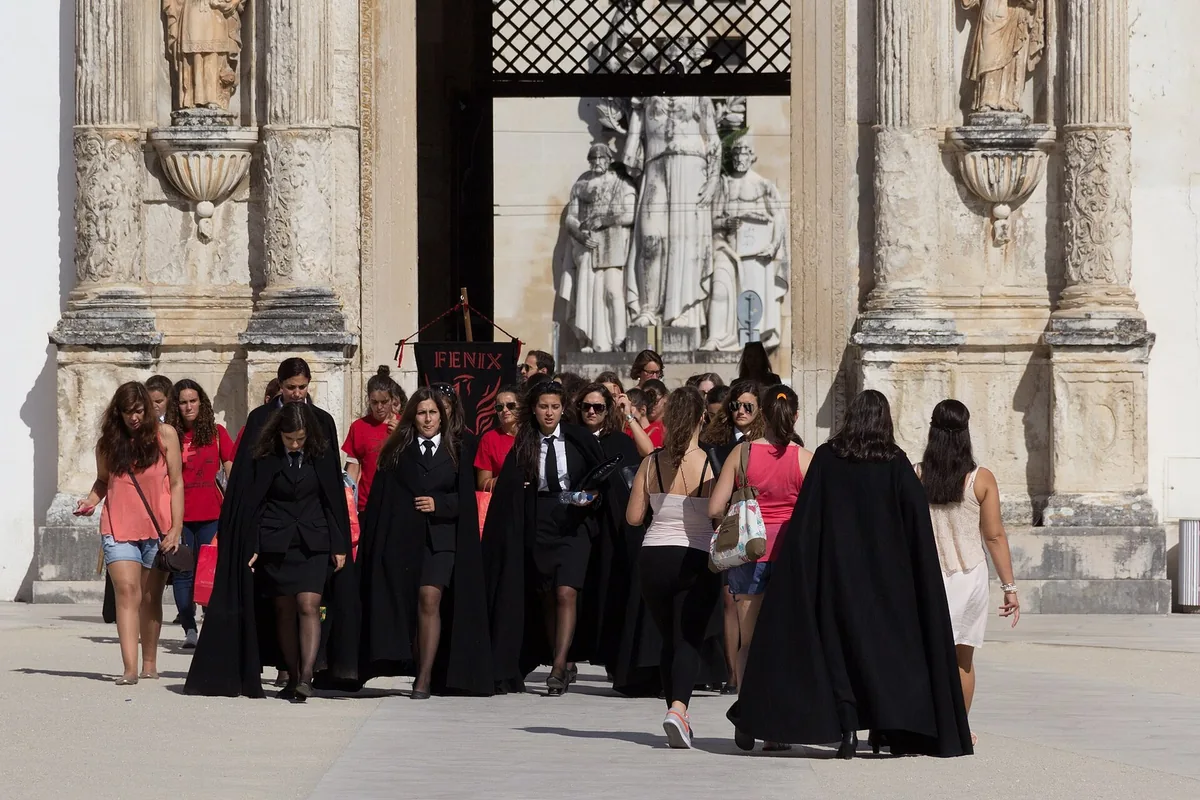
Latada / Festa das Latas
The Queima’s autumn twin, welcoming new students instead of sending finalists off. Deliberately noisy, ending with the freshers baptised in the river.
 July, even years
Patronal festival
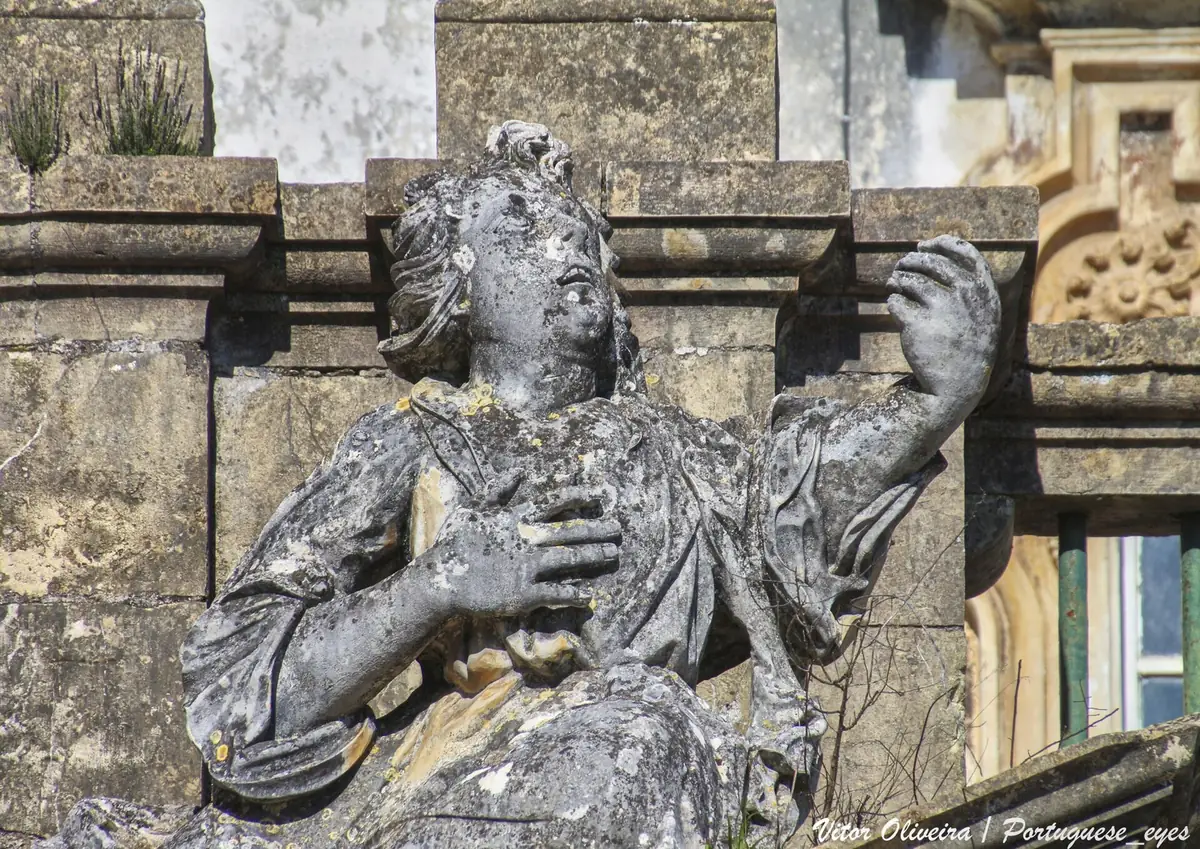
Festas da Rainha Santa Isabel
The city’s patronal festival, with processions every second year. 2026 ran 1–12 July; the next procession year is 2028. The rest of the festival is annual.
Must-see monuments
A Baroque library entered through a medieval prison, a Romanesque cathedral with no human figures carved in it, and two kings in a nave you can walk into free.
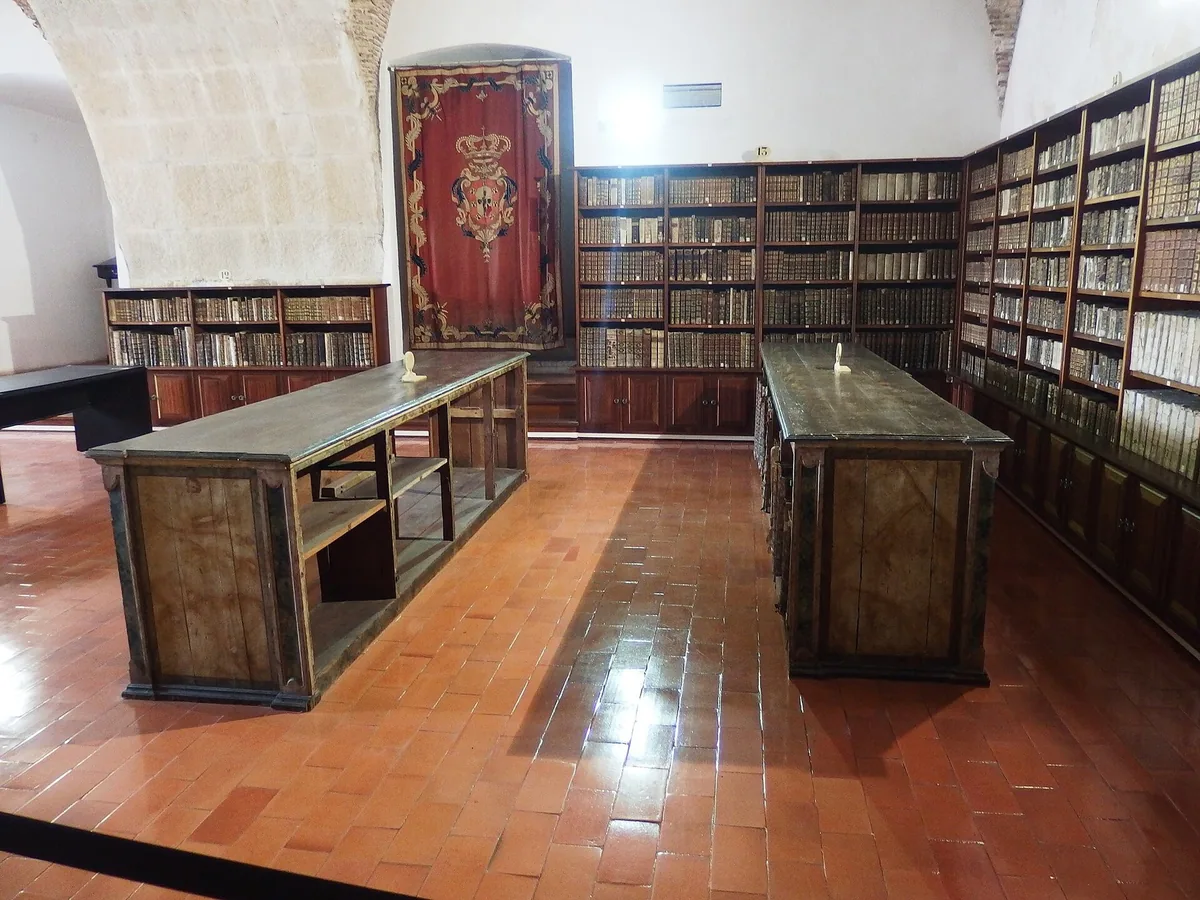
Biblioteca Joanina
Portugal’s grandest Baroque interior, entered through a medieval jail, guarded by bats and sold only as a timed slot inside a combined university ticket.
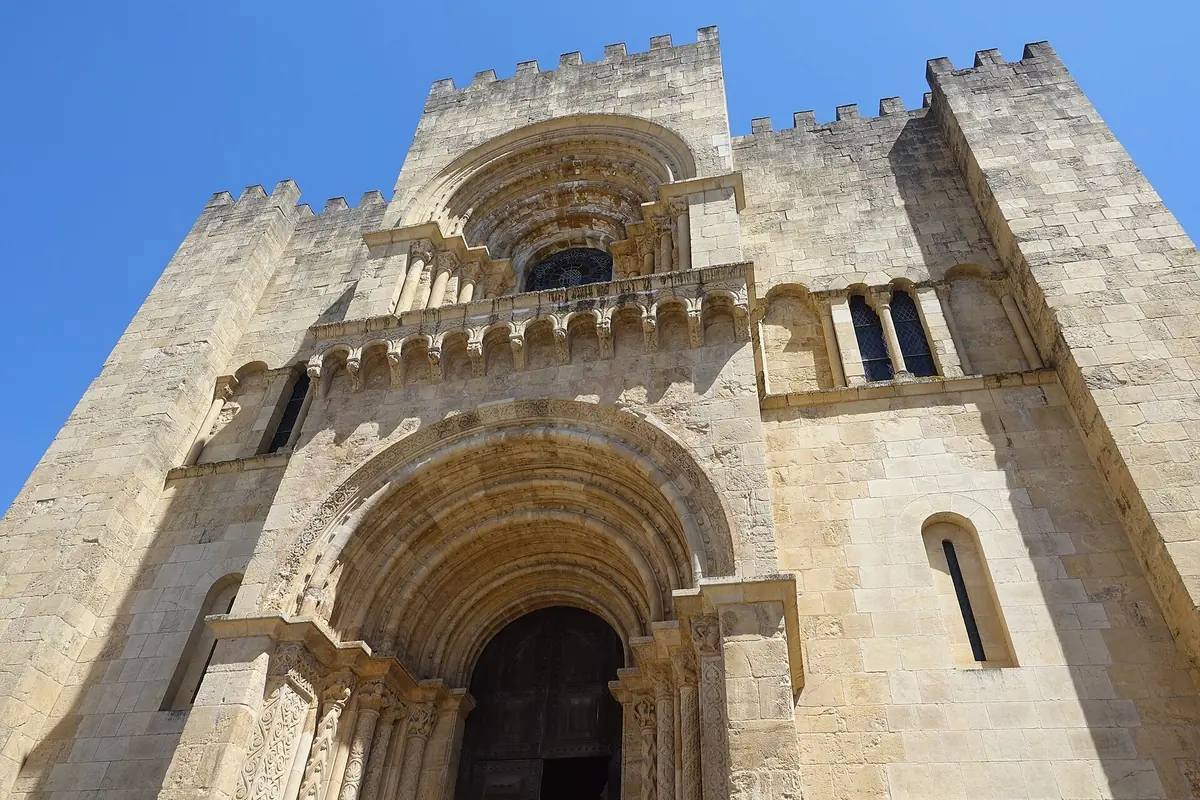
Sé Velha de Coimbra
A fortified Romanesque cathedral begun in 1164, with the richest Romanesque carving in Portugal and not a single human figure in it. Entry 3 EUR.
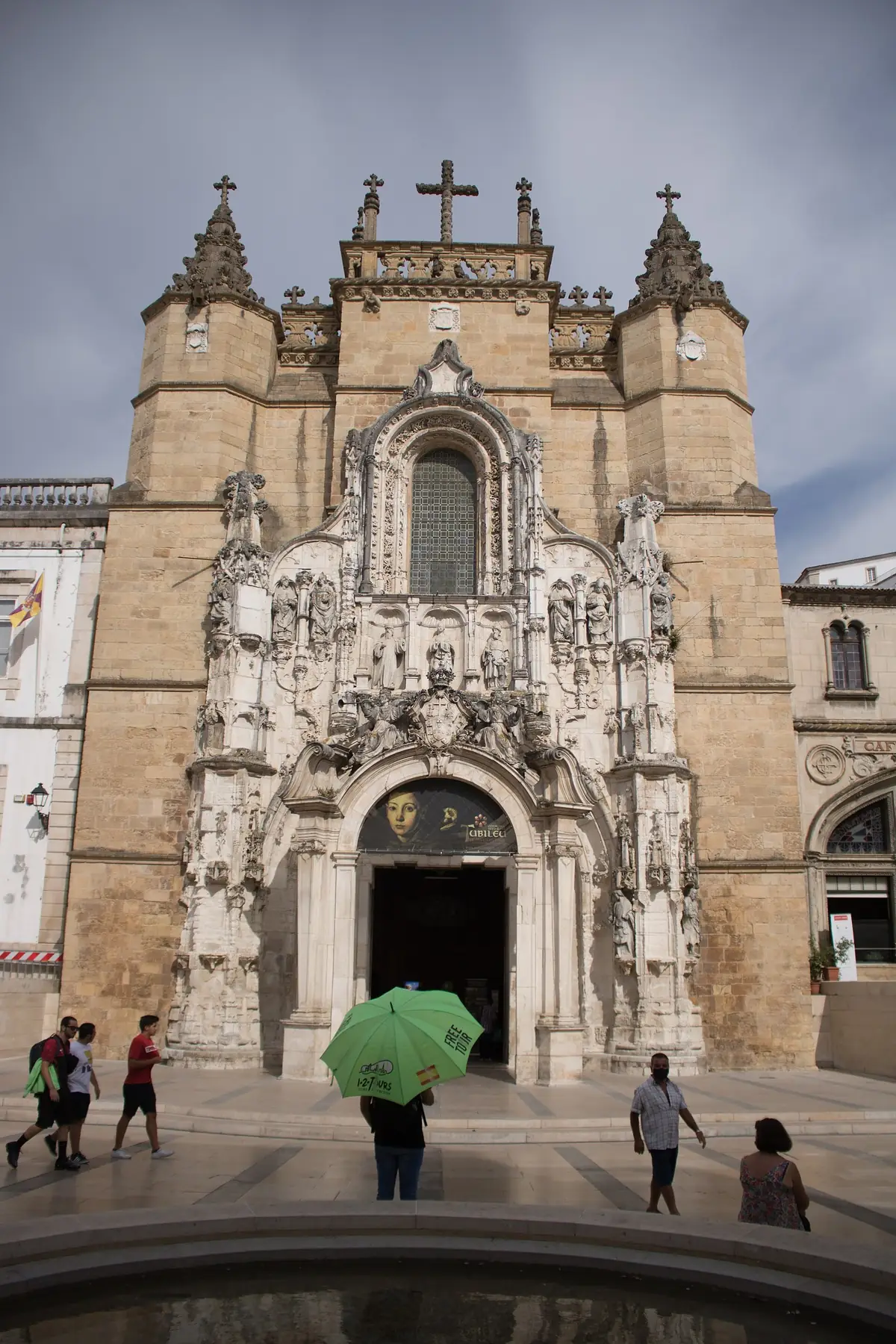
Mosteiro de Santa Cruz
A National Pantheon on the Baixa’s main square: two royal tombs you can see for nothing, and a cloister, sacristy and high choir most visitors never buy.
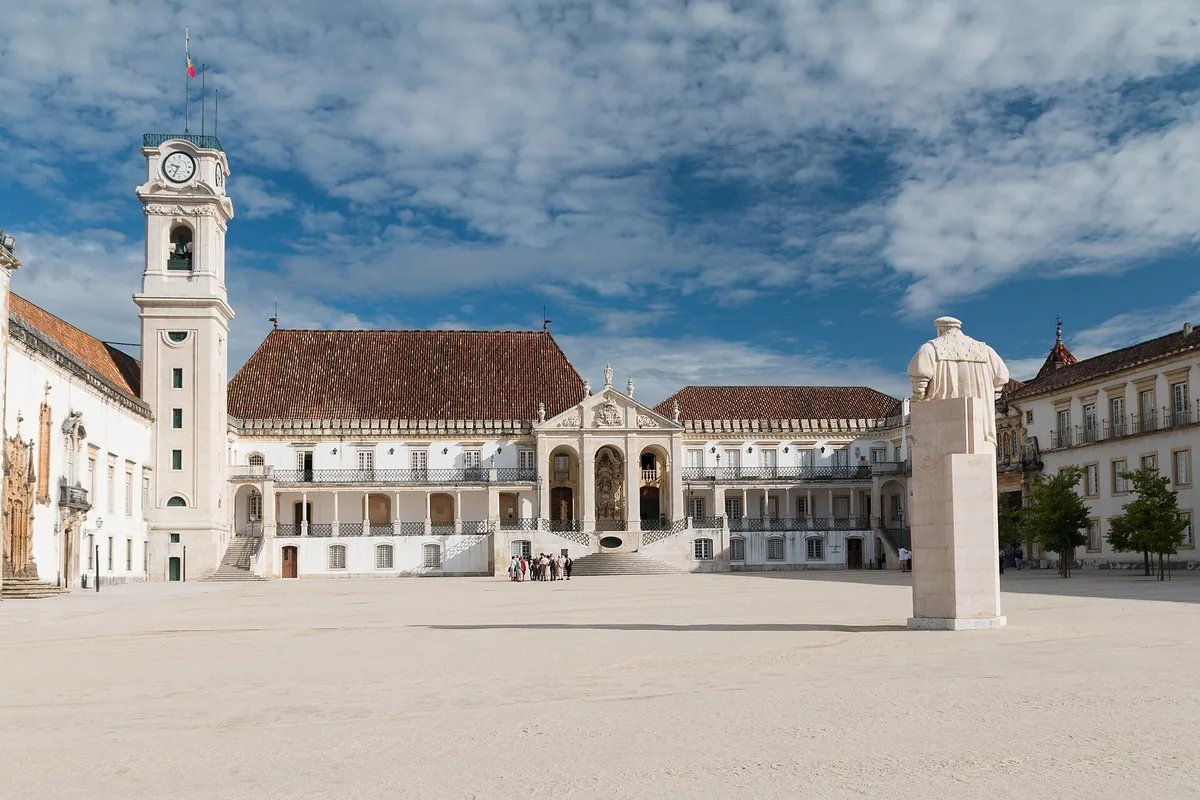
Paço das Escolas
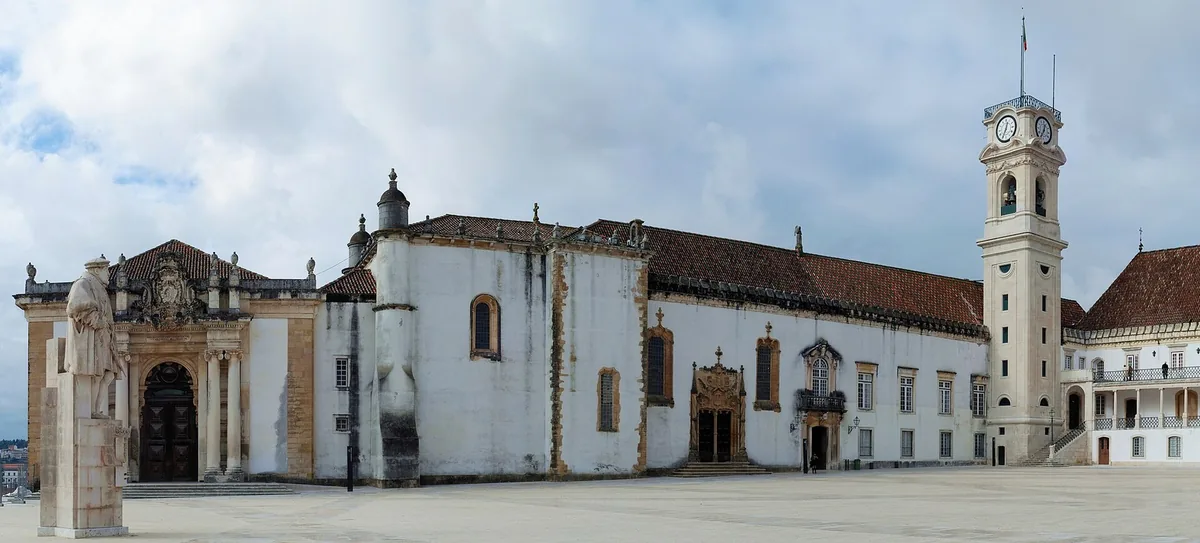
Portugal’s first royal household, handed to the University in 1544 and still its ceremonial heart: armoury, faculty colour rooms and two examination halls.
Read a few context guides, not just a monument checklist
These explain why Coimbra matters, what is closed, and which of the famous dishes are not from here at all.

Book a guided experience
Guided university visits, a 50-minute fado show that runs every day of the year, and the river — which is where the best-rated activity in Coimbra actually is.
 Guided tour
University of Coimbra Walking Tour
The university sells its own 1h30 guided tour at 25 EUR; operators sell walking tours with tickets. What each covers and which is worth your morning.
 Experience
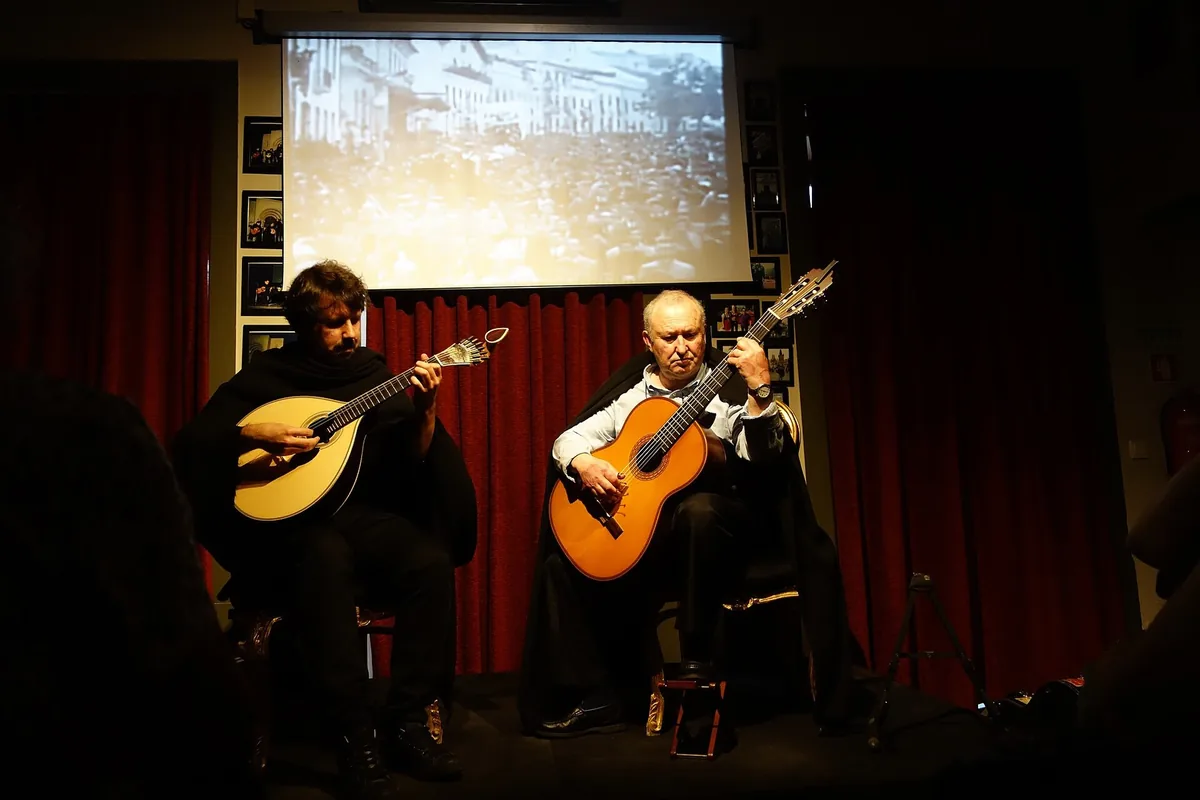
Fado de Coimbra Show
A 50-minute concert at 18:00, every day of the year, with a glass of Port in the ticket. Coimbra students get in free, capped at two a day.
 Experience
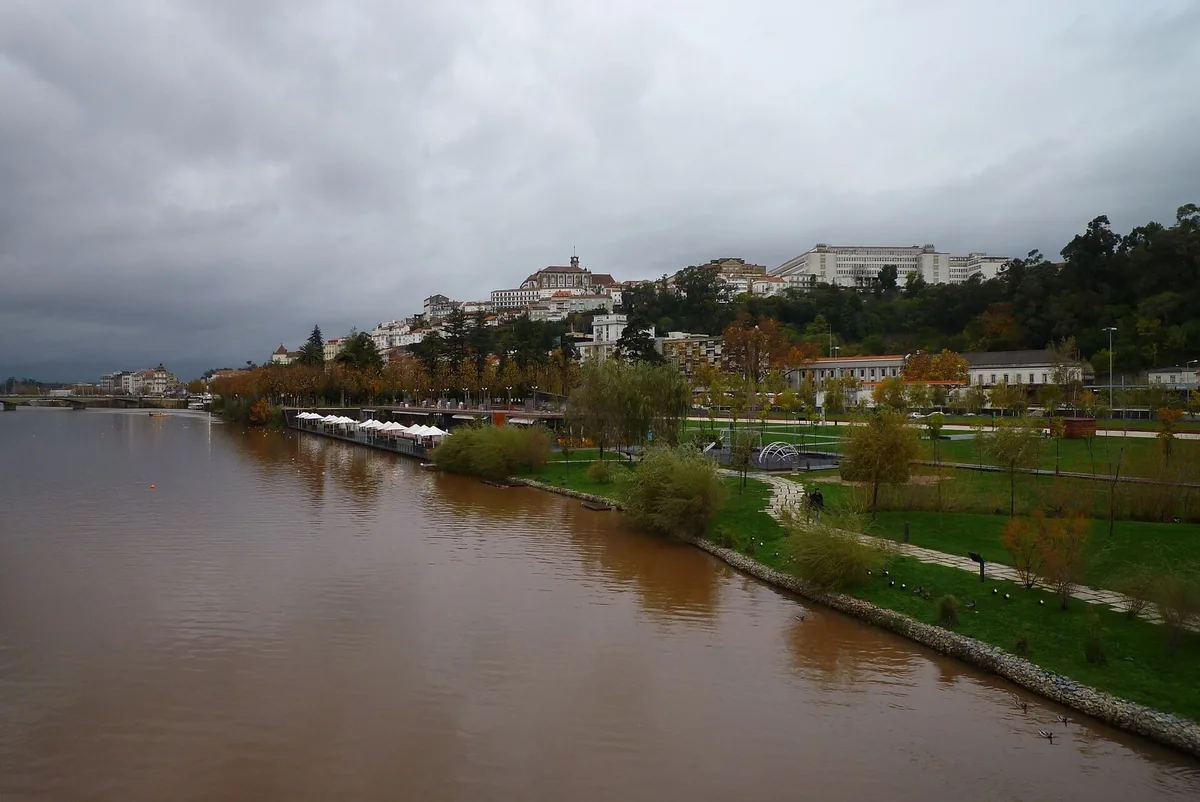
Kayaking on the Mondego
Four to five hours downriver, and the strongest rating of any Coimbra activity with a real sample. The one thing here that is not a monument.
 Experience
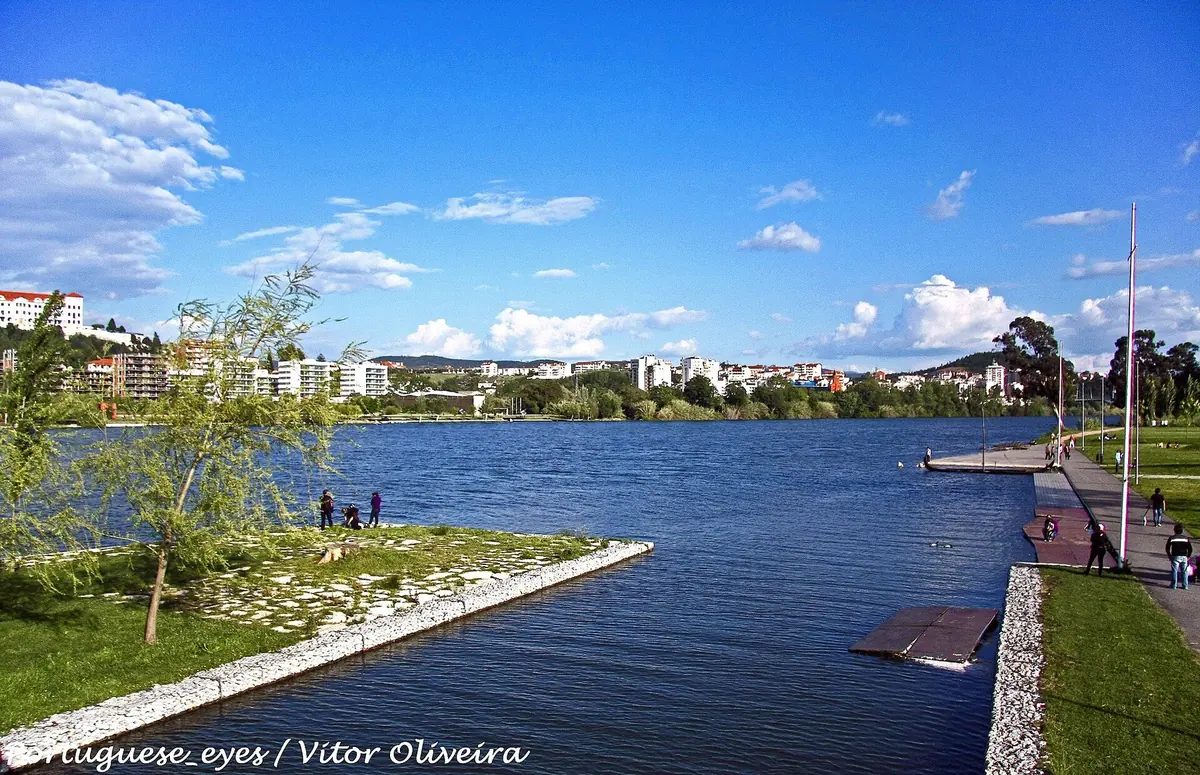
Mondego River Cruise
Fifty minutes on the Mondego for the one angle that explains Coimbra’s shape. Well priced, modestly rated, and the easiest hour in the city.
Day trips from Coimbra
Five day trips, and every one of them turns on a timetable rather than a preference. Conímbriga has three buses a day; Lousã became reachable again this month.
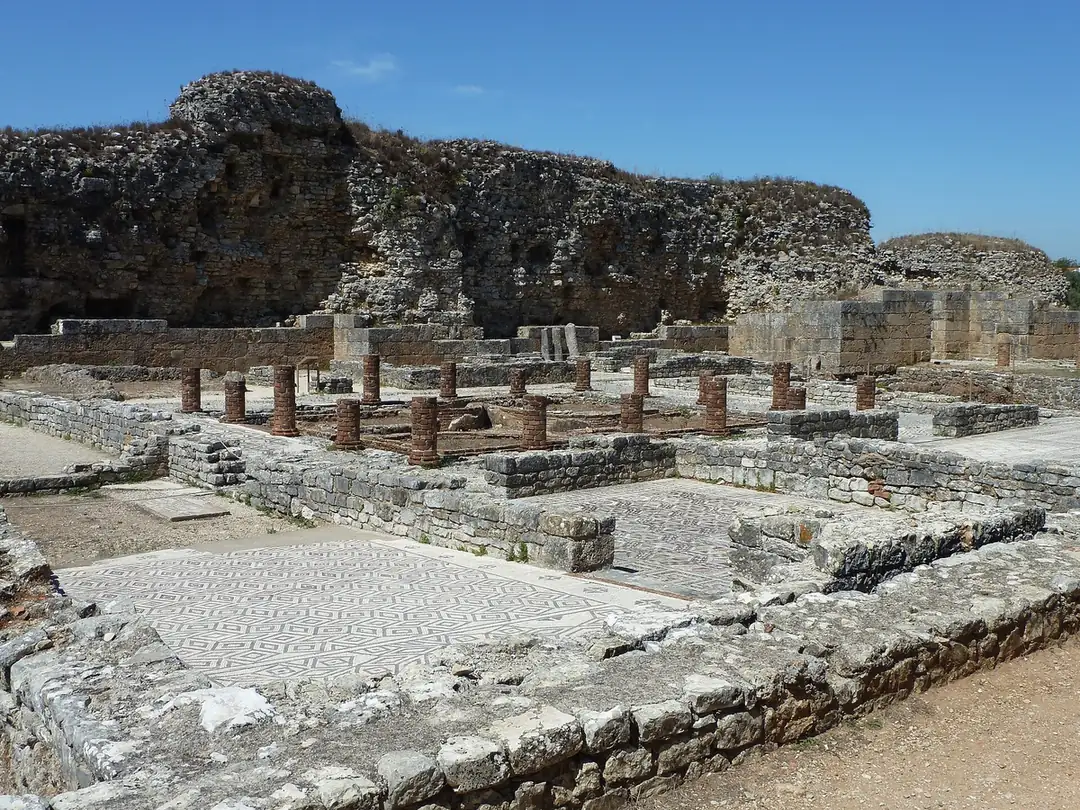
Conímbriga
Mosaics in situ and working water gardens, reachable on three buses a day. Get the 09:00 out and the 17:55 back and the site is yours all morning.
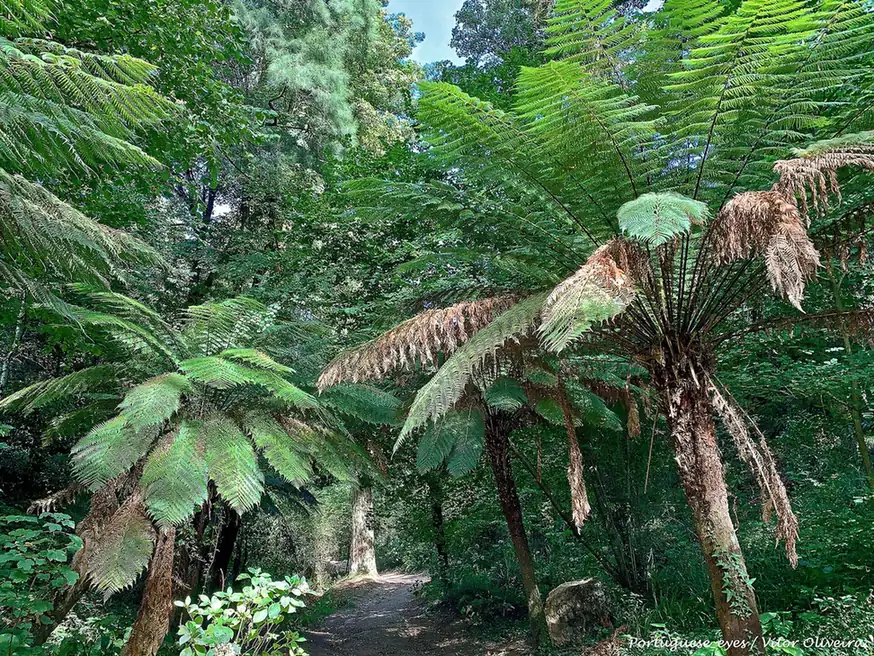
Buçaco Forest
A walled Carmelite forest where the entrance fee is levied on your car, not your head count. Free on foot, 7 EUR to drive in, whoever is inside.
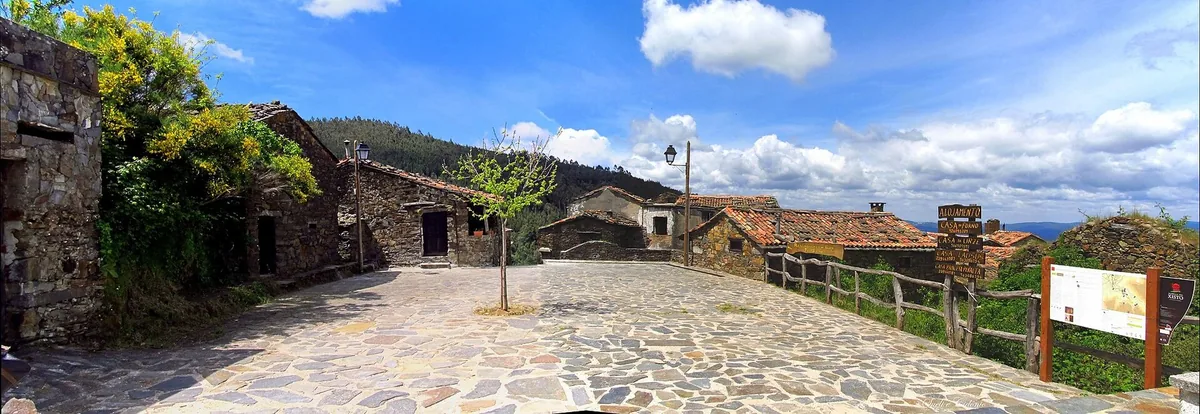
Lousã and the Schist Villages
A railway closed in 2010, a busway opened on its alignment in 2025, and the last section reopened this month. Lousã is a public-transport day trip again.
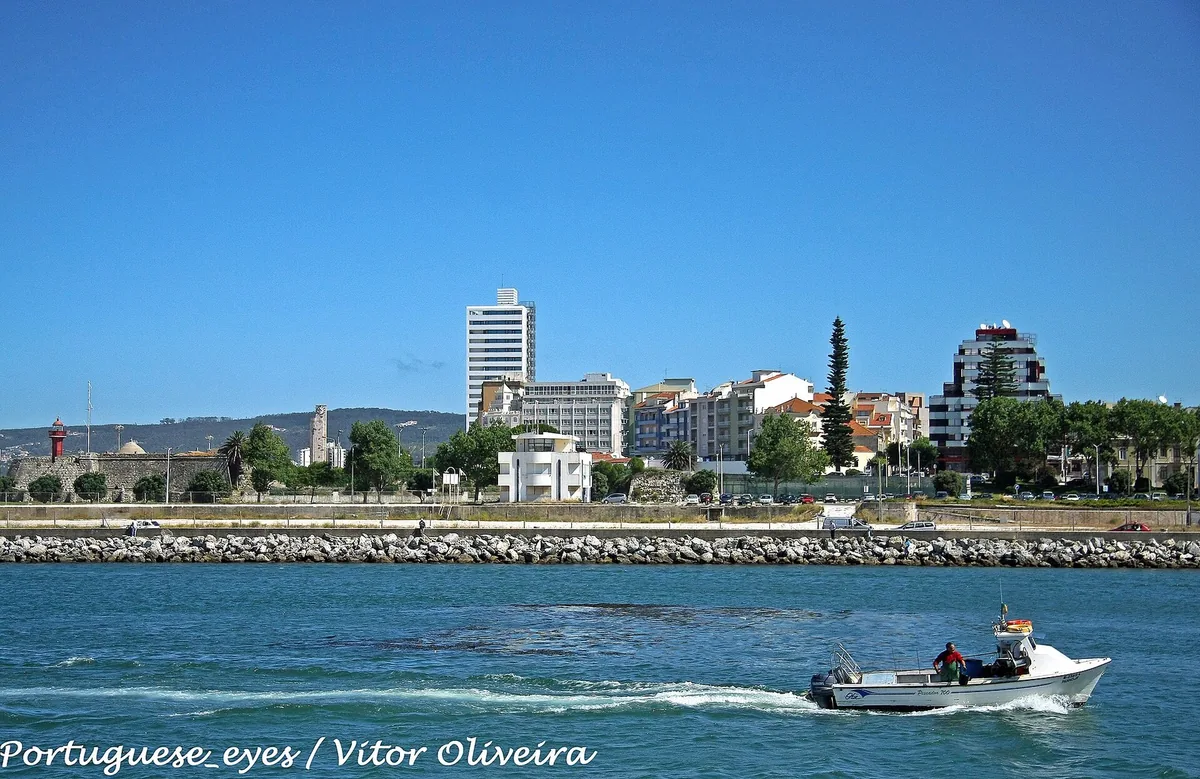
Figueira da Foz
The Atlantic at the end of Coimbra’s own urban railway. The easiest day trip to reach and the one with an unresolved question about which station you leave from.
Where the city changes character
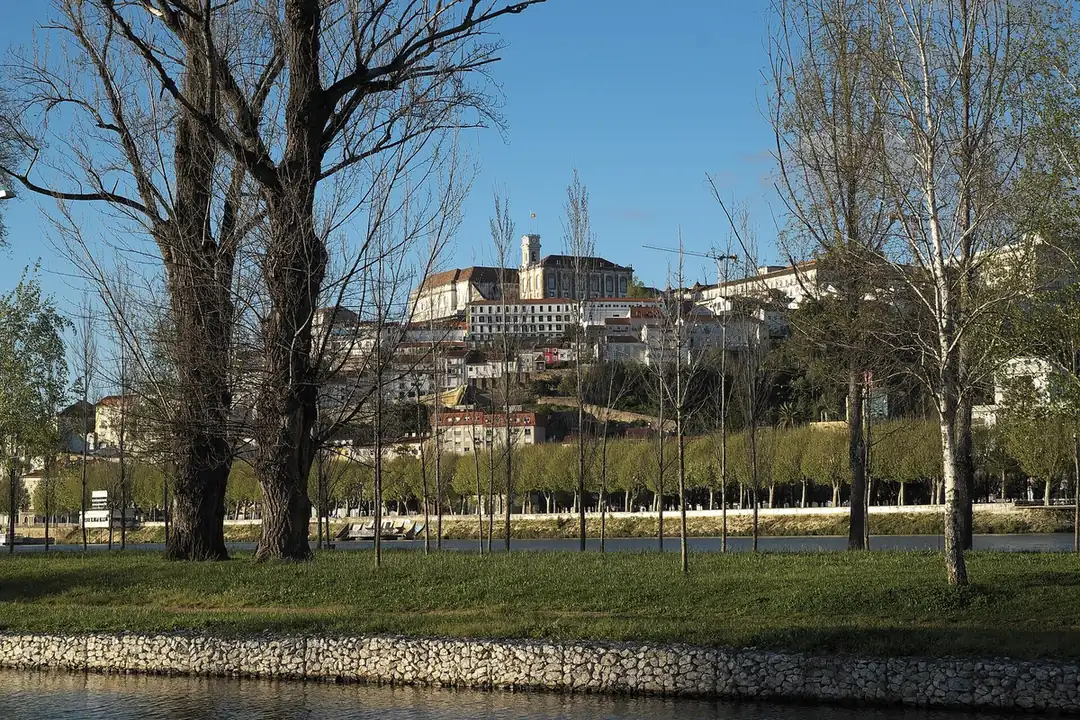
The UNESCO hill, the flat lower town where the restaurants are, and the left bank across the river. Choosing between them is choosing how much climbing your trip contains.
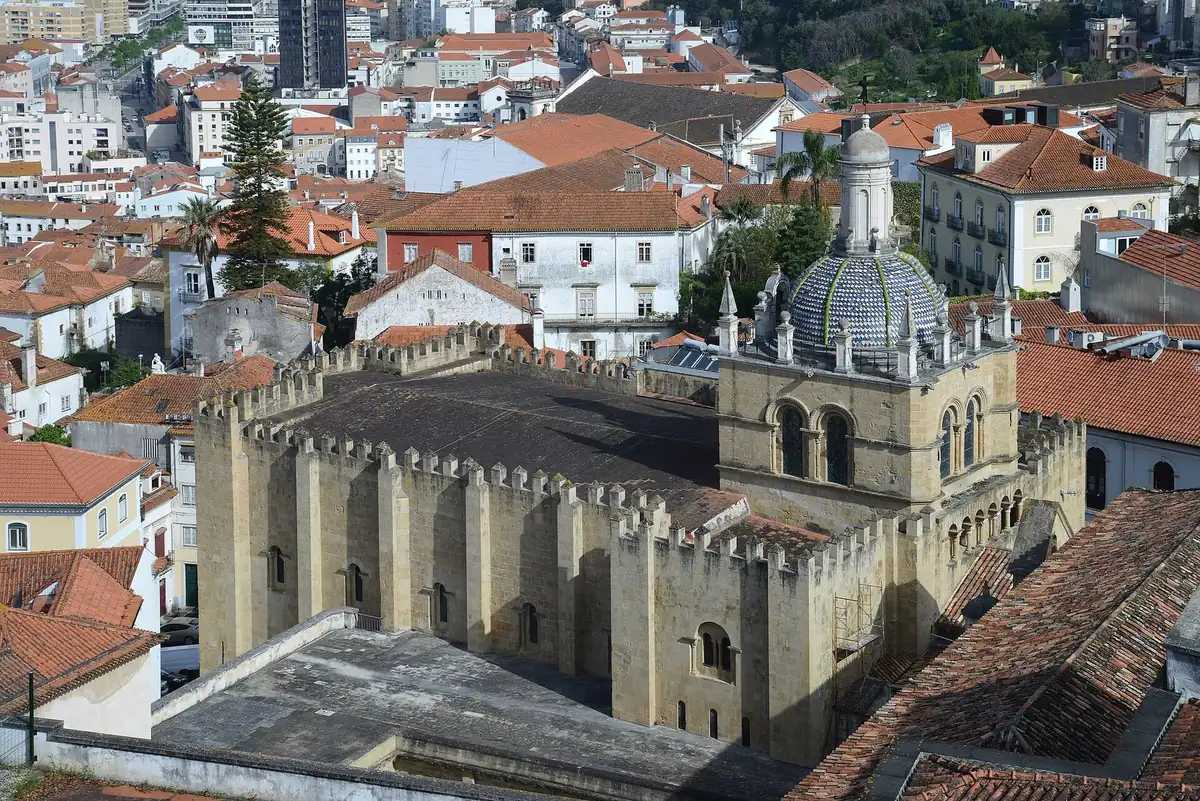
Alta
The UNESCO hill: university, two cathedrals, a stepped lane called Back-Breaker Street, and a public lift that rises 51 metres so your calves do not have to.
The university quarter on the hill — World Heritage, student noise and a climb you should plan around
Explore the neighbourhood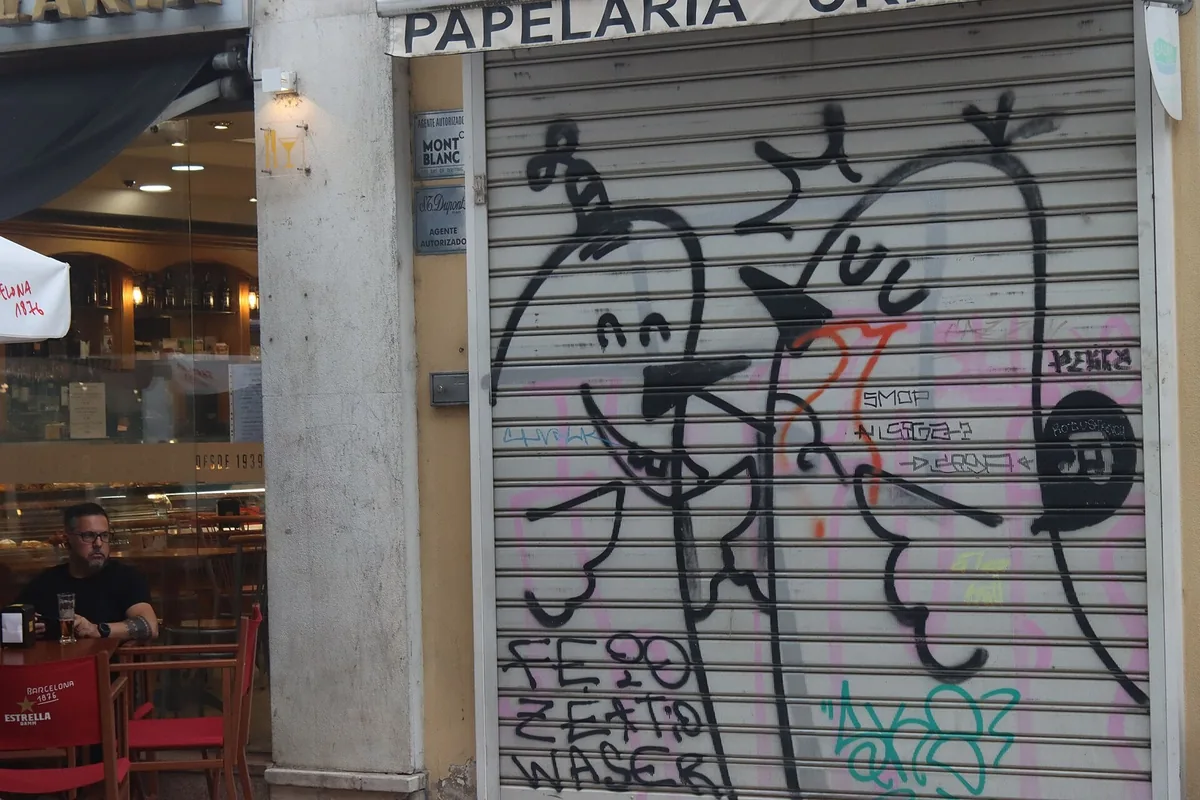
Baixa
The flat commercial lower town between the hill and the river. Most of the city’s restaurant addresses, its main shopping spine, and no climb to get home.
The flat, busy, slightly scruffy lower town — the practical place to sleep and the place everyone eats
Explore the neighbourhood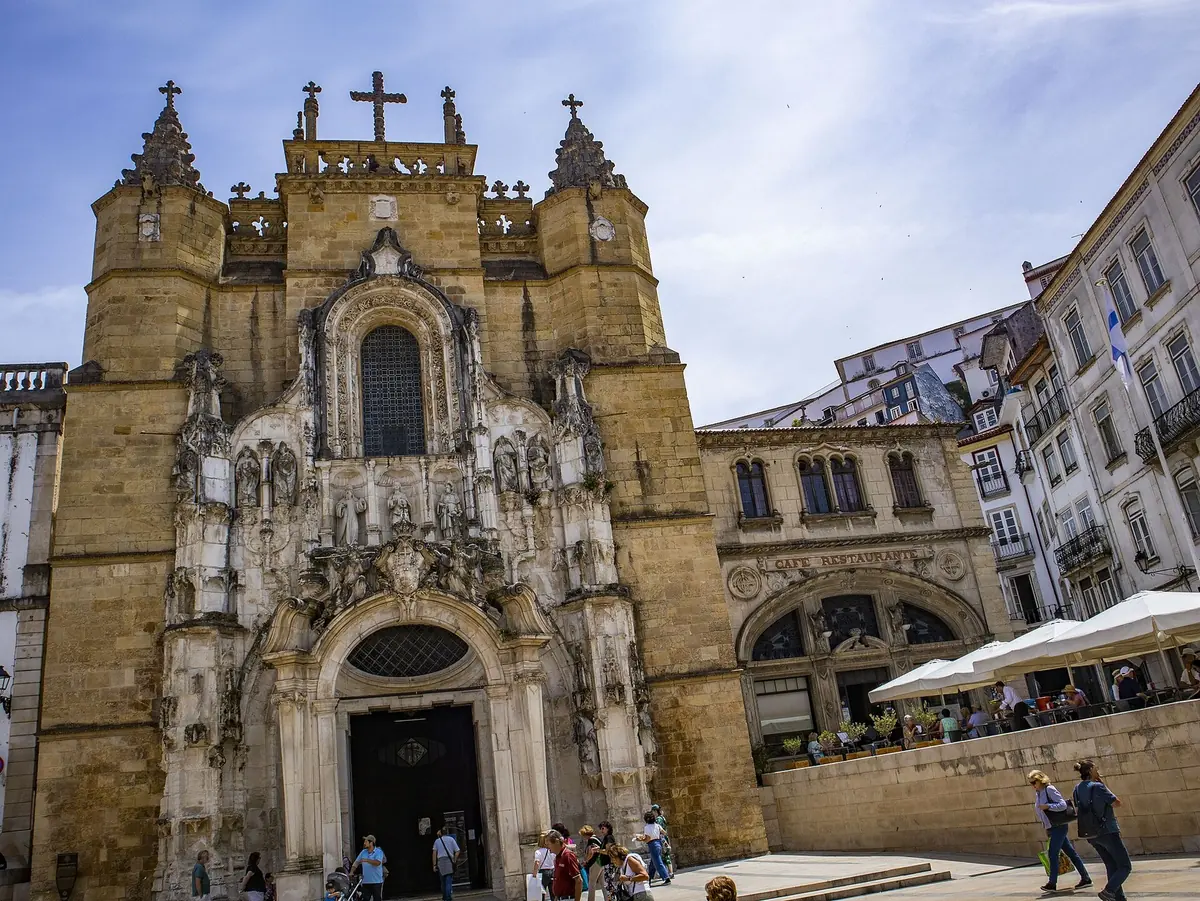
Santa Cruz
One square doing the work of a quarter: Portugal’s first two kings in a free nave, a café inside the old church, and Rua da Sofia heading north.
A monument square rather than a residential quarter — the pantheon, the café in the church, and the UNESCO street behind it
Explore the neighbourhood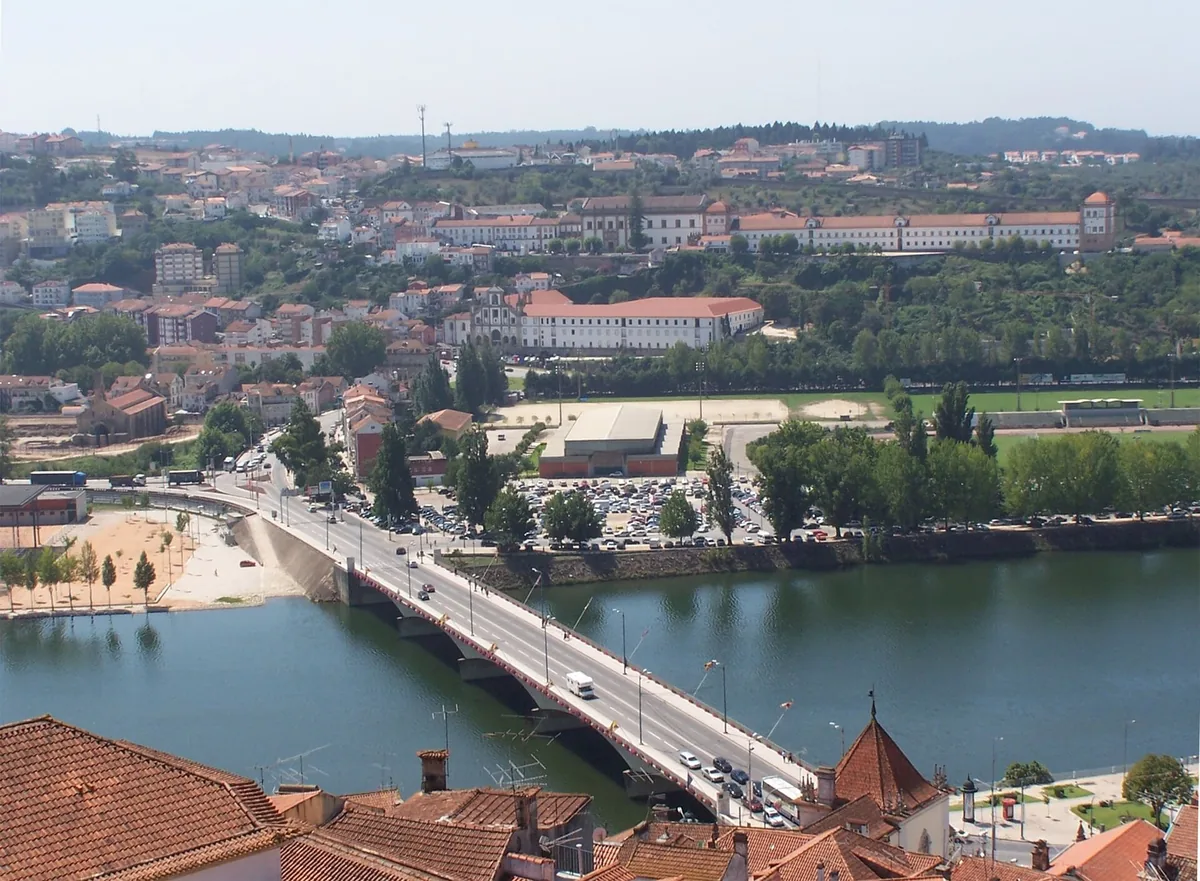
Santa Clara
The left bank across the Mondego: a drowned Gothic monastery, a queen buried twice on the ridge above it, and the only side of Coimbra a car forgives.
The quiet left bank — monasteries, a miniature Portugal, and the side of the river where driving works
Explore the neighbourhoodEat and taste Coimbra
Seven tables and a queue by noon, the city’s best-recommended chanfana, and the one address in the Baixa that does a proper dinner.
 Traditional
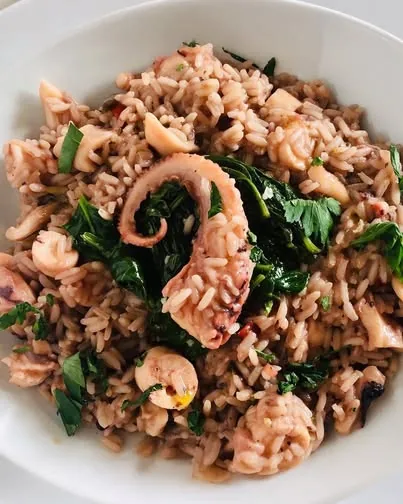
Zé Manel dos Ossos
Seven tables in a blind alley, walls papered with customers’ notes, and a queue by noon. Thirty years of the same menu and no reservations worth the name.
 Traditional
A Cozinha da Maria
One named writer calls its chanfana the best she has eaten. Two reputable sources put the restaurant on two different streets, so read this before you walk.
 Fine dining
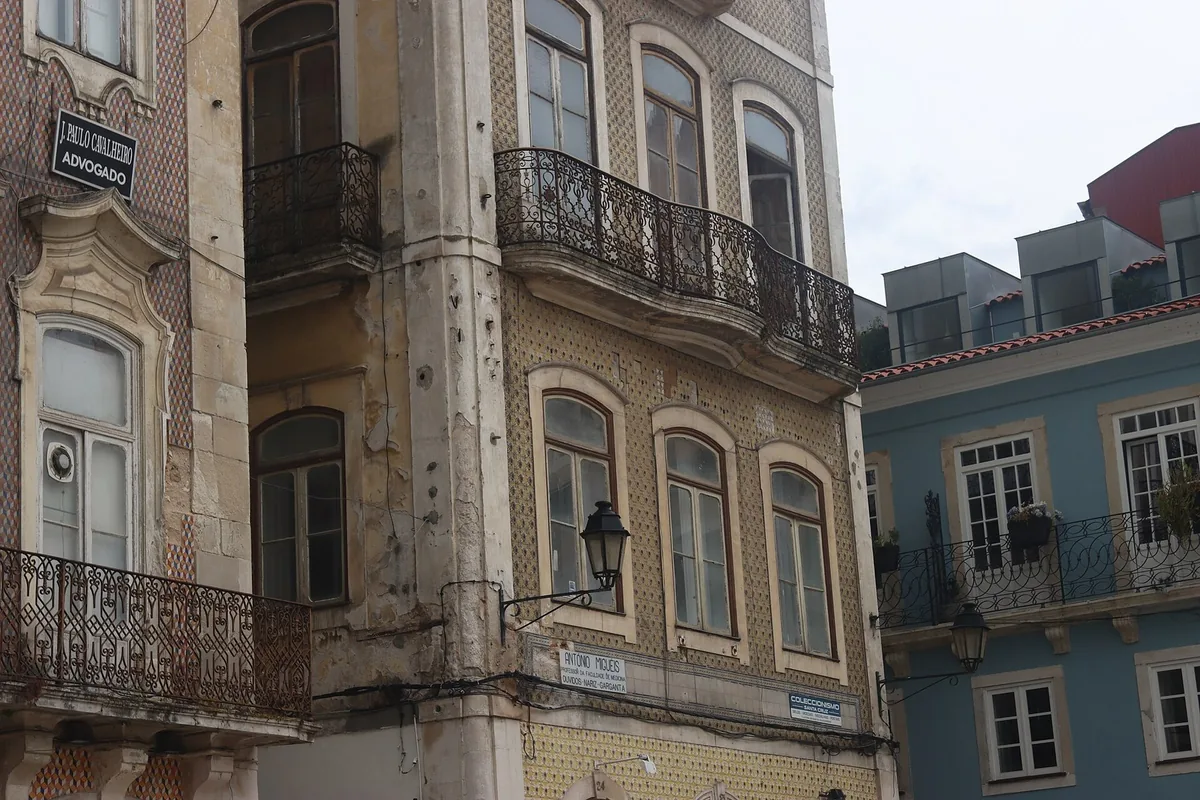
Refeitório da Baixa
The contemporary kitchen in the lower town: tuna ceviche, confit cod and rice dishes from the Mondego. The top price band in the Baixa, and no published figures.
 Tapas
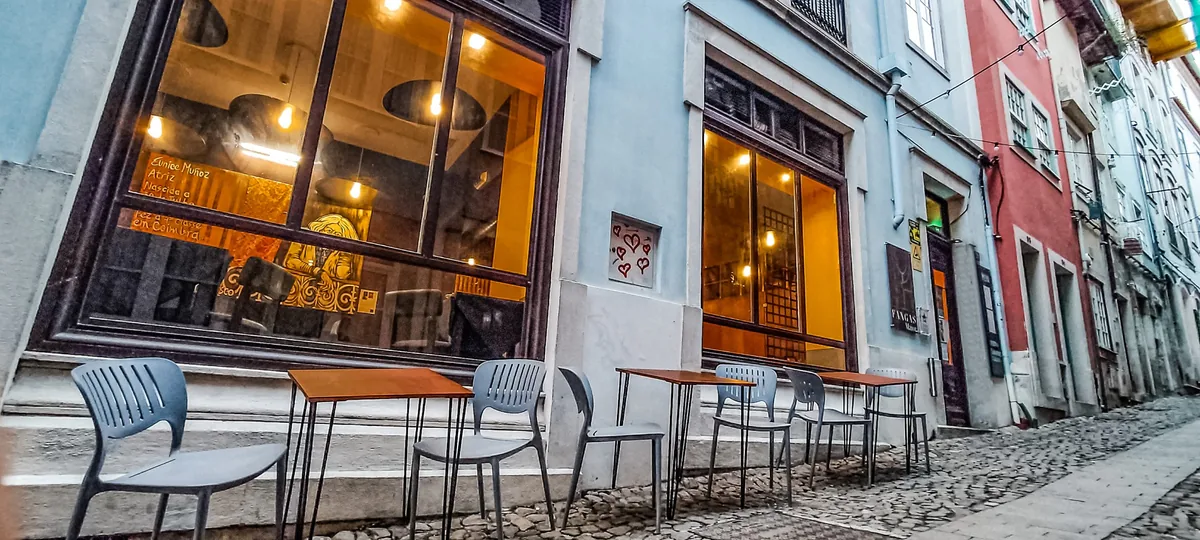
Fangas Mercearia Bar
A grocery-bar on the street that climbs to the Alta, serving Portuguese small plates. Almost nothing about it is published, so this page explains the format instead.
Know the local dishes before you choose a table
Two of these genuinely began in Coimbra. The third comes from the hills to the south, and knowing the difference changes how you order. All 8 local dishes.
 Dessert
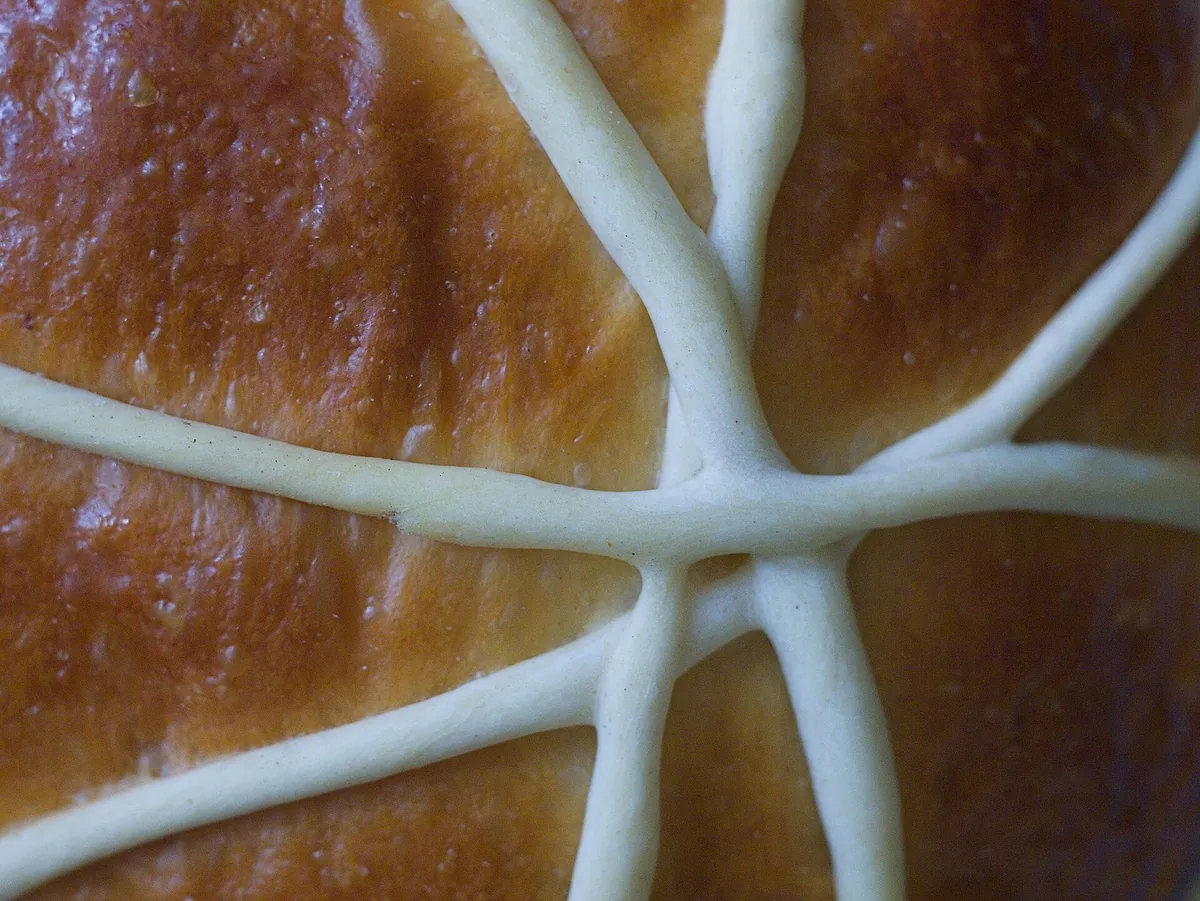
Arrufadas de Coimbra
A round, light sweet bread scented with cinnamon and aniseed, and one of only two sweets in this guide that genuinely originate in Coimbra itself.
 Dessert
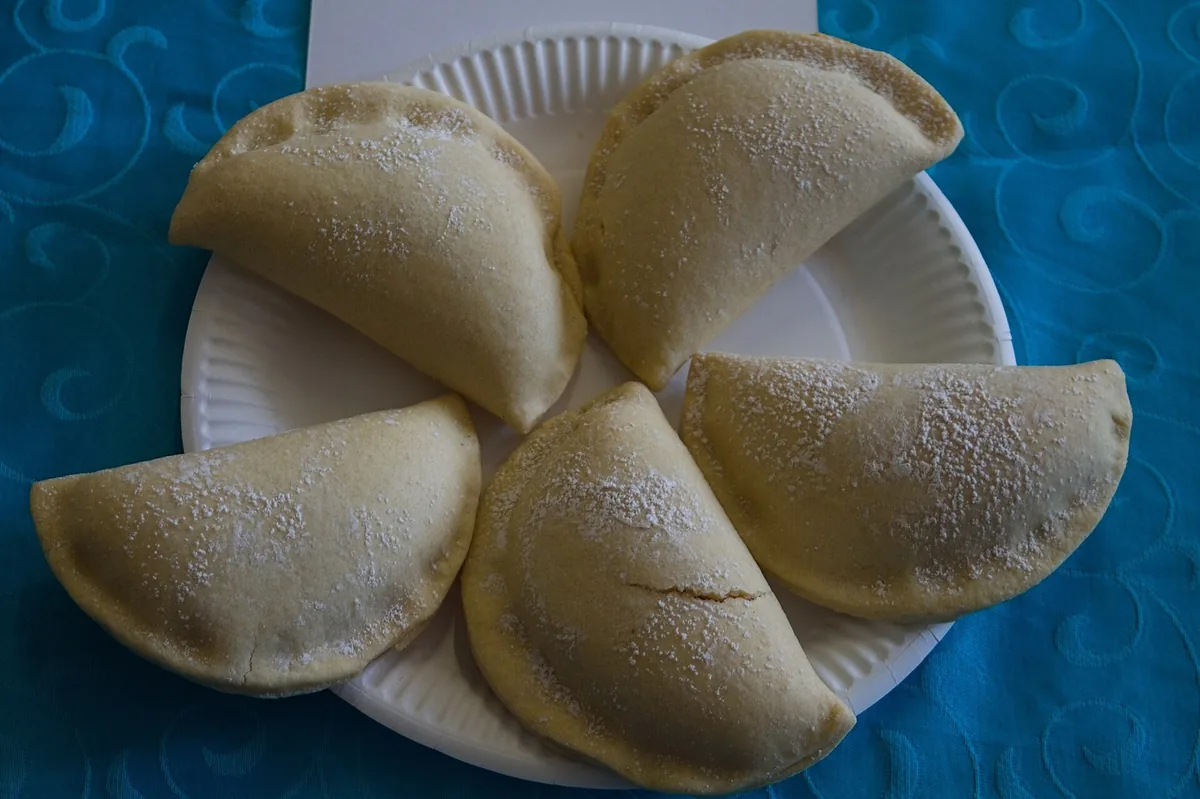
Pastéis de Santa Clara
Half-moon pastries filled with egg sweet and ground almond, from the Convento de Santa Clara. One of only two sweets that genuinely originate in Coimbra.
 Main course
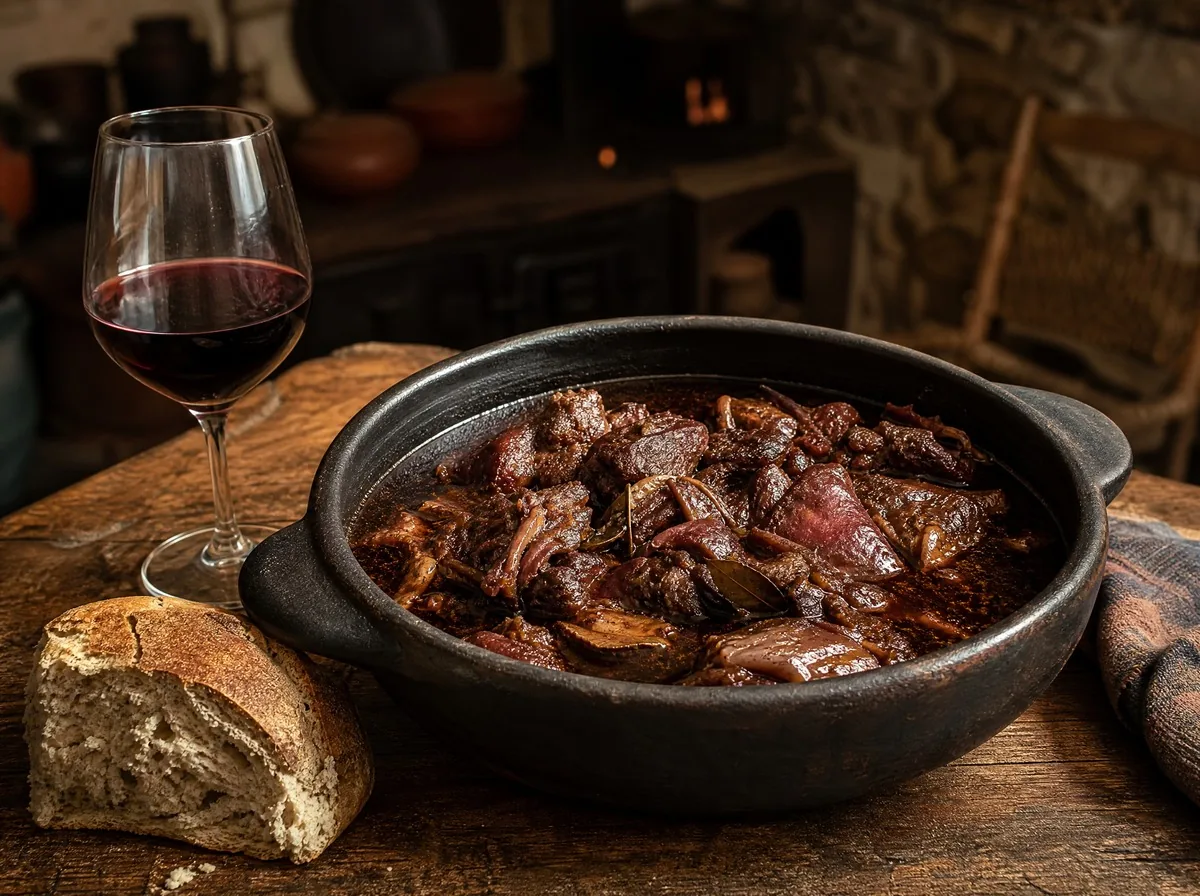
Chanfana
Old goat braised for hours in red wine in a sealed clay pot. From the hill country south of Coimbra, claimed by three towns, and not a city dish.
 Main course
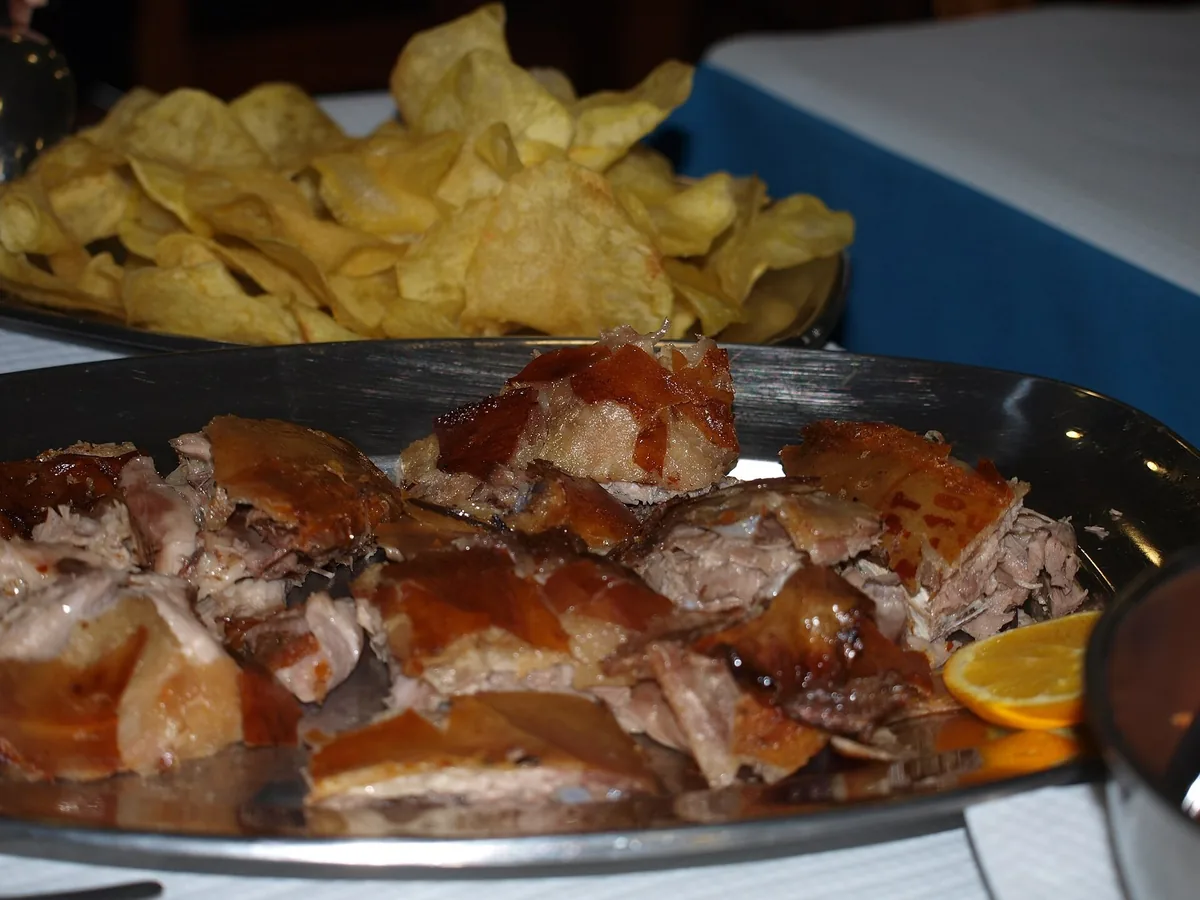
Leitão da Bairrada
Whole roast suckling pig with glass-thin crackling, from Mealhada in the Bairrada — twenty kilometres north of Coimbra and mostly in another district.
Our shortlists, kept current
Ranked shortlists with published prices where they exist and blank columns where they do not — including what we deliberately left off each list.
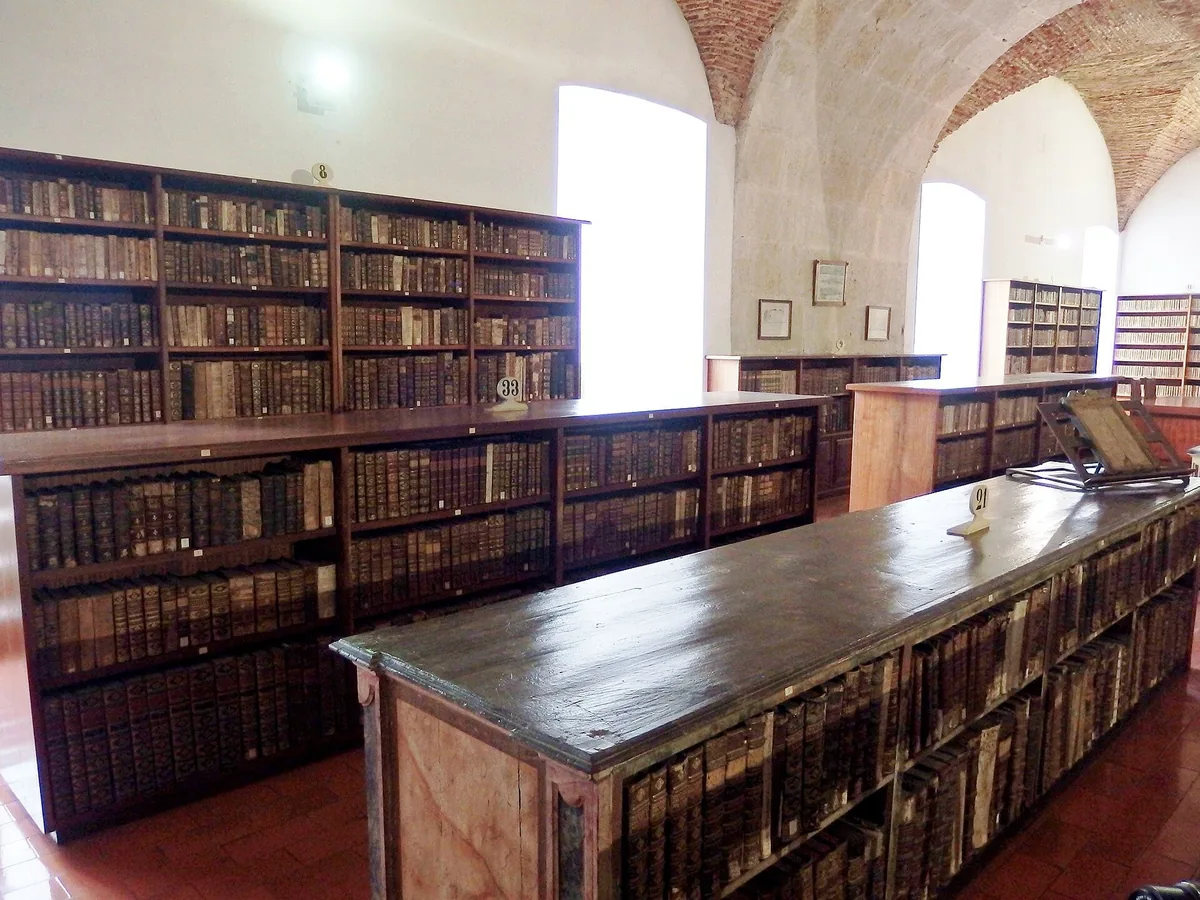
The Best Things to Do in Coimbra
Ten picks in order, with published prices and the reason each one earns its place. Three of them are free, and one of the famous ones is not on the list at all.
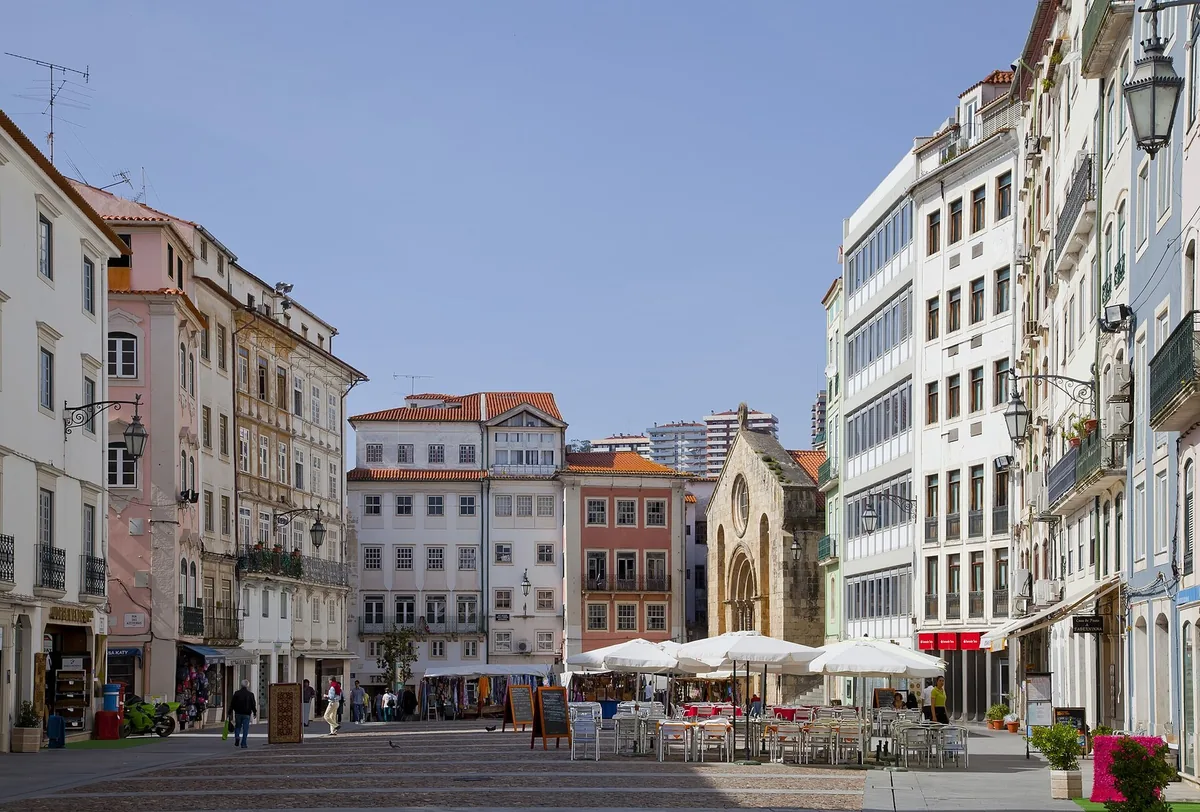
The Best Restaurants in Coimbra
Ten tables in order, with the price bands that exist and blank spaces where none do. Coimbra restaurants publish almost nothing, and this guide says so.
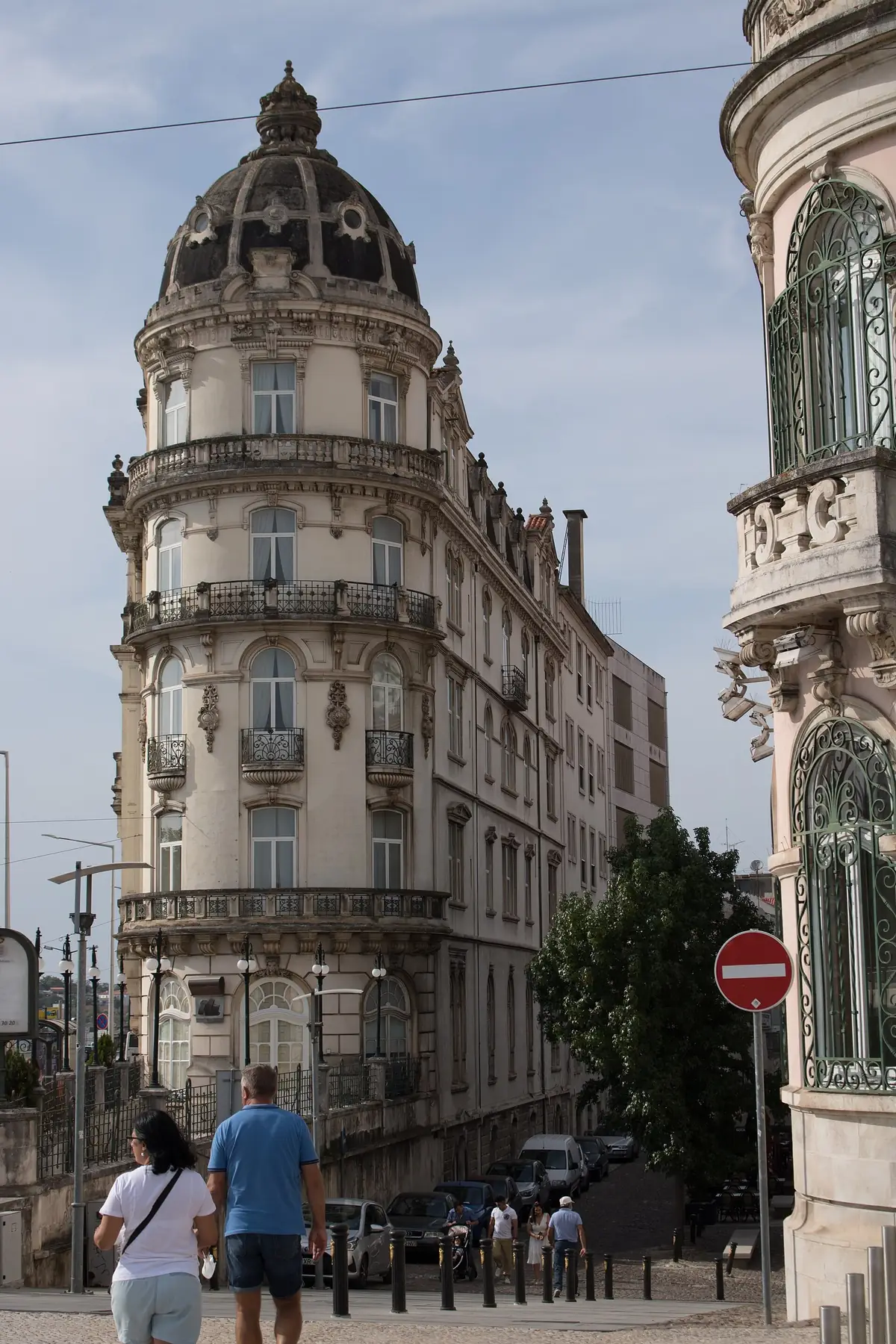
The Best Hotels in Coimbra
Eight documented stays in order, from an eighteenth-century palace to a hostel on the Old Cathedral square. No rates, because none are published, and no invented ones.
Hotels worth booking
A 1926 flat-iron landmark on flat ground, a boutique rooftop inside the university quarter, and an eighteenth-century palace across the river.
 Boutique
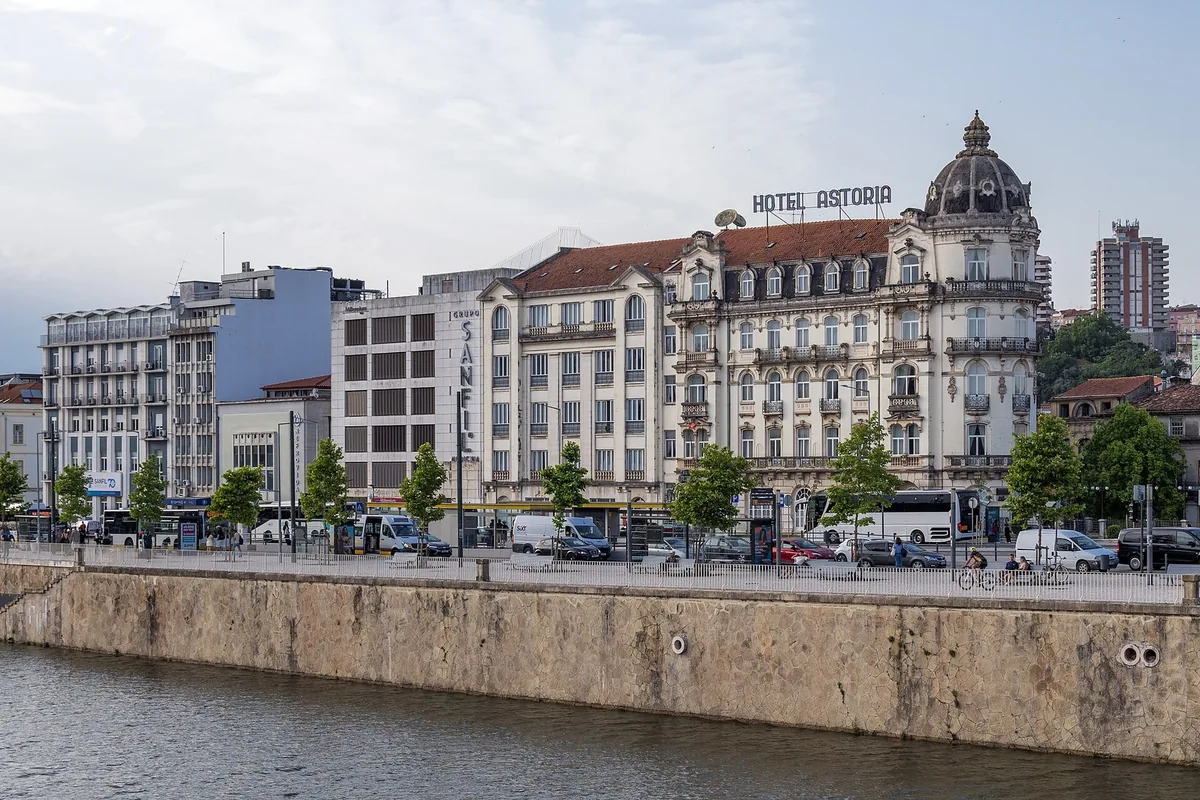
Hotel Astória
The flat-iron landmark on the riverfront avenue, designed in 1919 by Adães Bermudes and opened in 1926. Art Nouveau, not art deco, and flat ground all round.
 Boutique
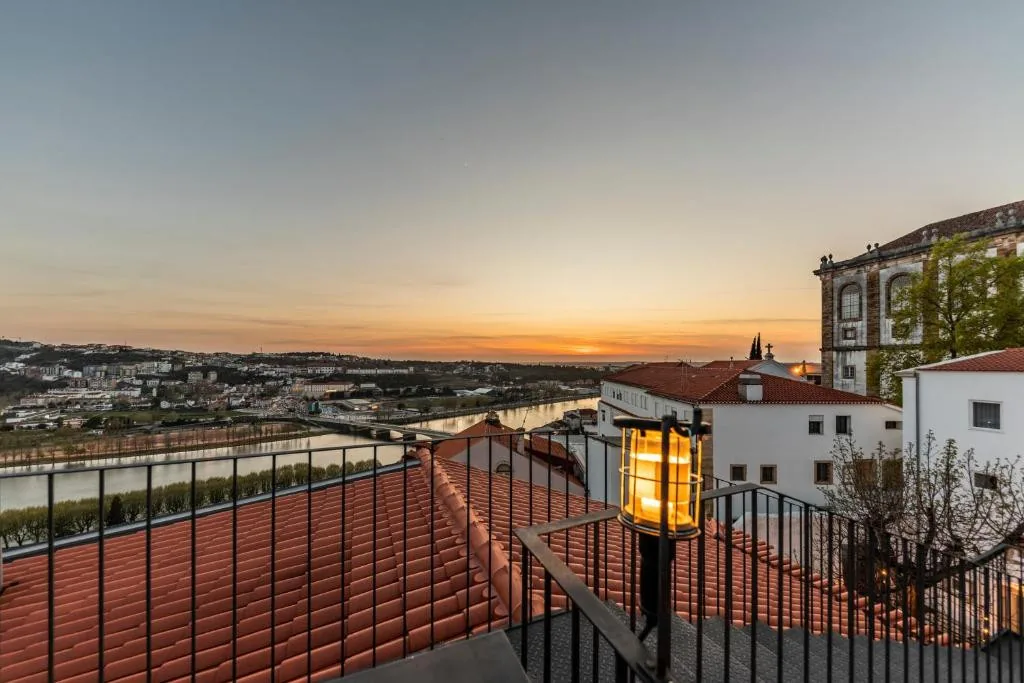
Sapientia Boutique Hotel
A boutique address inside the university quarter, with a rooftop facing the Joanina Library and the tower. Its hours and star rating are not published.
 Luxury
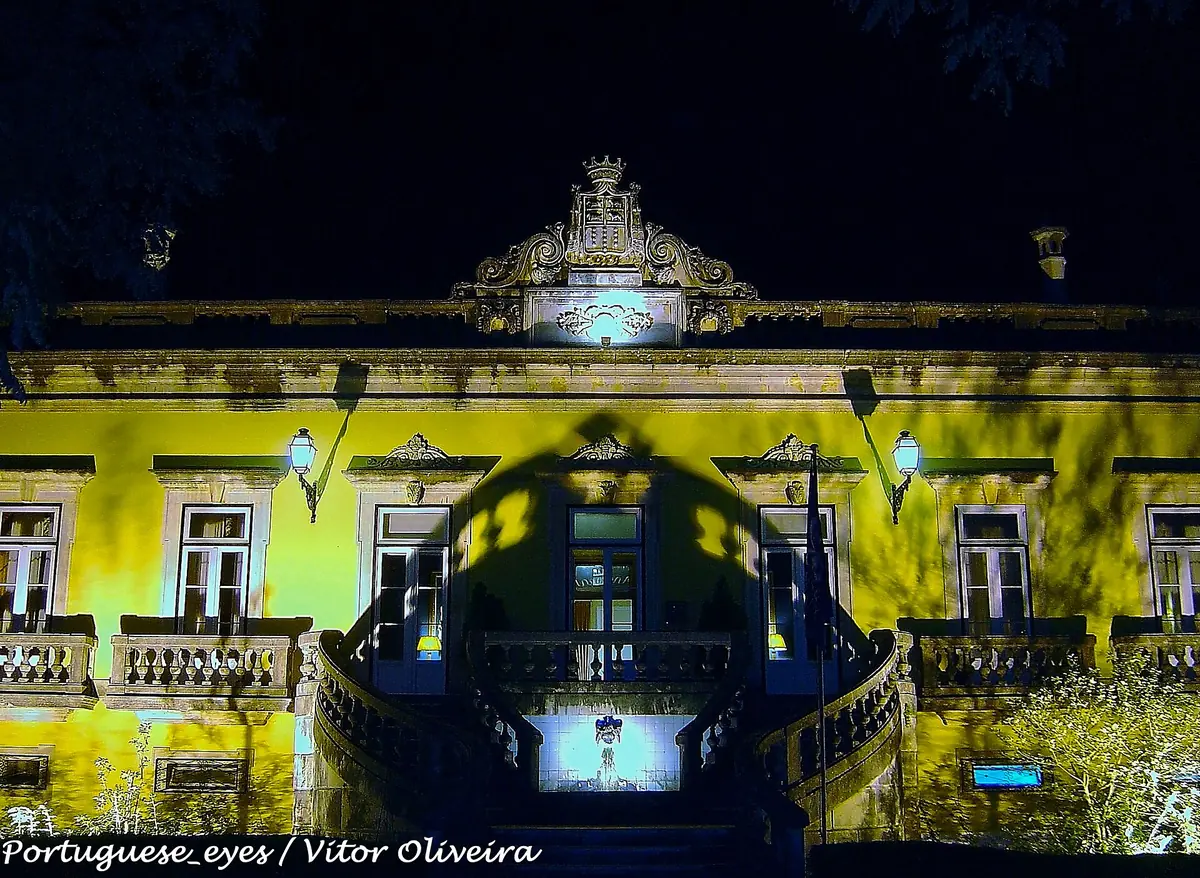
Hotel Quinta das Lágrimas
★★★★★An eighteenth-century palace on the left bank, in grounds the hotel calls twelve acres, with a spa, golf and the most ambitious kitchen in Coimbra downstairs.
 Budget
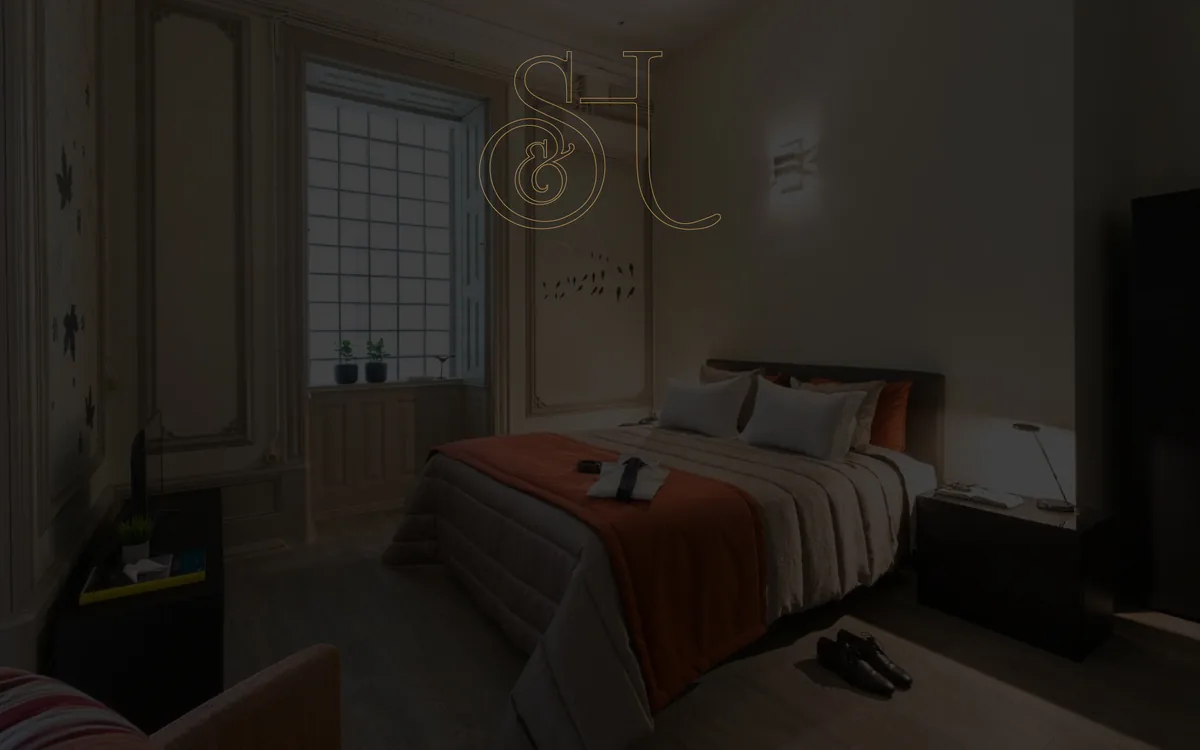
Serenata Hostel
Dorms, doubles and suites on the Old Cathedral square, in a restored building that was once a maternity institute and later Coimbra’s music conservatory.
Explore Coimbra on foot
Two free routes: the descent that solves the hill by only asking you to climb it once, and the riverside, which is the only angle from which the whole city makes sense.
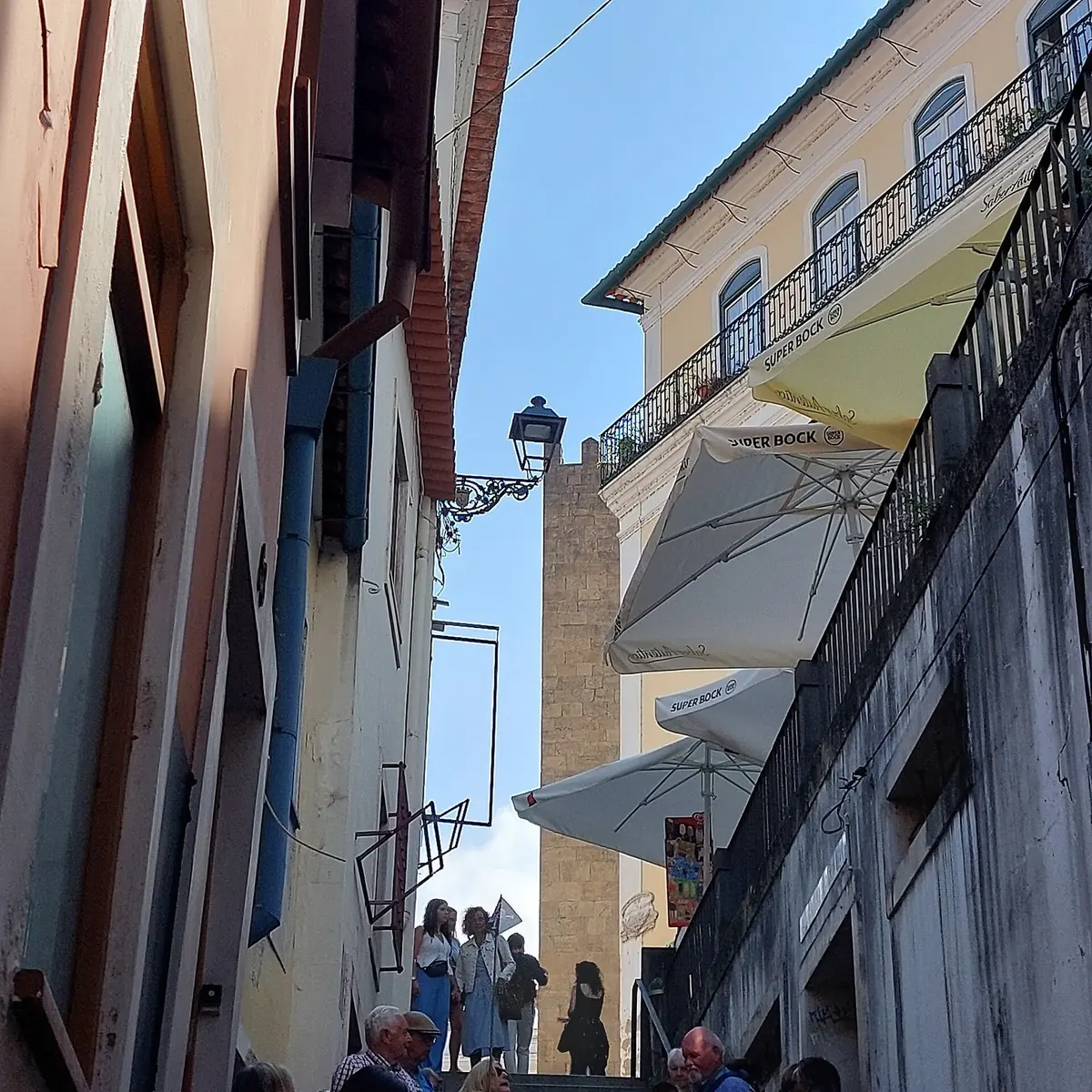
Alta to Baixa Descent
The right way through Coimbra: start at the university courtyard and walk down, past two cathedrals and through the town gate, to the royal tombs on Praça 8 de Maio.
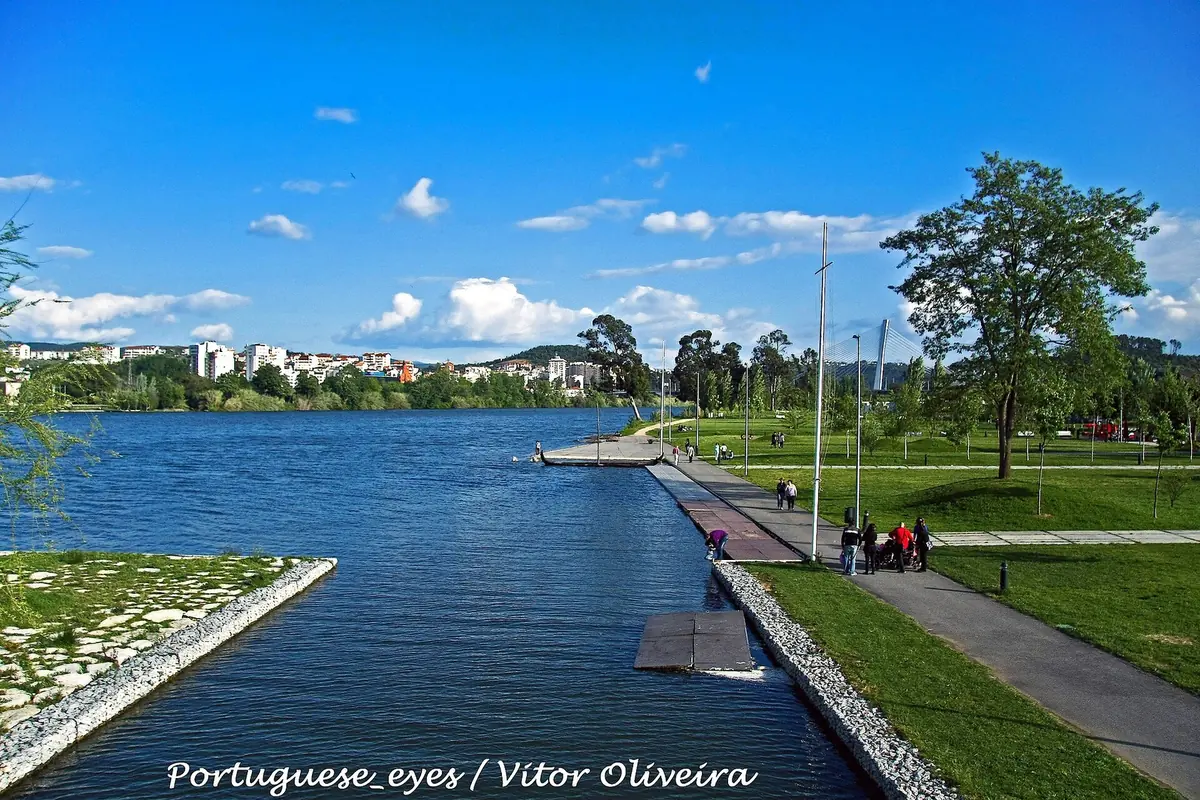
Mondego Riverside Walk
The flat half of Coimbra: both banks of the Mondego, the footbridge, and the only angle from which the whole hill town makes visual sense. Free.
Latest articles
Long-form deep-dives on Coimbra’s history, food and culture, written by resident correspondents.
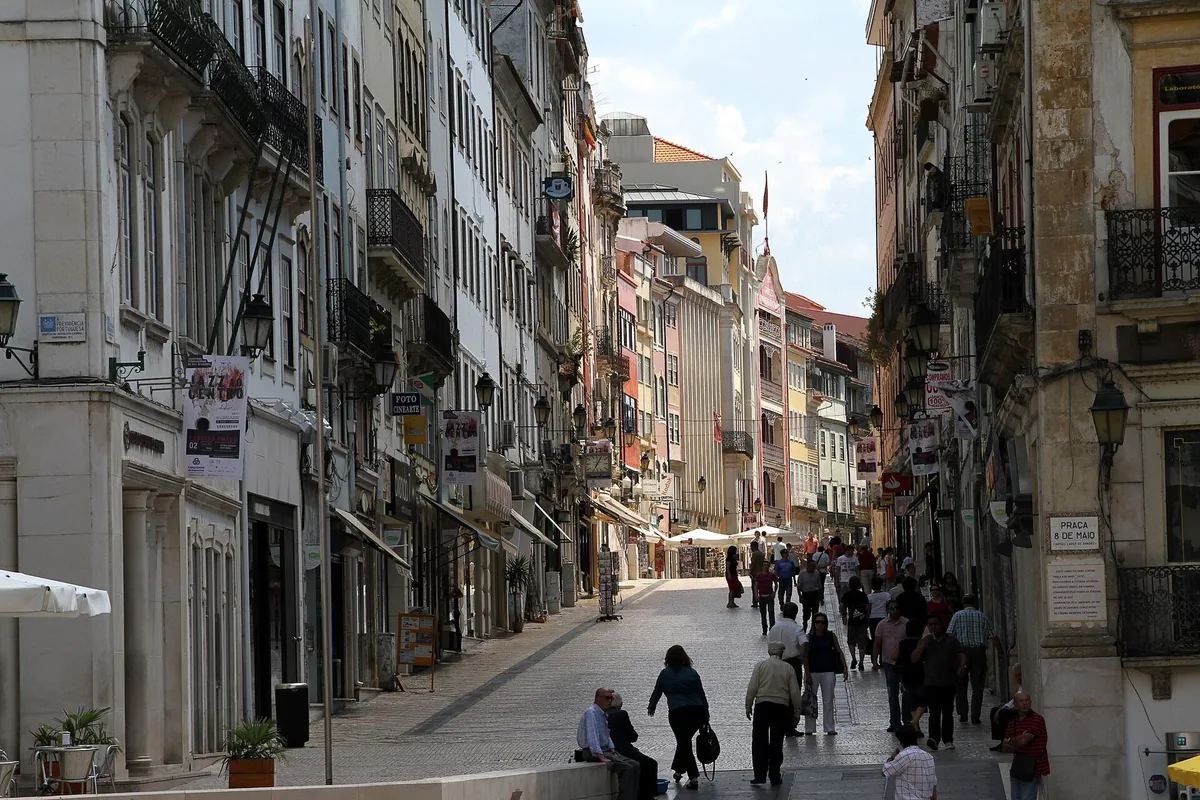
How to Pronounce Coimbra
Three syllables, stress on a nasal middle one, and a soft unstressed ending. The common English error is treating the “oi” as a diphthong, which it is not.
Read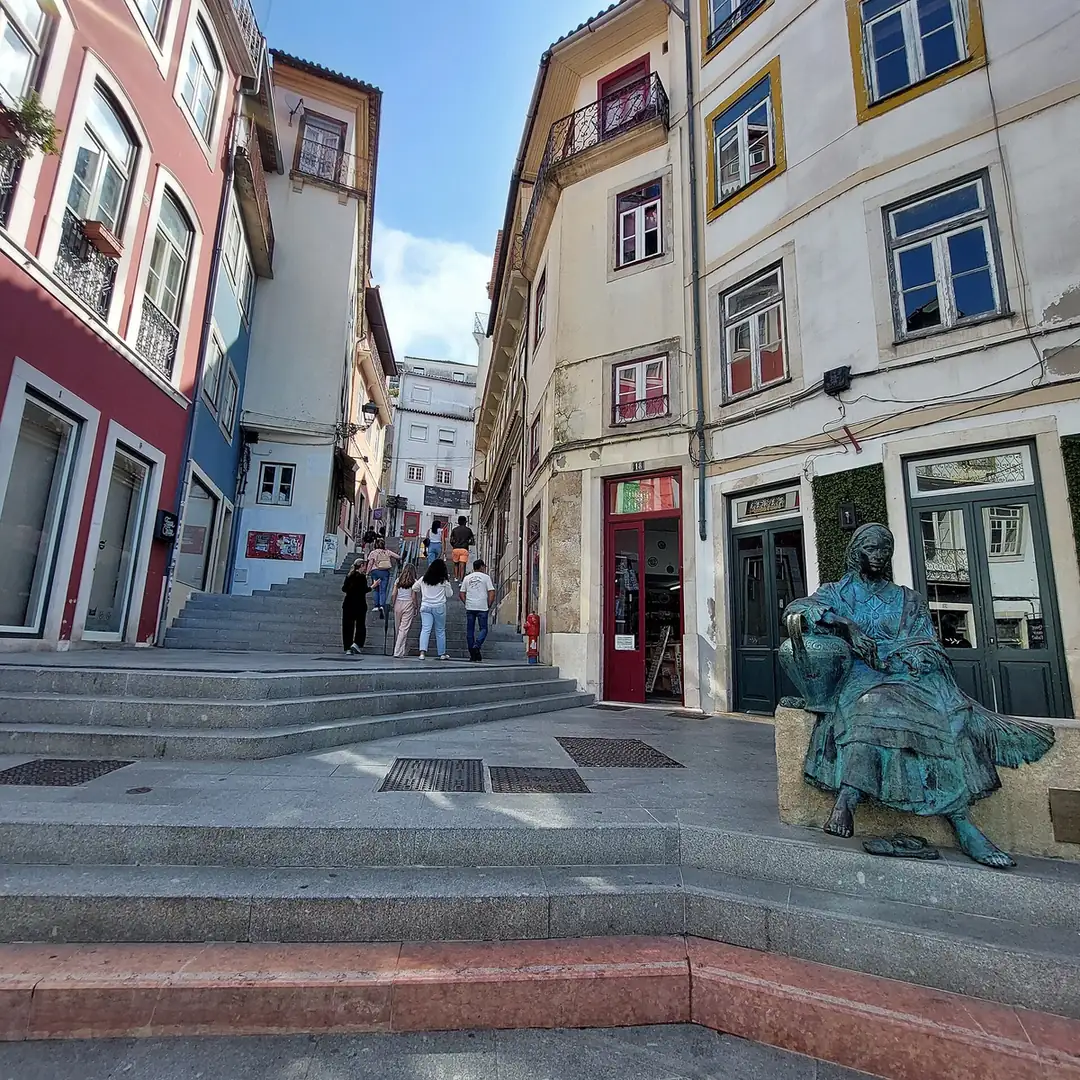
Is Coimbra Walkable
Everything worth seeing is within a 25-minute walk, and almost all of it is uphill. The lift rises 51 metres, runs to 21:00, and is the single most useful thing here.
Read
The Coimbra-B Shuttle That Ended
A free four-minute train linked Coimbra-B to the centre for decades. It stopped on 12 January 2025 and the corridor became a busway. Most guides have not noticed.
Read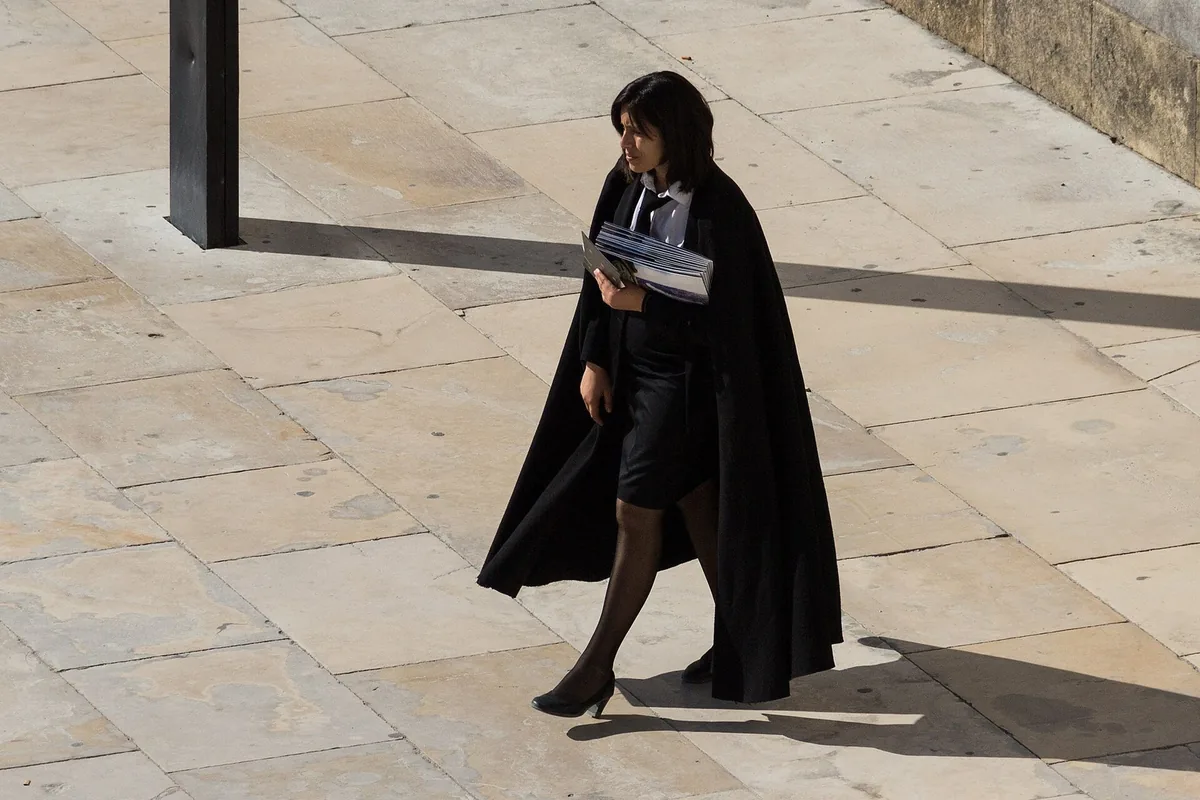
Why the Students Wear Black Capes
A black suit and a long black cape, worn by choice rather than rule, and a festival built on burning the ribbons that go with it. What is documented, and what is not.
ReadBrowse Coimbra by category
Every monument, museum, restaurant, neighbourhood and guide we cover, grouped so you can jump straight to what you’re planning.
 Inês CarvalhoThe university, monuments & UNESCO
 Tomás PereiraGetting there, getting around, getting it right
 Sofia AlmeidaEating, drinking and the Academia
Good to know before you go
Answers to the most common questions to help you organise your stay in Coimbra.
Is Coimbra worth visiting?
Yes, for one or two days — but three headline sights are closed with no reopening dates: the Machado de Castro museum since February 2026, Santa Clara-a-Velha since October 2025, and the University Tower. Our verdict page says who should skip it.
How many days do you need in Coimbra?
One for the city, two if you want a day trip. The university circuit has a stated average of three hours, everything else is within a twenty-five-minute walk, and the two largest museums are currently shut. See the one-day itinerary.
How do you visit the Joanina Library?
Only inside a combined university ticket — 16.50 EUR self-guided or 25.00 EUR guided. Entry is fifty people every twenty minutes at a fixed time, with no exchanges or refunds, and photography on the Noble Floor is prohibited. The ticket guide has all six programmes.
Which station do trains to Coimbra use?
Coimbra-B, about two kilometres north of the centre. The connecting train to the central station was permanently deactivated on 12 January 2025; a free Metro Mondego transfer replaced it, and since 10 September 2026 the Metrobus serves Coimbra-B directly. See Coimbra-A vs Coimbra-B.
Is Coimbra walkable?
Yes, and it is steep. The whole historic centre fits inside a twenty-five-minute walk, but the university sits on a hill above the river. The only published vertical figure is the Elevador do Mercado’s 51-metre rise.
What food is Coimbra actually known for?
Two things genuinely began here: arrufadas and pastéis de Santa Clara. Leitão is Bairrada, chanfana is the Lousã hills, pastel de Tentúgal is Montemor-o-Velho. The food guide sorts them out.
How is fado de Coimbra different?
It came out of the university rather than the urban poor, it is a serenade rather than a seated lament, it is sung by men in the black academic cape, and its guitar is tuned a whole tone below the Lisbon instrument. There is a free session twice a day — see the fado guide.
Start with the hill, then decide
The Alta is the UNESCO quarter and the climb; the Baixa is flat, full of restaurants and five minutes below it; Santa Clara is across the river. Each one shapes a different trip.
Explore neighbourhoods