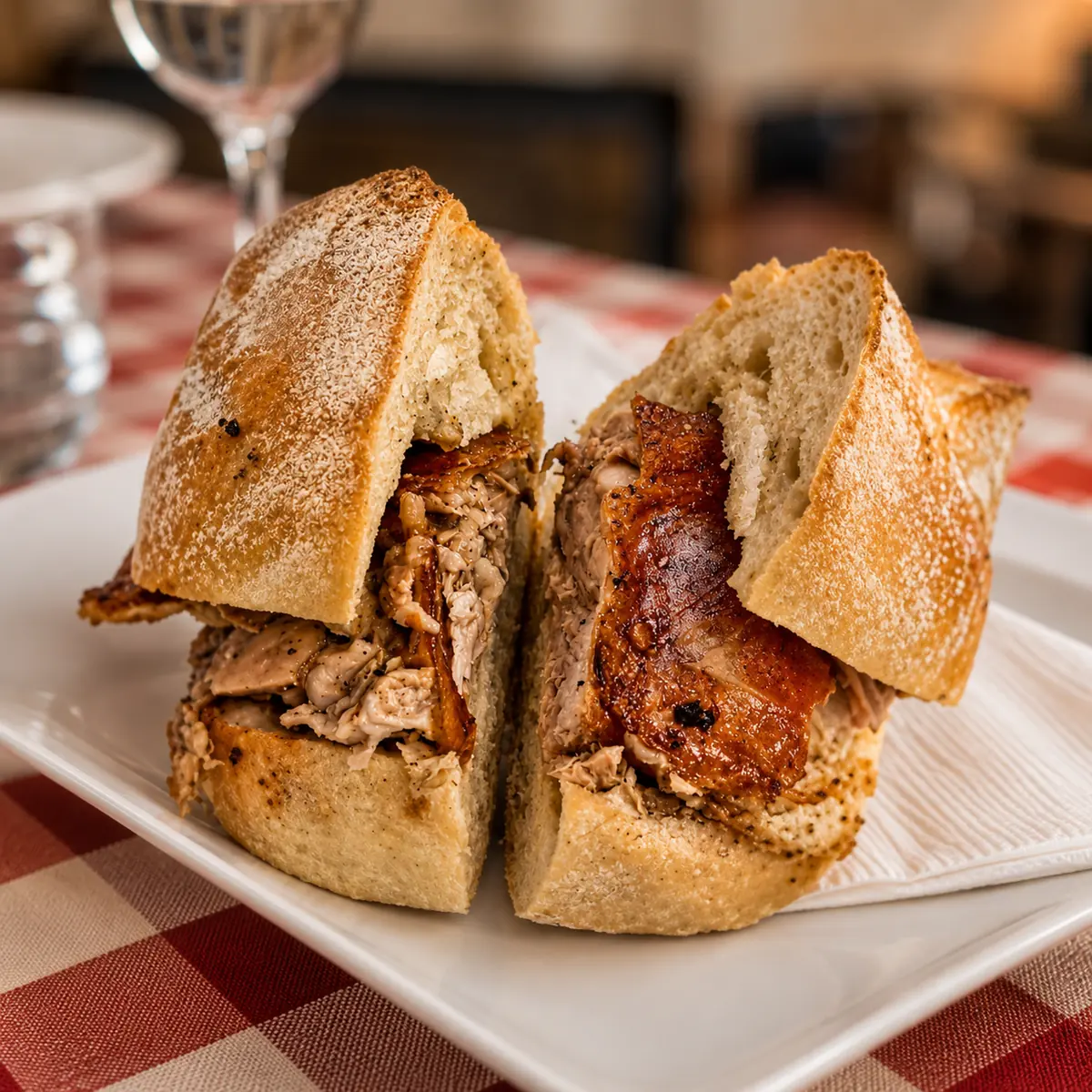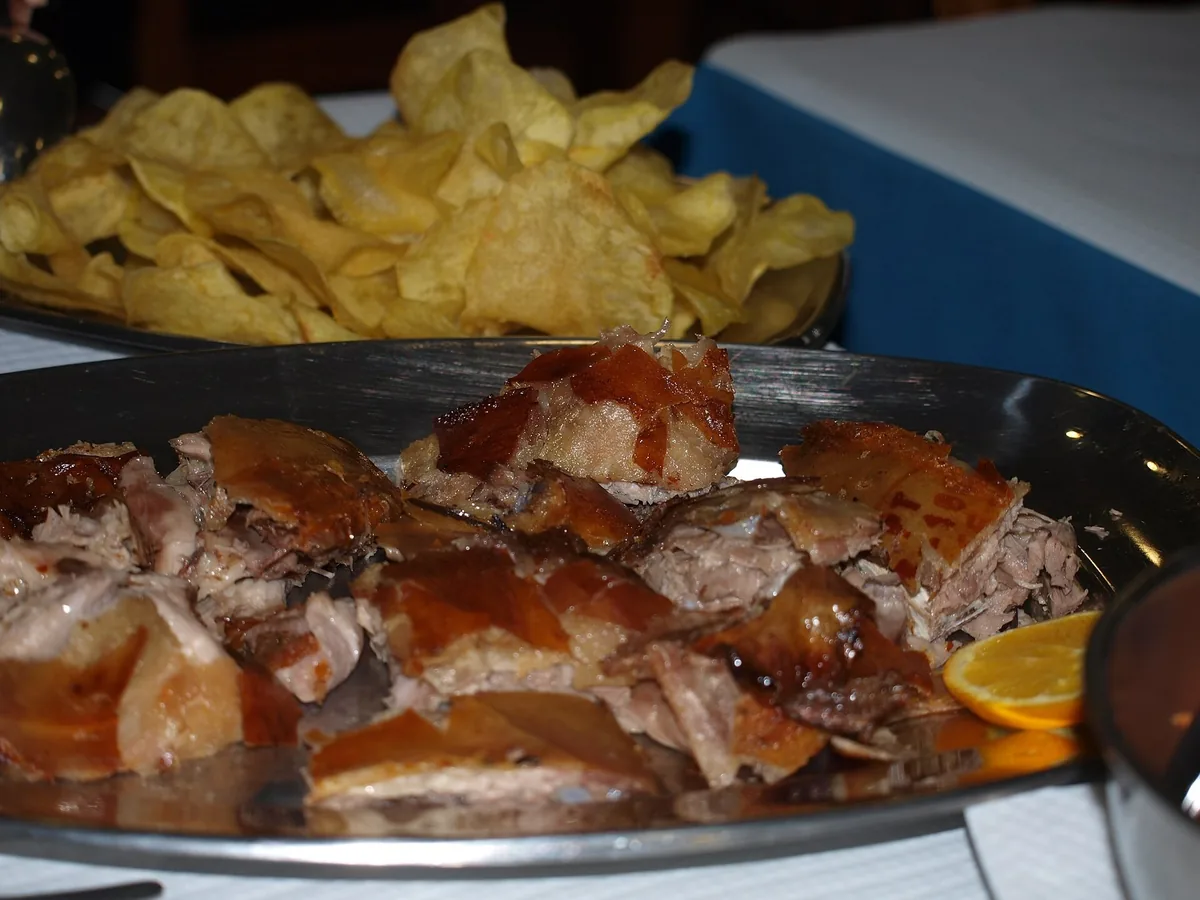

The skin is the whole argument. Lacquered to the colour of a conker and no thicker than a fingernail, it does not cut so much as break, and the sound it makes under a knife is the reason people drive out of Coimbra to eat this. Underneath is meat from an animal too young to have developed much flavour of its own, which is the design: it carries the garlic, the pepper and the lard rubbed into it, and very little else.
Here is the thing every Coimbra guide should say and most do not. Leitão da Bairrada is not a Coimbra dish. It belongs to the Bairrada, the demarcated country centred on Mealhada, about twenty kilometres north of the city and largely in the district of Aveiro. Coimbra restaurants serve it, and there is nothing wrong with eating it here. But it is a guest.
Where it belongs
The Bairrada is a stretch of country between Coimbra and Aveiro, and Mealhada is its capital for this purpose. The old national road through the town is lined with roasting houses, several of them founded before the motorway existed, feeding people driving between Lisbon and Porto.
That is the difference between a dish’s home and a dish’s menu. In Mealhada, leitão is an industry with eighty years of continuous trade behind it. In Coimbra it is something a restaurant has decided to offer.
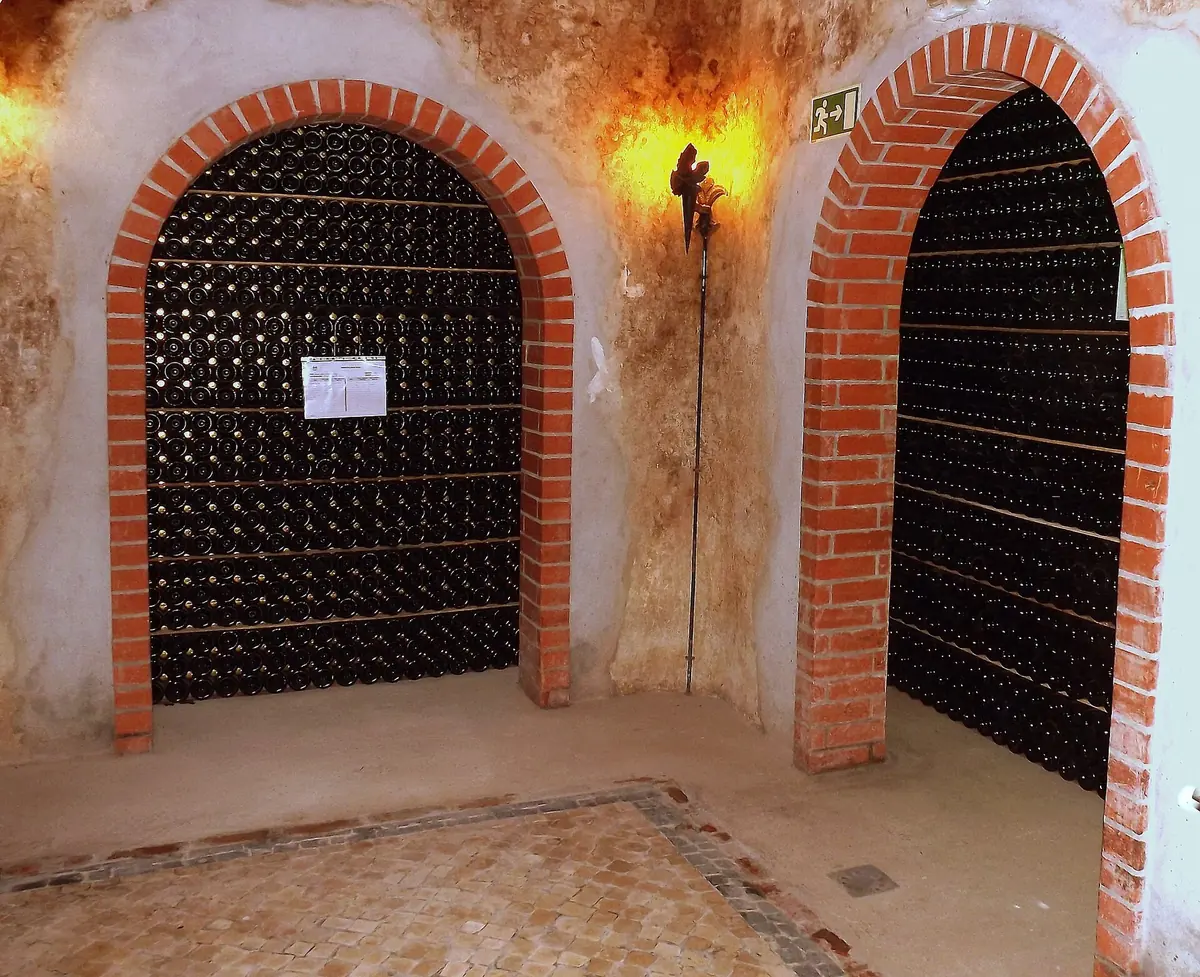
Guia Repsol, a named publication, documents three of the Mealhada houses. Pedro dos Leitões, founded 1941, on the EN1 at Rua Álvaro Pedro 1. Rei dos Leitões, founded 1947, on the EN1 at Avenida da Restauração 17, which moved to fine dining in 2010 and keeps a wine list of 4,200 references. Churrasqueira Rocha, founded 1979, on the EN234.
Twenty kilometres is a short drive and the dish is measurably better where it lives. If your trip has a car and a spare afternoon, that is the honest recommendation.
Why we do not print “IGP”
You will see “Leitão da Bairrada IGP” written all over the internet. We are not writing it, and here is why.
A certification process for the name has been under way, run with the Associação Rota da Bairrada as qualifying body, and the Câmara Municipal da Mealhada has published on its progress. Whether the IGP registration has actually completed is something we could not confirm on 15 September 2026.
Protected designations are a matter of public record and we print them when we can verify them: the pastel de Tentúgal carries a registered IGP with an EU database number, and Queijo Rabaçal holds a DOP with a defined production zone. Both appear on those pages with the evidence attached.
“IGP” next to a dish name is a legal claim, not a decoration. Where we cannot verify one, we say so and leave it off, which is the only defensible position for a guide that also expects to be believed about prices.
What it costs, where it is documented
No Coimbra restaurant publishes a price for leitão. The Mealhada houses, via Guia Repsol, do, and those figures are the best calibration available — snapshots at our read date of 15 September 2026, not promises.
Pedro dos Leitões: roast leitão at 52 EUR per kilo; iscas de leitão at 18 EUR.
Rei dos Leitões: a leitão dose at 25.50 EUR; the Morgado do Bussaco dessert at 8 EUR.
Churrasqueira Rocha: leitão sandwiches at 7.50 EUR.
The shape of that is worth absorbing before you order anywhere. A sandwich is a single-figure lunch. A plate is in the mid-twenties. Buying by the kilo is how the serious houses sell a whole animal to a table. Establish which system a restaurant uses before you order for a group, because the difference between a dose and a kilo is substantial.
How to eat it
Two ways, and they are genuinely different meals.
The sandwich is the everyday version: pork and crackling in a soft roll, eaten standing or in a car, no cutlery, and one of the great cheap lunches in Portugal. It is what people in this region actually eat most often, and it travels better than the plate does.
The plate is the sit-down affair: slabs of pig with the skin intact, orange slices, potato, and a peppery garlic sauce made from the roasting juices. It is rich and unsubtle and half a portion between two is plenty unless you have walked up the hill first.
Drink Bairrada sparkling wine, from the same region as the pig. The acidity and the bubbles cut a very fatty dish, and the pairing is functional rather than ceremonial — though be aware that our page on that wine is honest about how little we could verify. A cold light red does the same job.
Judge the crackling. It should shatter. If it is soft or chewy, the roast was rushed or it has been standing, and no sauce rescues it.
Eating it in Coimbra
One address in the city is documented. João dos Leitões, at Rua da Gala 45, banded € by the travel writer Ola Daniela, who records both leitão and leitão sandwiches. No opening hours, telephone number or website are published for it.
That is a perfectly reasonable way to eat the dish if your trip is short and Mealhada is not happening. Go for the sandwich in particular, which suffers least from being served away from home.
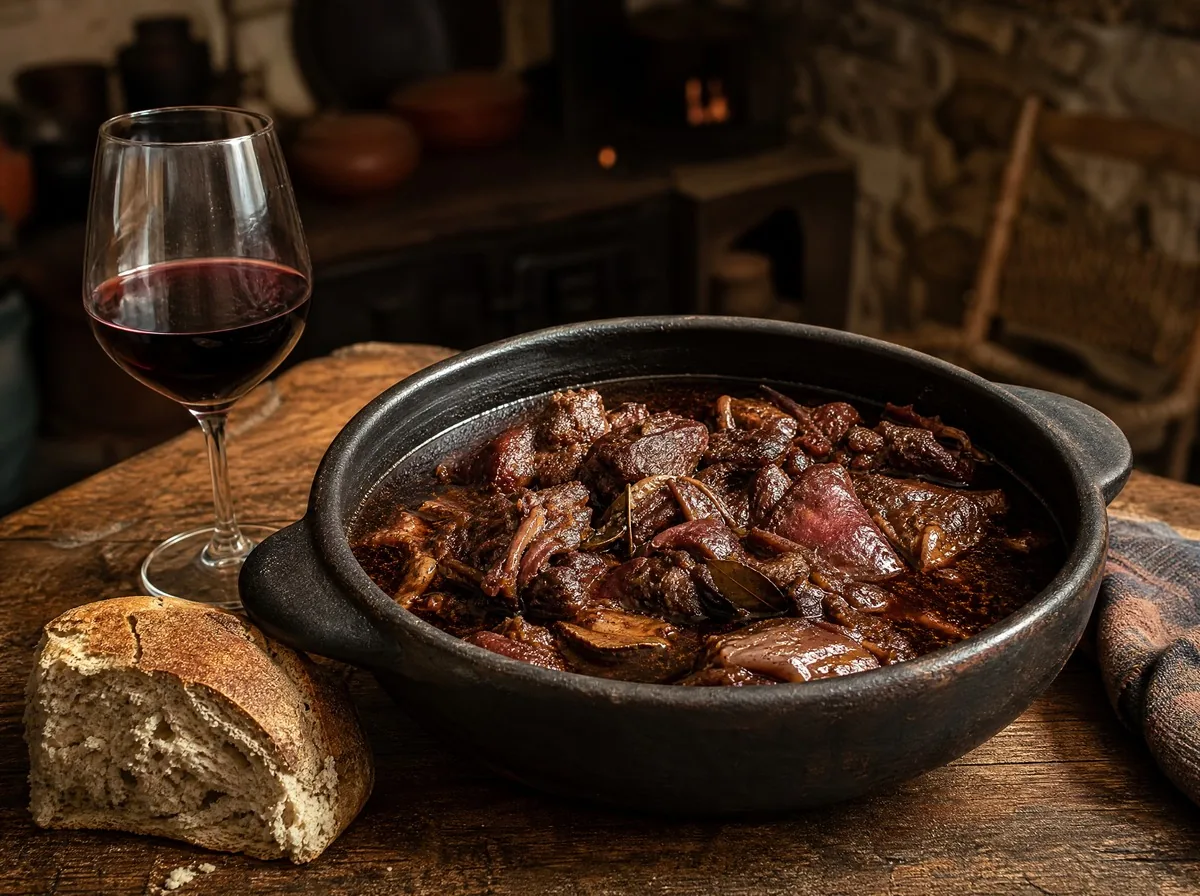
What you should not do is come away thinking you have eaten a Coimbra speciality. The city’s own contributions are conventual sweets — arrufadas and pastéis de Santa Clara — and everything else famous around here belongs to a neighbouring town: chanfana to the southern hills, pastel de Tentúgal to Montemor-o-Velho, Queijo Rabaçal to a DOP zone that excludes the city.
The full sorting is in what to eat in Coimbra, with the evidence for each attribution set out.