Write 17:55 on your hand
Three buses a day means the last one is not a suggestion. The weekday return from Conímbriga is 17:55, arriving Coimbra 18:33; after that it is a taxi across open country.
Practical guide
Two days in Coimbra means one day in the city and one day out of it. The second day lives or dies on a bus timetable.

Writes the transport and planning pages, and re-reads the operators’ own notices whenever Coimbra changes how you move through it.
UpdatedThe whole historic city on foot
A full day out; back for dinner
Everything about day two is decided before you leave. SIT line 209 runs three services a day in each direction, and on the timetable in force from 4 September 2026 the weekday departures from Coimbra (Portagem) are 09:00, 09:30 and 12:30, with returns from Conímbriga at 13:25, 16:25 and 17:55.
At weekends it is thinner. Saturdays give you two returns, 13:25 and 18:25; Sundays 13:55 and 18:25. The 13:25 Saturday return leaves you barely three hours on site including the walk from the stop, so the realistic weekend pattern is the 09:30 out and the 18:25 back — eight hours for a three-hour site.
Take the 09:00 on a weekday. You get the best-preserved Roman town in Portugal largely to yourself for the morning, and 17:55 stops being a threat.
We do not publish the fare. SIT publishes timetables but not fares on the pages we could reach, and a guessed bus fare is exactly the kind of small invention that discredits everything around it.
Because it is where the name came from. English Wiktionary derives Coimbra from Latin Conimbriga — the place now called Condeixa-a-Velha — and notes the two words are doublets: the same word, arrived twice.
The subtlety most guides garble is worth getting right. Roman Coimbra was Aeminium. When Conímbriga declined, the city inherited its neighbour’s name along with the bishopric. The parish history of the Sé Velha puts it plainly: Coimbra has been an episcopal seat since the fifth century, succeeding neighbouring Conímbriga.
So the day trip is not a detour from the city. It is the city’s own origin, sixteen-odd kilometres down the road — and we say “odd” deliberately, because no official source publishes the road distance and we are not going to print one.
The site is open daily 10:00–18:00 at 10.00 EUR per adult, closed on 1 January, Easter Sunday, 1 May, 24 July and 24–25 December.
A second day in Coimbra itself is a real option, and it changes the shape of day one — you can slow down and buy the ticket properly rather than sprinting.
What is available: the free Botanical Garden, thirteen hectares and part of the same 2013 UNESCO inscription, running to 20:00 in summer and 17:30 in winter. Across the river, Santa Clara-a-Nova with its two tombs of the same queen, and the Quinta das Lágrimas gardens where Inês de Castro was murdered in 1355, closed Mondays. The Penedo da Saudade, the students’ clifftop garden of verses, east of the centre.
Two things you cannot add: the Machado de Castro museum, closed since February 2026, and Santa Clara-a-Velha, closed since October 2025. Both are the obvious second-day choices in any older guide and neither has a reopening date.
The other alternatives are the coast at Figueira da Foz, the walled forest at Buçaco, or the canals of Aveiro.
The university ticket is valid two days. That is the quiet kindness in the whole structure, and it means you can split the circuit: library and palace on day one, the Science Museum side on the morning of day two if you are staying in town. Only the Joanina slot is pinned.
Sleep flat. The where-to-stay guide makes the case — two days of this itinerary is two days of climbing, and starting each morning at the bottom of the hill rather than the top is worth more than the view from a room.
Getting here and away: every long-distance train uses Coimbra-B, and the shuttle train that used to run into the centre was abolished on 12 January 2025. Read the station guide, because it also decides how your day-trip mornings start.
The university circuit, both cathedrals, Santa Cruz and an 18:00 fado show, in walking order and built around the one timed ticket you cannot move.
Friday night fado, Saturday for the university and the cathedrals, and a Sunday built only from places that open on a Sunday. The closures decide the order.
Reporter notebook
Three buses a day means the last one is not a suggestion. The weekday return from Conímbriga is 17:55, arriving Coimbra 18:33; after that it is a taxi across open country.
It is valid for two days and only the library slot is fixed. Do the library and palace on day one, and the Science Museum spaces on the second morning when you are fresh.
Conímbriga is an excavated Roman town with the roofs off. There is a shop and a café on site, but the mosaics themselves are in the open with no cover.
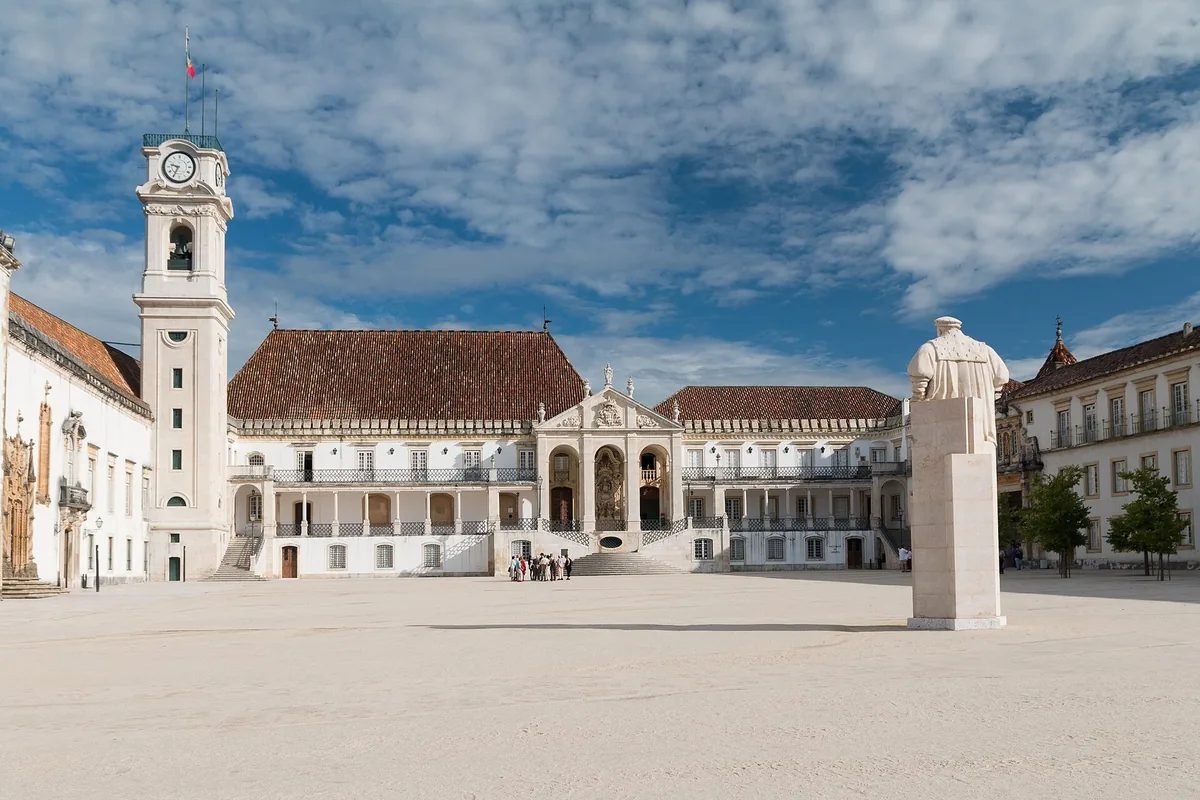
A guided circuit of the Paço das Escolas with admission included, timed so the Joanina slot does not clash with the rest of the visit.
Skip the line
✓ Verified GetYourGuide reviews
The Joanina runs on timed slots — 50 people every 20 minutes
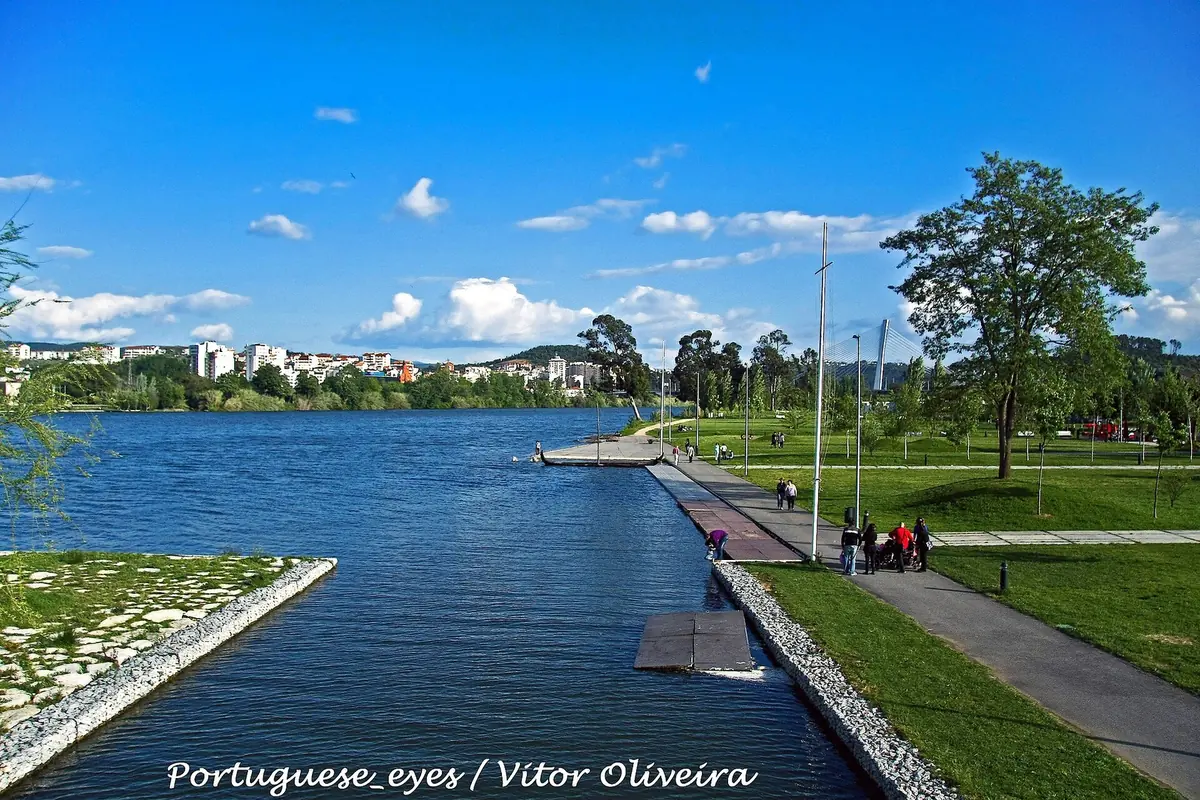
Fifty minutes on the Mondego looking back at the hill, which is the one view of Coimbra you cannot get by walking.
✓ Verified GetYourGuide reviews
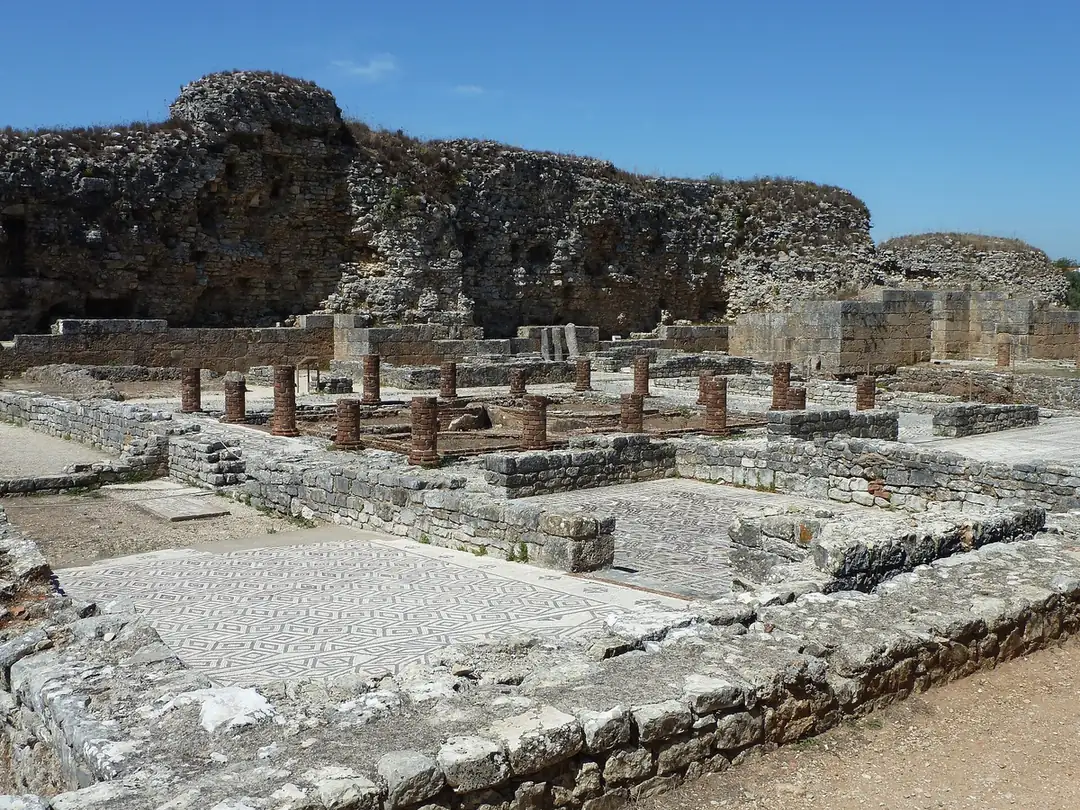
A private pairing of the Roman town and the library. Worth pricing against the bus: line 209 runs three times a day and the last weekday return is 17:55.
✓ Verified GetYourGuide reviews
Yes, and it is the right length: one day for the city and one for a day trip. The city alone fits into a single day at the moment because three major sights are closed.
SIT line 209 from Coimbra (Portagem), about 37 minutes. Three buses a day each way: weekday departures 09:00, 09:30 and 12:30, returns 13:25, 16:25 and 17:55.
17:55 on weekdays, arriving in Coimbra at 18:33. On Saturdays the returns are 13:25 and 18:25; on Sundays 13:55 and 18:25. There are only two returns at weekends.
10.00 EUR per adult, covering the ruins and the national museum on site. It is free for school groups booked in advance, and for residents in Portugal under the Acesso 52 initiative.
Yes, with one exception: the Joanina Library is fixed to the date and time printed on the ticket. Everything else on the programme can be visited before or after, across two days.
The free Botanical Garden, Santa Clara-a-Nova across the river and the Quinta das Lágrimas gardens, which are closed on Mondays. The Machado de Castro museum and Santa Clara-a-Velha, the obvious choices, are both closed indefinitely.
The museum is — no architectural barriers, adapted toilets and a wheelchair available to borrow. The ruins are not; the site states plainly that they do not yet meet the conditions.
Further reading