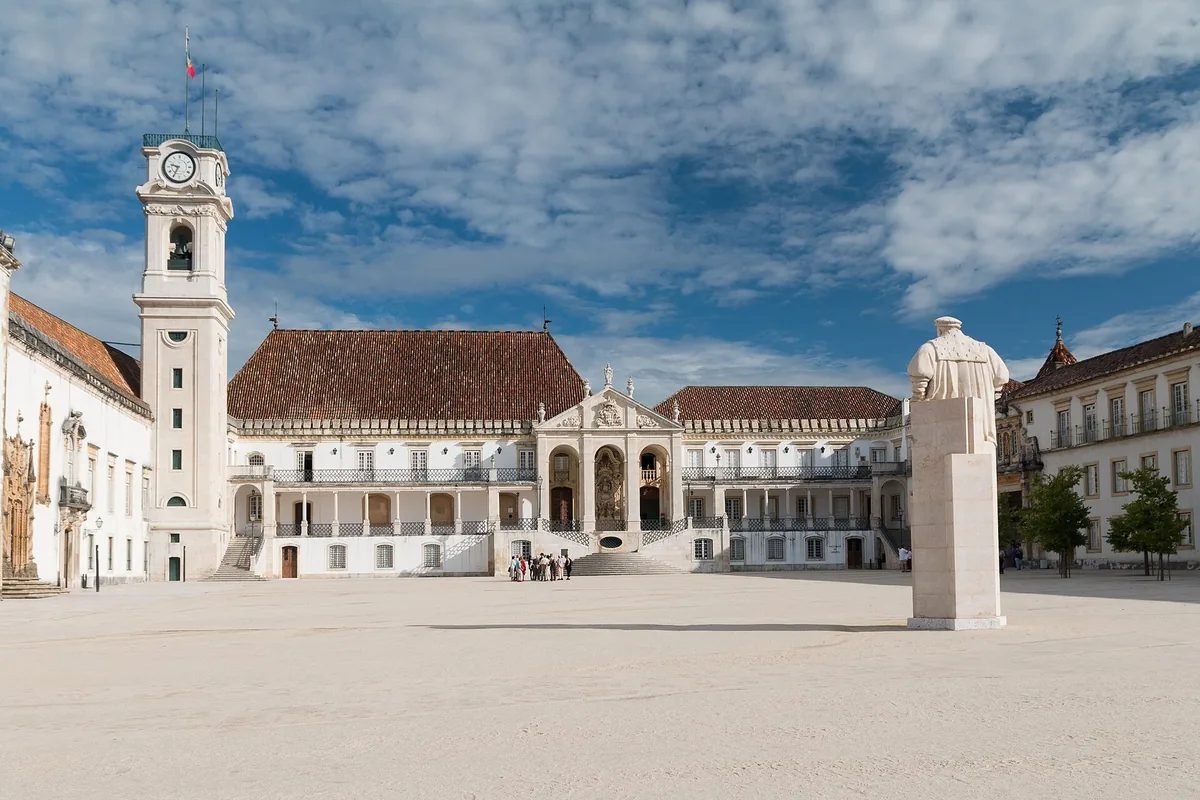

You meet the Alta as a gradient. The shopping street flattens out, a stone arch cuts across it, and behind the arch the ground simply goes up — stepped, cobbled, walled on both sides, climbing past doorways into shadow. Twelve minutes later you are on a bare square in front of a building that looks like a keep, and the city you left is somewhere below your knees. Everything the guidebooks came for is in the next four hundred metres.
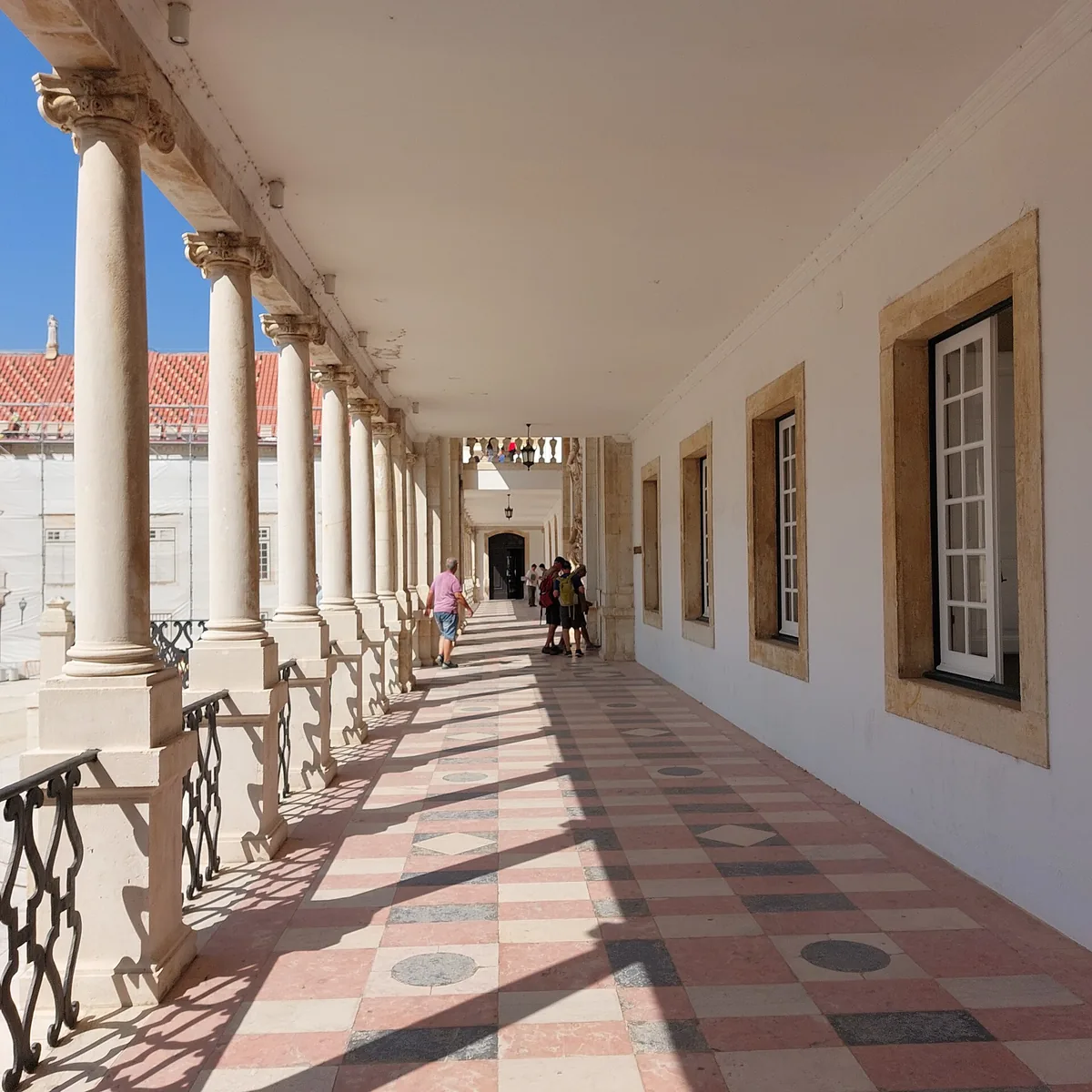
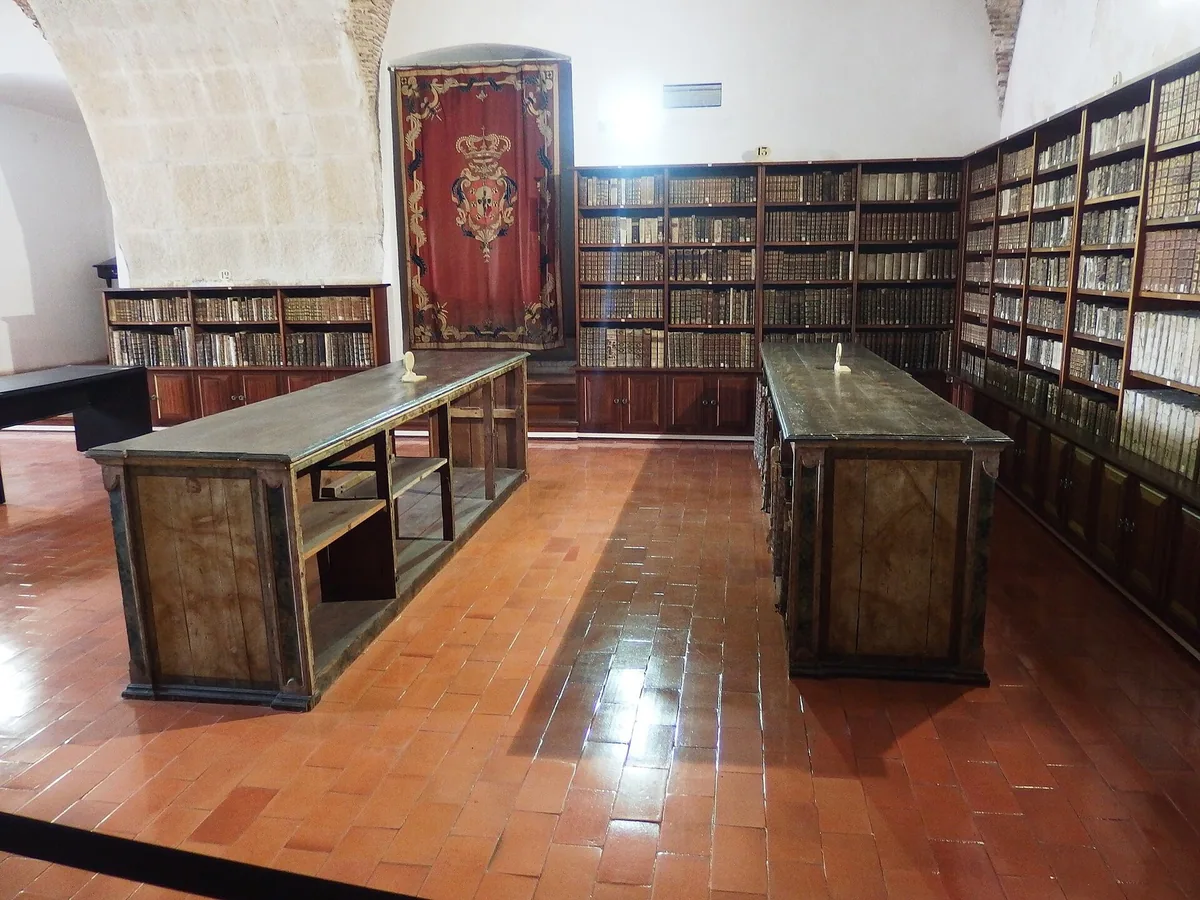
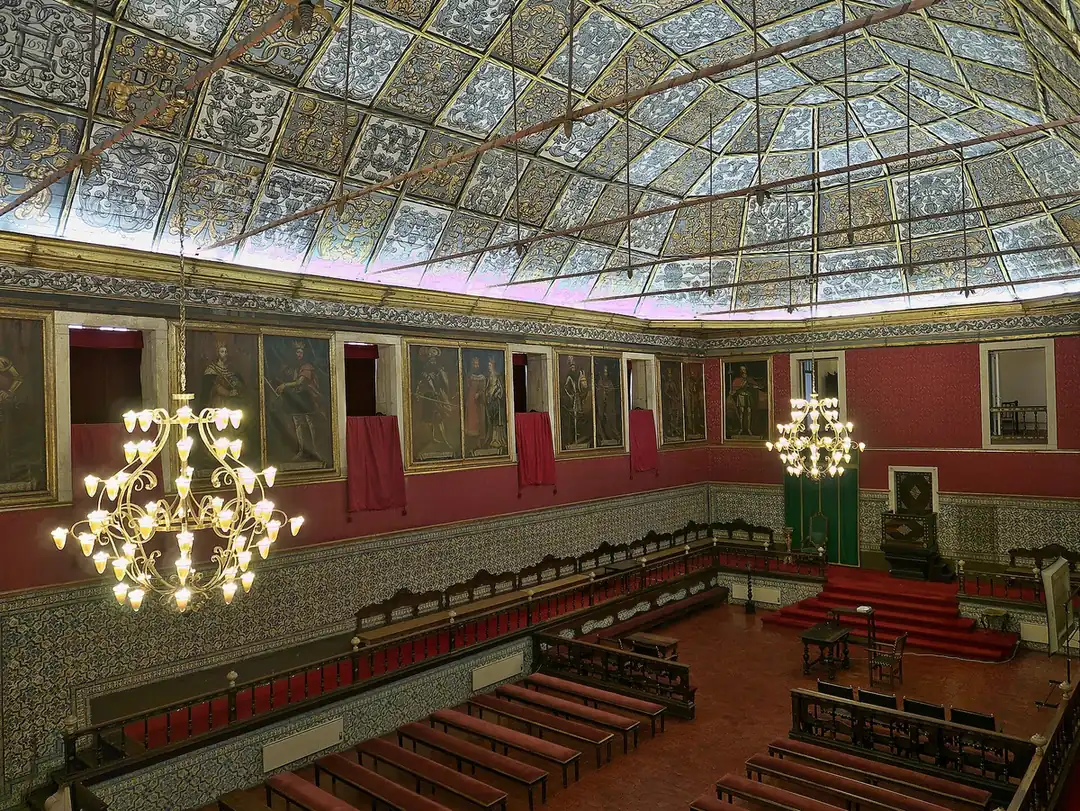
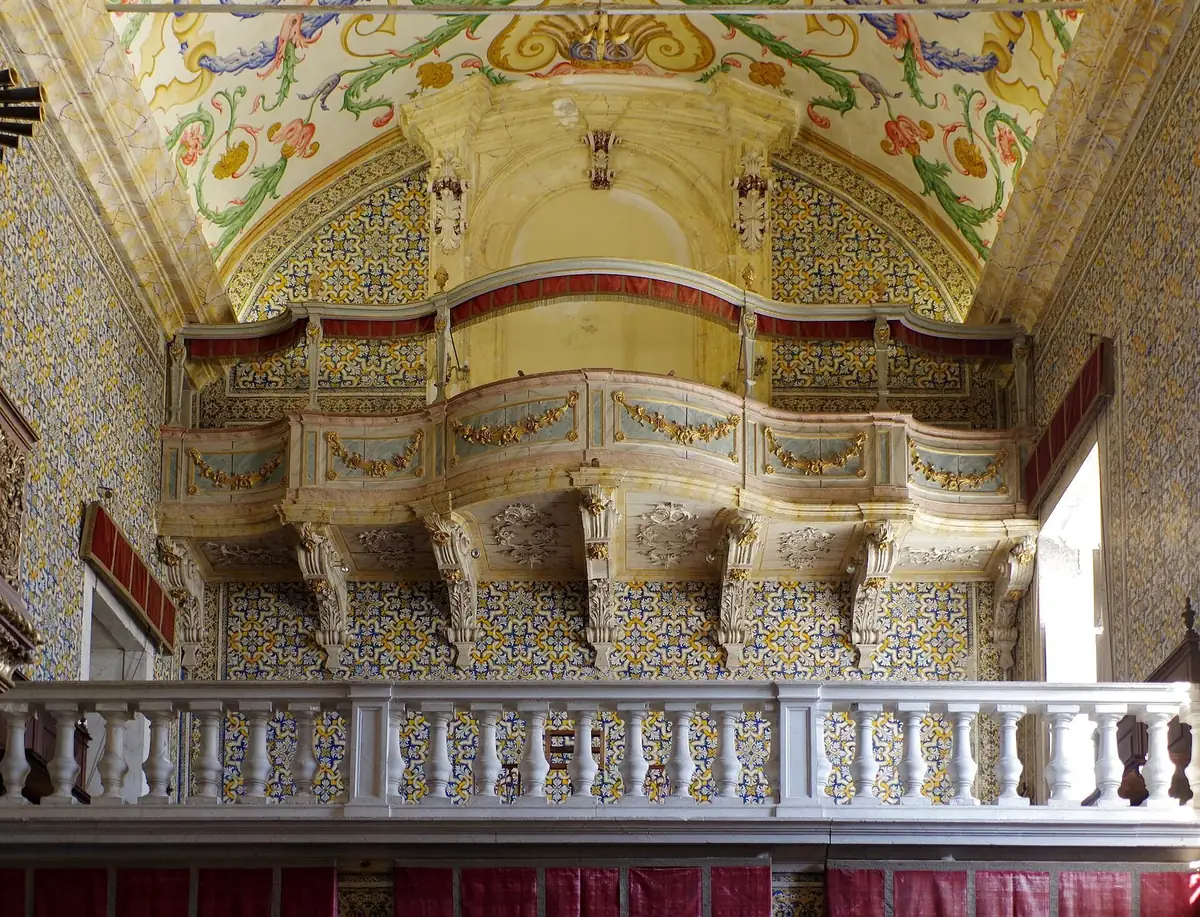
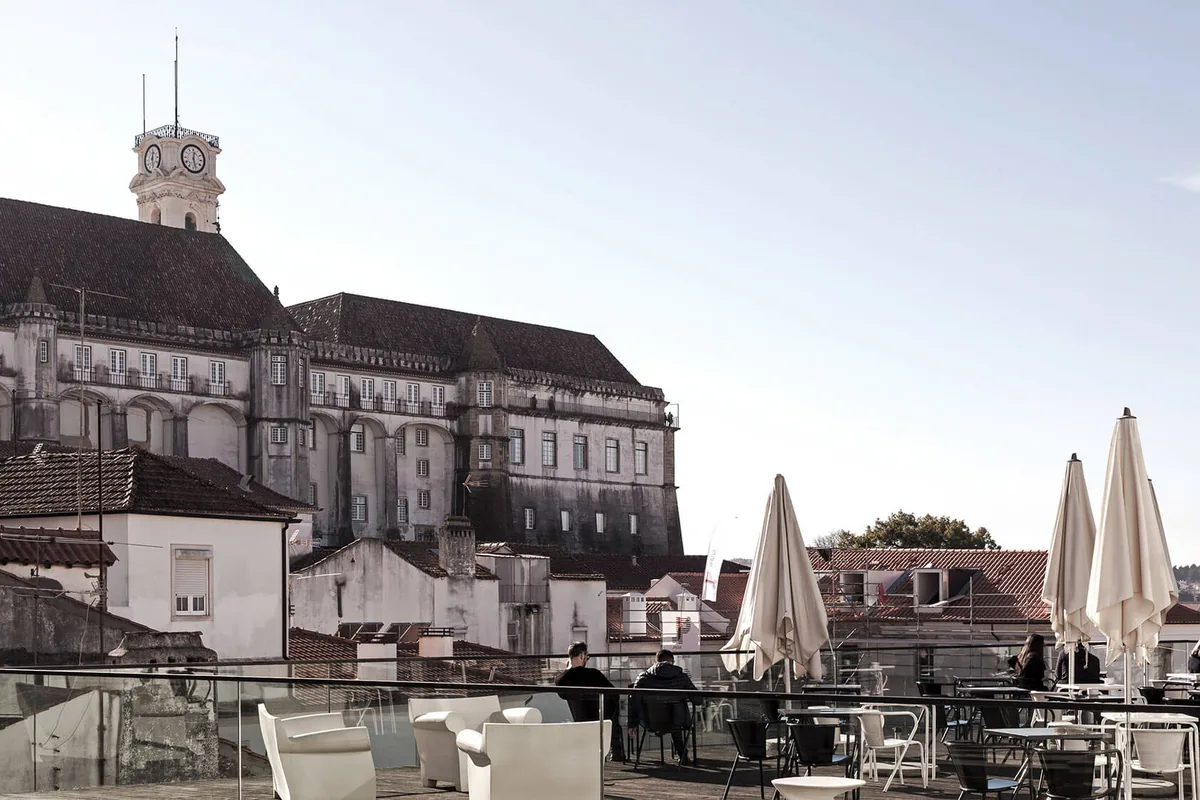
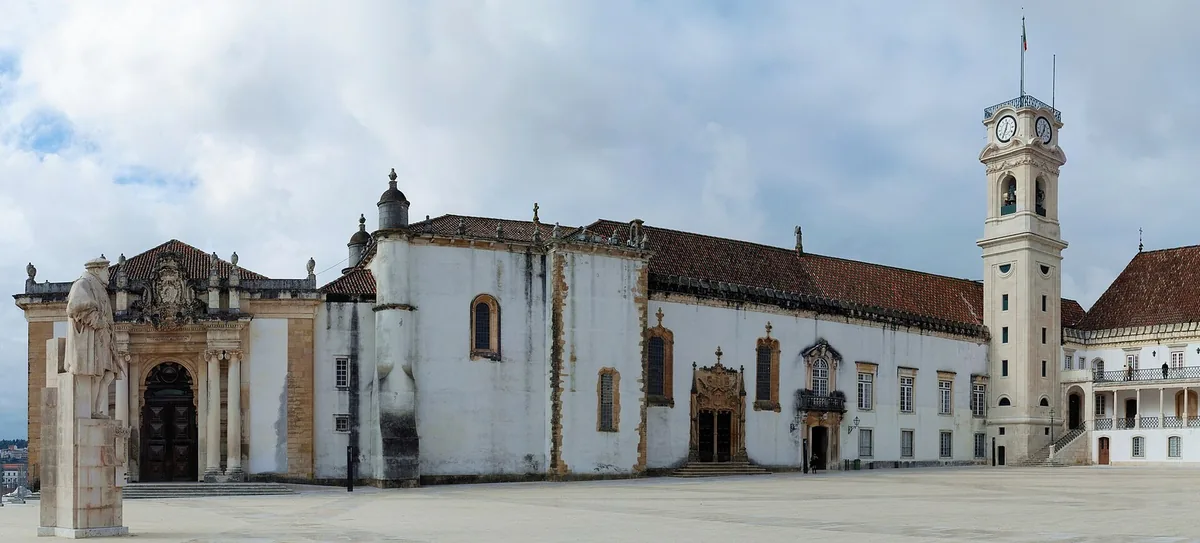
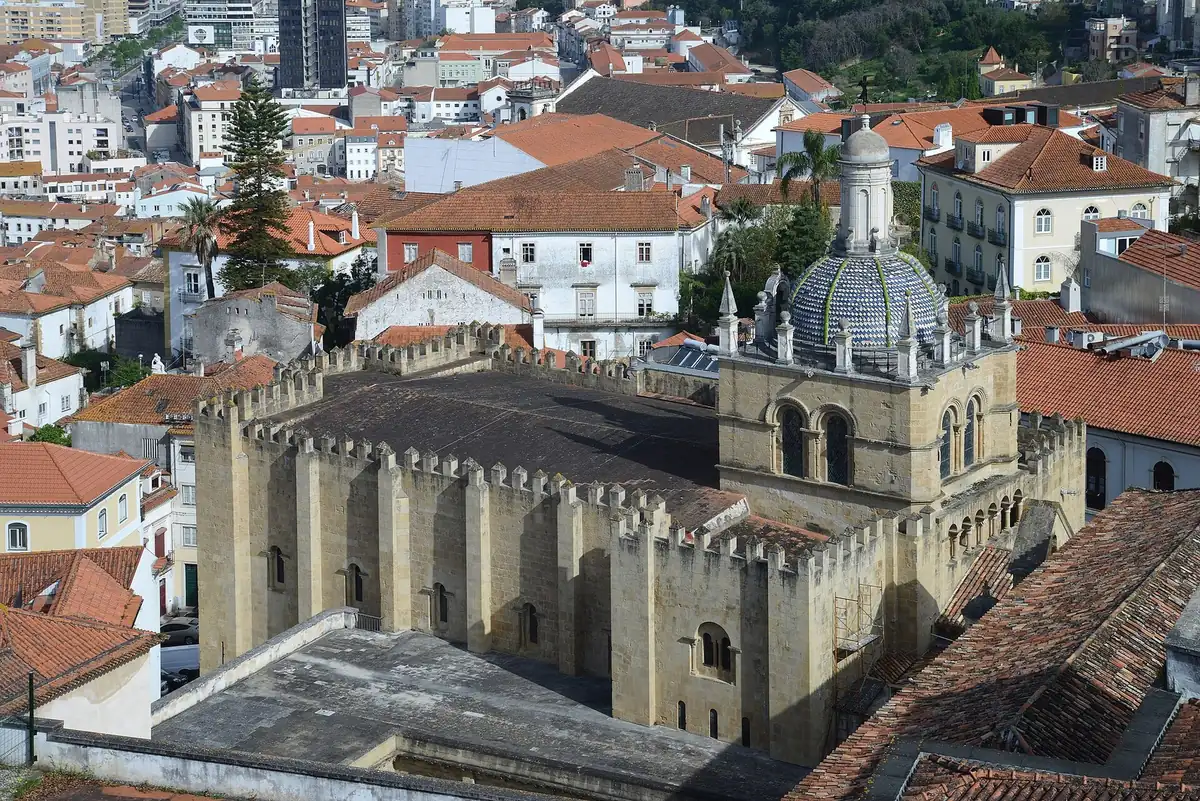
This is the upper town, the quarter the Romans walled and the university took over. The Biblioteca Joanina, the Paço das Escolas, the Capela de São Miguel and the Sé Velha all sit on this hill, inside the 2013 UNESCO inscription for the University of Coimbra – Alta and Sofia. Serenata Hostel, which occupies a building on the Sé Velha square, describes its own address as standing within the World Heritage site. That is how tight the perimeter is.
What the hill holds
Think of the Alta as one long ridge with the university at the top and the cathedral halfway down. The Paço das Escolas courtyard is open and free to walk into; the ticketed interiors around it — library, palace, chapel, science collections — are sold as combined programmes rather than one by one.
Below the university, the ground drops toward the Sé Velha, a fortified Romanesque cathedral begun in 1164 and the cheapest serious interior on the hill at 3.00 EUR. The Sé Nova, a minute from the university ticket kiosk, costs 1.00 EUR.
One large absence to plan around. The Museu Nacional Machado de Castro, with the Roman cryptoporticus underneath it, has been closed since February 2026 for conservation works and publishes no reopening date. It sits in the middle of the quarter, and a lot of itineraries still route past a locked door.
The Torre da Universidade is also not currently on sale, so do not build an afternoon around the view from the top of it.
The climb, and the lift that beats it
Julie Dawn Fox, who has written about Portugal for years, frames the trade-off of staying up here exactly right: you will do less uphill walking while sightseeing, but more of it every time you go down to the Baixa and come back. That is the deal. Steep cobbled streets, and parking she calls awkward.
The famous route up is the Rua do Quebra-Costas — Back-Breaker Street — the stepped lane that starts under the Arco de Almedina. It is the photograph everyone takes and the ascent everyone underestimates. No official gradient or step count is published for it, so treat any number you see online as somebody’s guess.
Use the lift. The Elevador do Mercado climbs 51 metres in two stages and runs Monday to Saturday 07:30–21:00 and Sundays and public holidays 10:00–21:00, per the city transport operator SMTUC. It delivers you near the top of the hill in a shirt you can still wear to dinner. On a July afternoon this is not laziness, it is planning.
If you would rather walk the hill downhill and let gravity do the work, take the Alta to Baixa descent and start at the top.
Evenings on the hill
The Alta at night is a student quarter, and the centre of it is Largo da Sé Velha. Frommer’s describes the bars on and around that square as packed with students, professors and locals, and advises moving between them rather than picking one. That is the correct instruction and it is also, honestly, the limit of what is documented.
Nobody reputable publishes the names of the individual student bars on this hill. Frommer’s declines to name them on purpose. We are not going to invent a list, so treat the square as the address and the doorways as the menu.
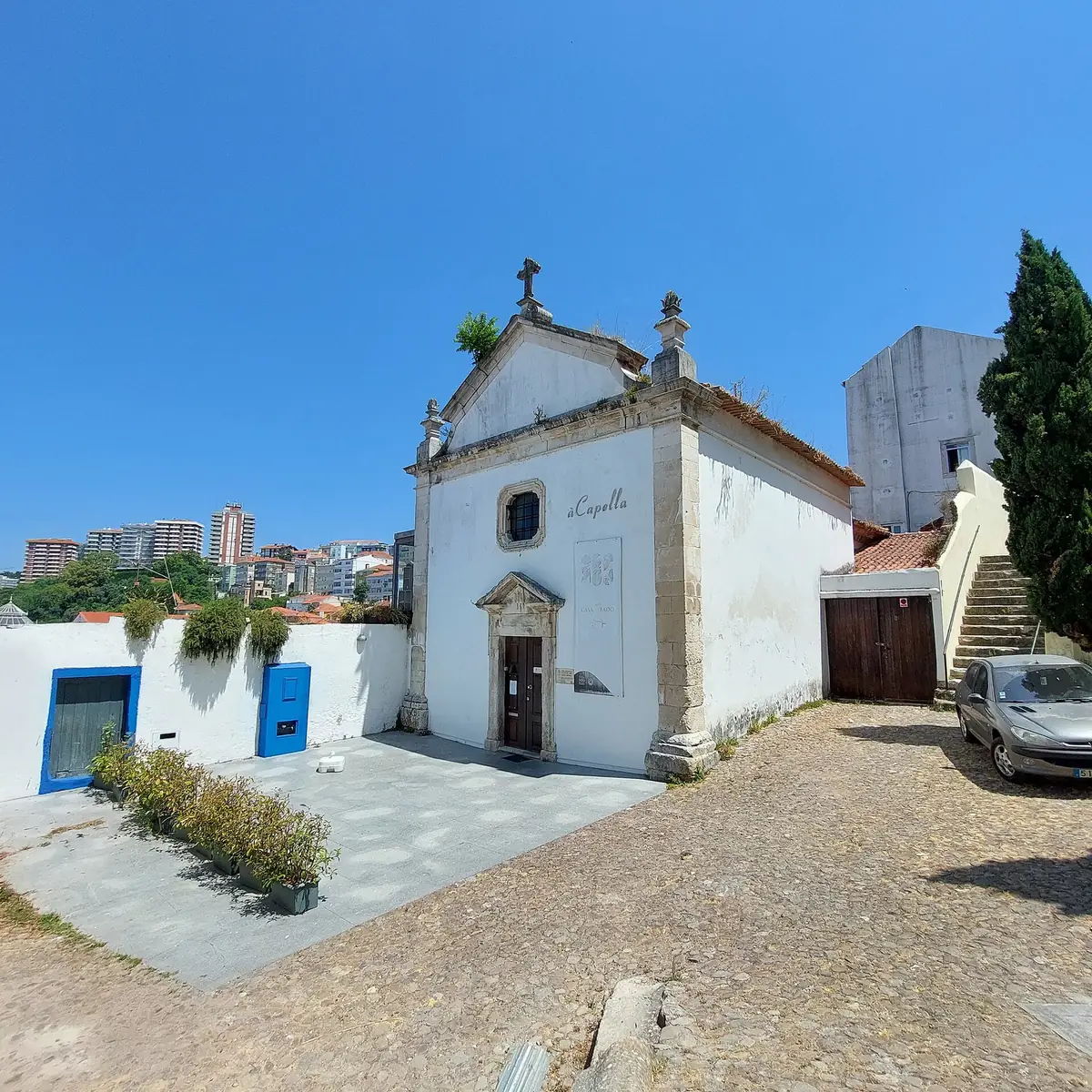
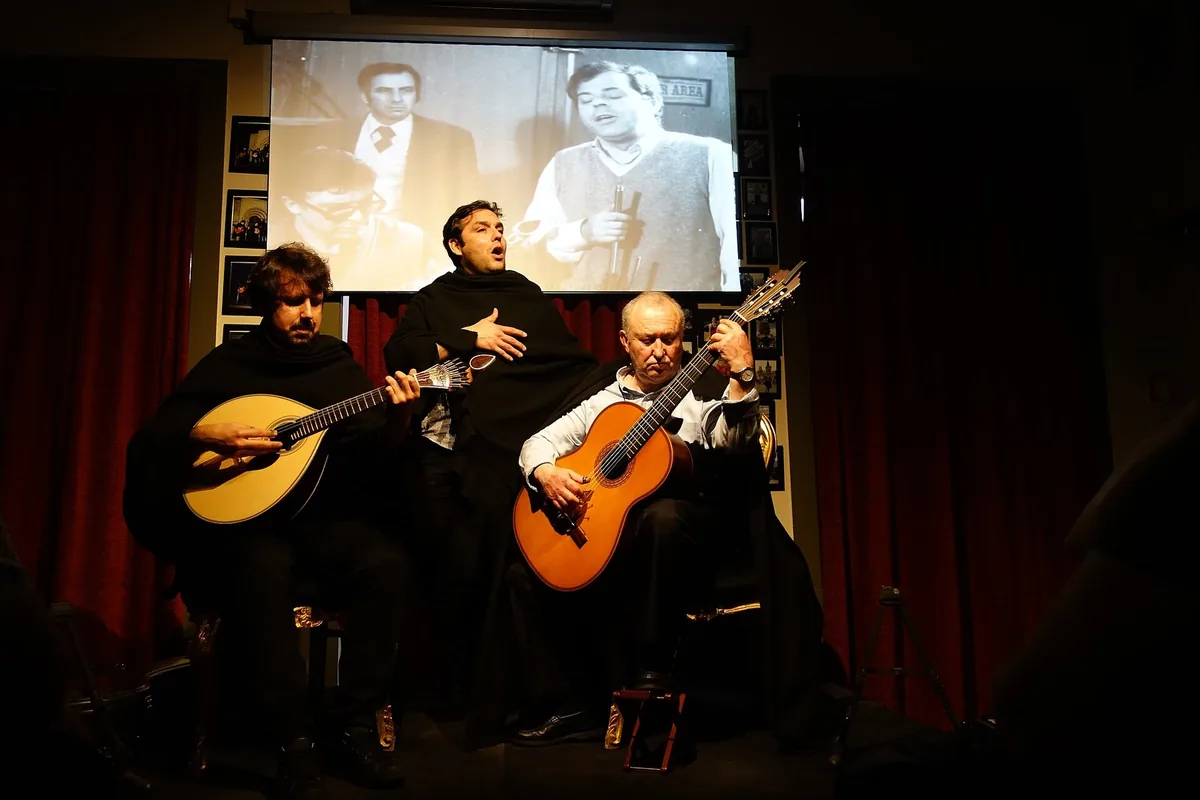
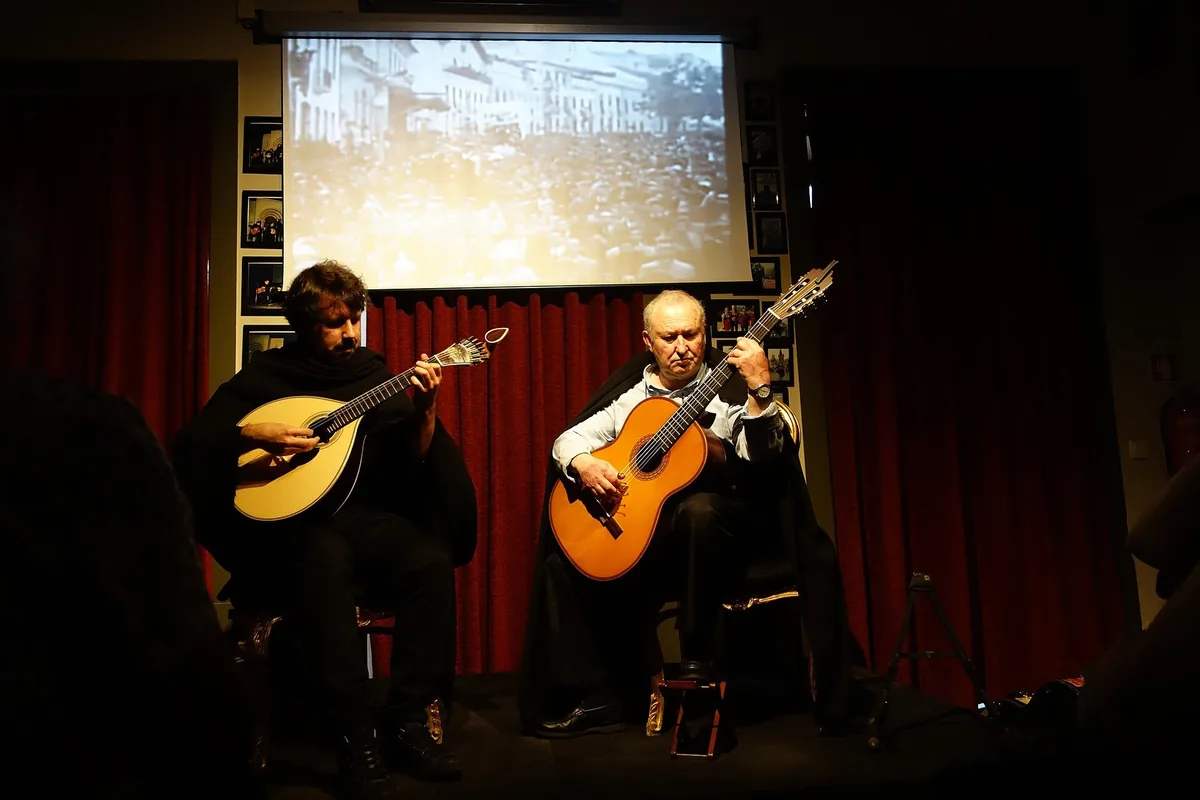
What is documented by name is the fado. À Capella, on Rua Corpo de Deus, was converted from a chapel built in 1364 and runs Coimbra fado nightly; Fado ao Centro sits on the Quebra-Costas stairway at number 7. Both are covered on their own pages, with what each one does and does not publish.
One warning worth having before you book a room here: Fox notes the Alta can be noisy during university term, and the academic calendar brings serenades, processions and the Queima das Fitas in May. That is a feature if you came for it and a problem at 03:00 if you did not.
Eating and drinking up here
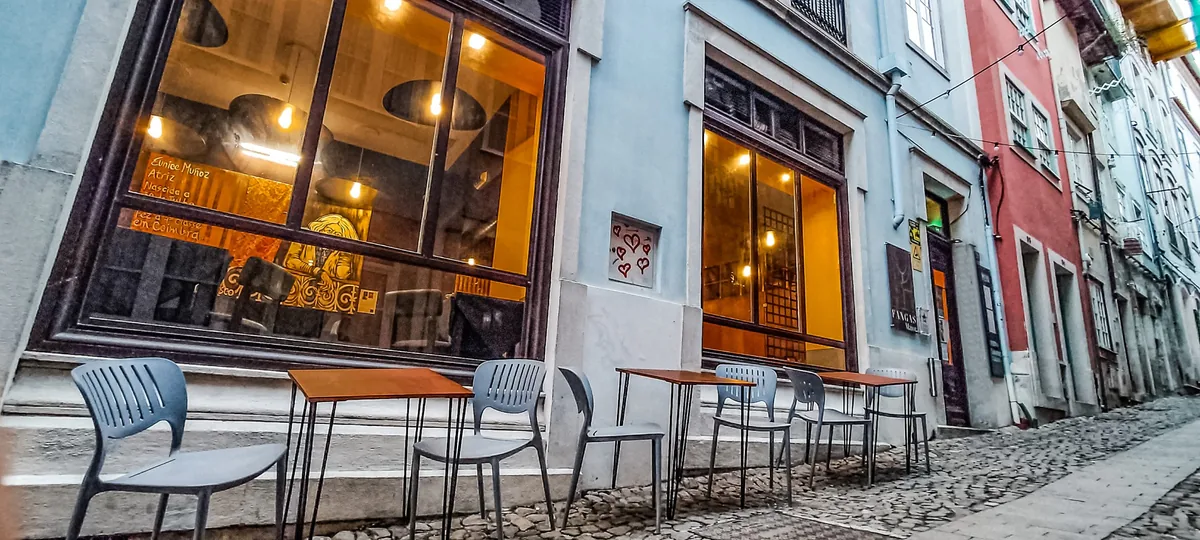
The hill is thin on restaurants compared with the Baixa, and the good ones are small. Zé Manel dos Ossos, in the alley of Beco do Forno on the hill’s lower edge, has seven tables and a queue outside at noon. Fangas Mercearia Bar sits on Rua Fernandes Tomás, the street that runs up from the Baixa.
Loggia, the café-restaurant inside the Machado de Castro museum, has the best terrace view in the city by the account of two independent food writers. It is also inside a museum that has been shut since February 2026, and nobody publishes whether the restaurant trades independently of it. Phone before you climb.
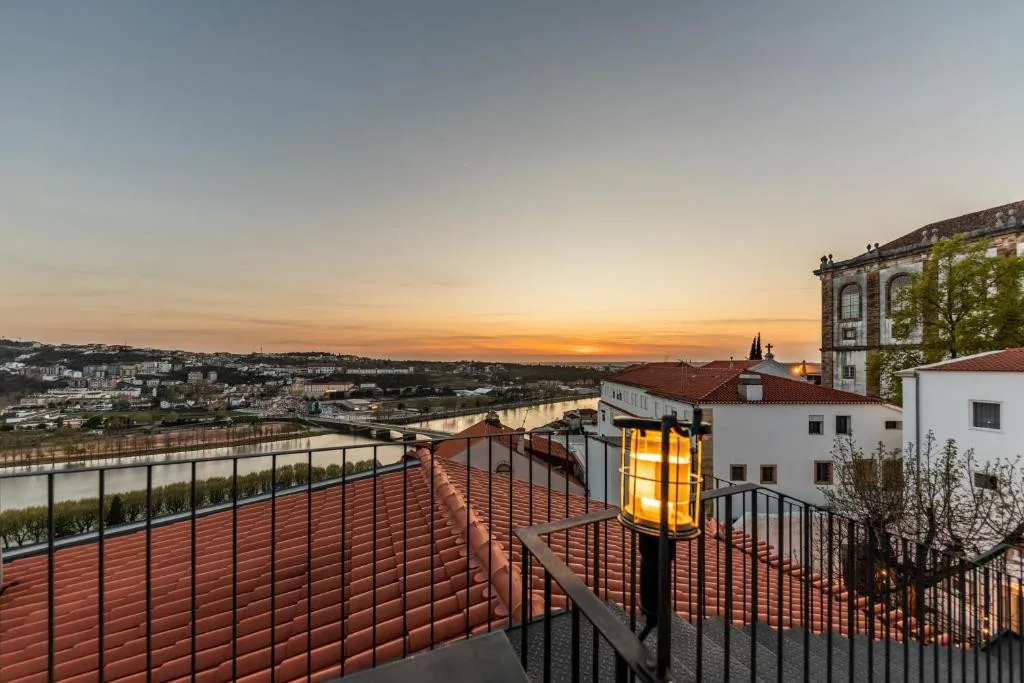
For a drink with a view rather than a meal, the Sapientia Boutique Hotel on Rua José Falcão has a rooftop; its opening hours are not published either, which is a recurring theme in this quarter.
The cheapest hot meal on this hill is the university canteen system, and it is the one thing in Coimbra eating with published prices. The university’s student services, SASUC, run eight canteens — Central (Sala Azul), Amarela, Químicas, São Jerónimo, Luzio Vaz, Vermelhas, Escola de Enfermagem and Branca — plus faculty bars and other units. Published prices are 2.40 EUR for the refeição social for UC students, 2.00 EUR for UC students holding a DGES scholarship, and 4.90 EUR for the refeição completa. All include bread, soup, a main course and dessert, and water is free at every unit.
Now the caveat, and it matters. That 4.90 EUR tier is worded for non-UC students and students of other higher-education institutions — not for the general public. SASUC’s pages do not say that a tourist with no student card may eat there, and we could not confirm it. The published tier strongly implies outsiders are served; it does not state that you are one of them. Telephone 939 826 748 or 939 835 224 before you turn up, and do not treat a canteen as a guaranteed lunch. More on eating cheaply in the city is in the Coimbra food guide.
Staying in the Alta
Stay up here if the monuments are the trip and you can handle the gradient. Fox calls the Alta the most atmospheric choice for a historic stay, and she is right; you also wake up inside the World Heritage perimeter.
Serenata Hostel has the best-located bed on the hill, on Largo da Sé Velha 21/23, in a building that was once the Bissaya Barreto maternity institute and later the Coimbra music conservatory. It runs dorms, doubles and private suites, so it is not a backpackers-only proposition.
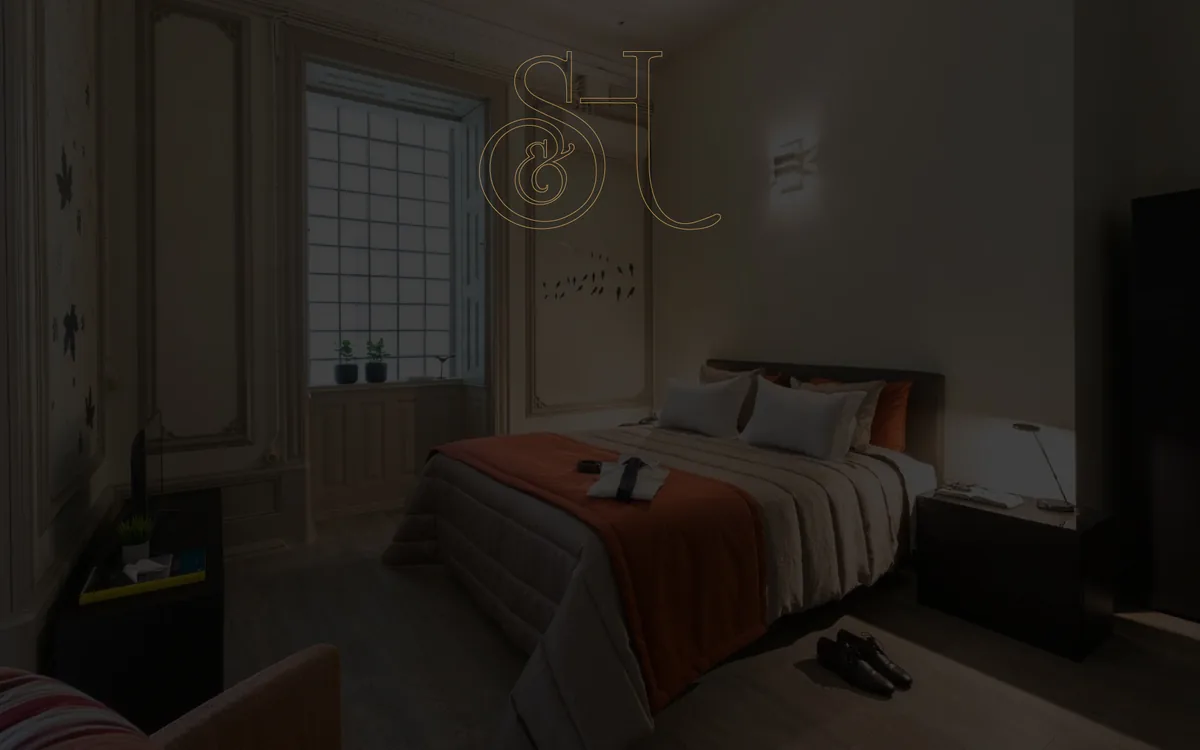
Sapientia is the boutique option inside the university quarter, on Rua José Falcão 4. The full comparison of quarters, including what you give up by sleeping up here, is in where to stay in Coimbra.
Do not bring a car if you can avoid it. Parking on the hill is awkward, the lanes are narrow and several of them are stairs. If you are driving, Santa Clara across the river is the easier proposition.