Discover
Religious heritage in Coimbra
Monuments & sites
Mosteiro de Santa Clara-a-Nova
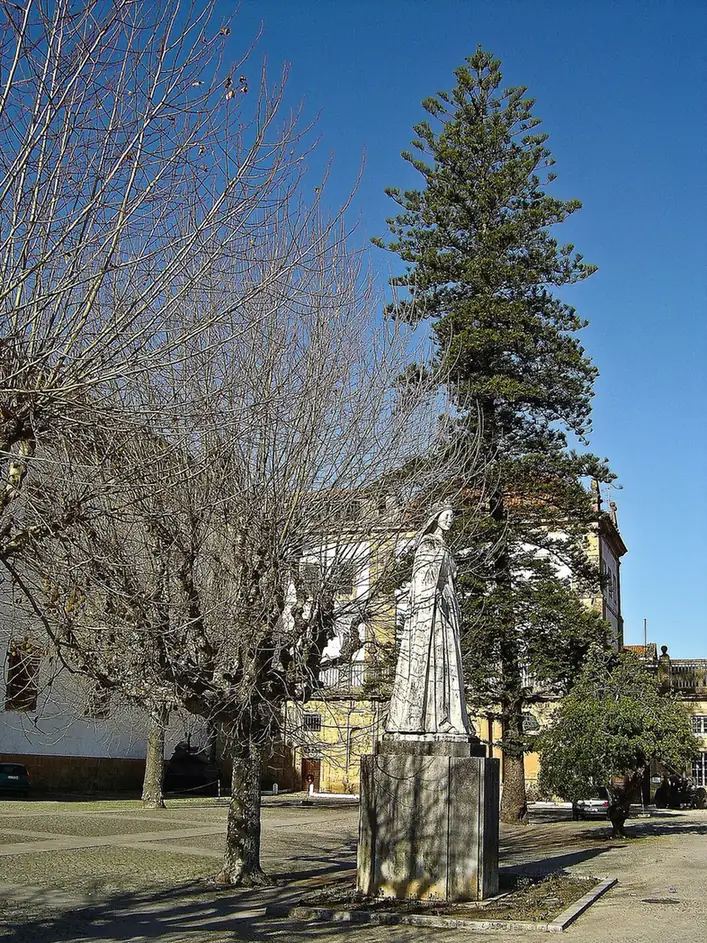
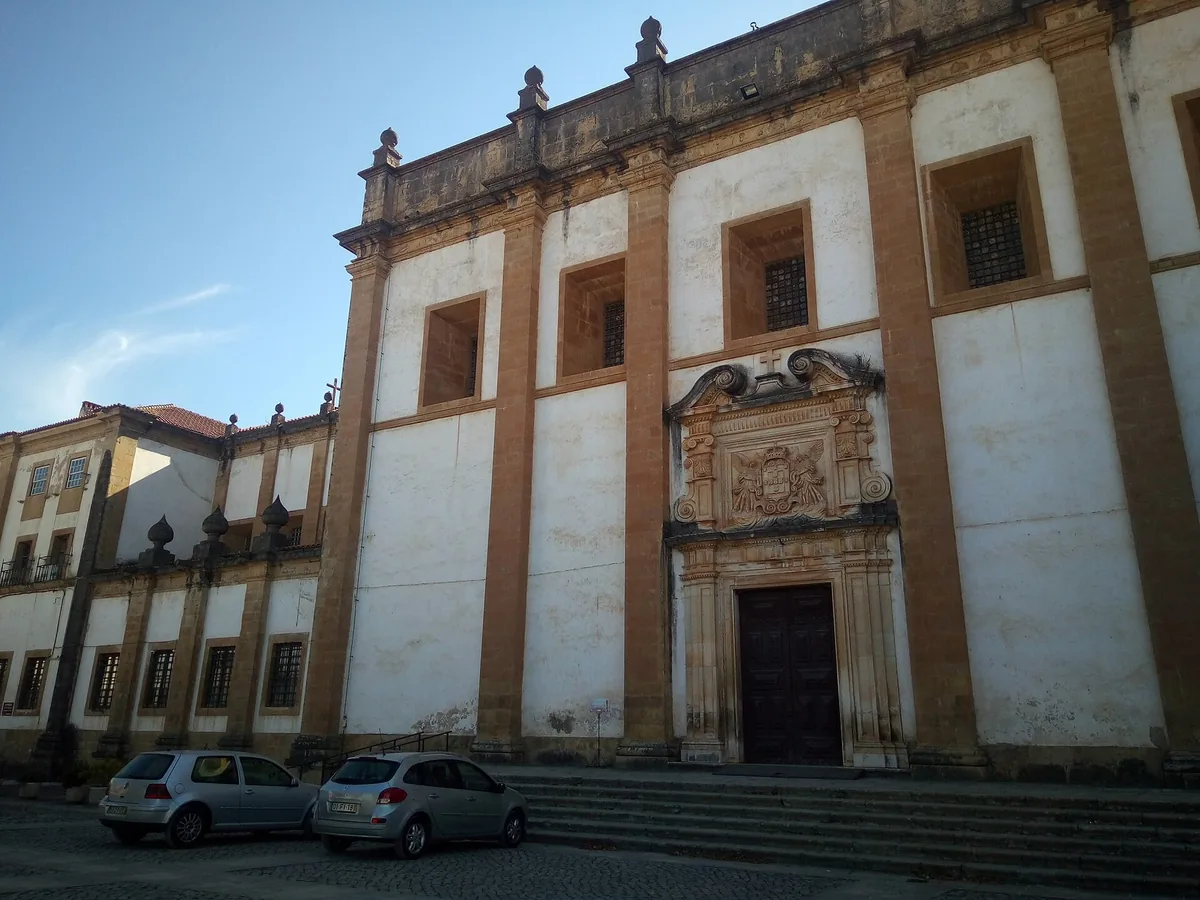
Queen Isabel is buried twice in this hilltop monastery: in silver and crystal above the altar, and in the Gothic tomb her nuns dragged up from the flooded river bank.
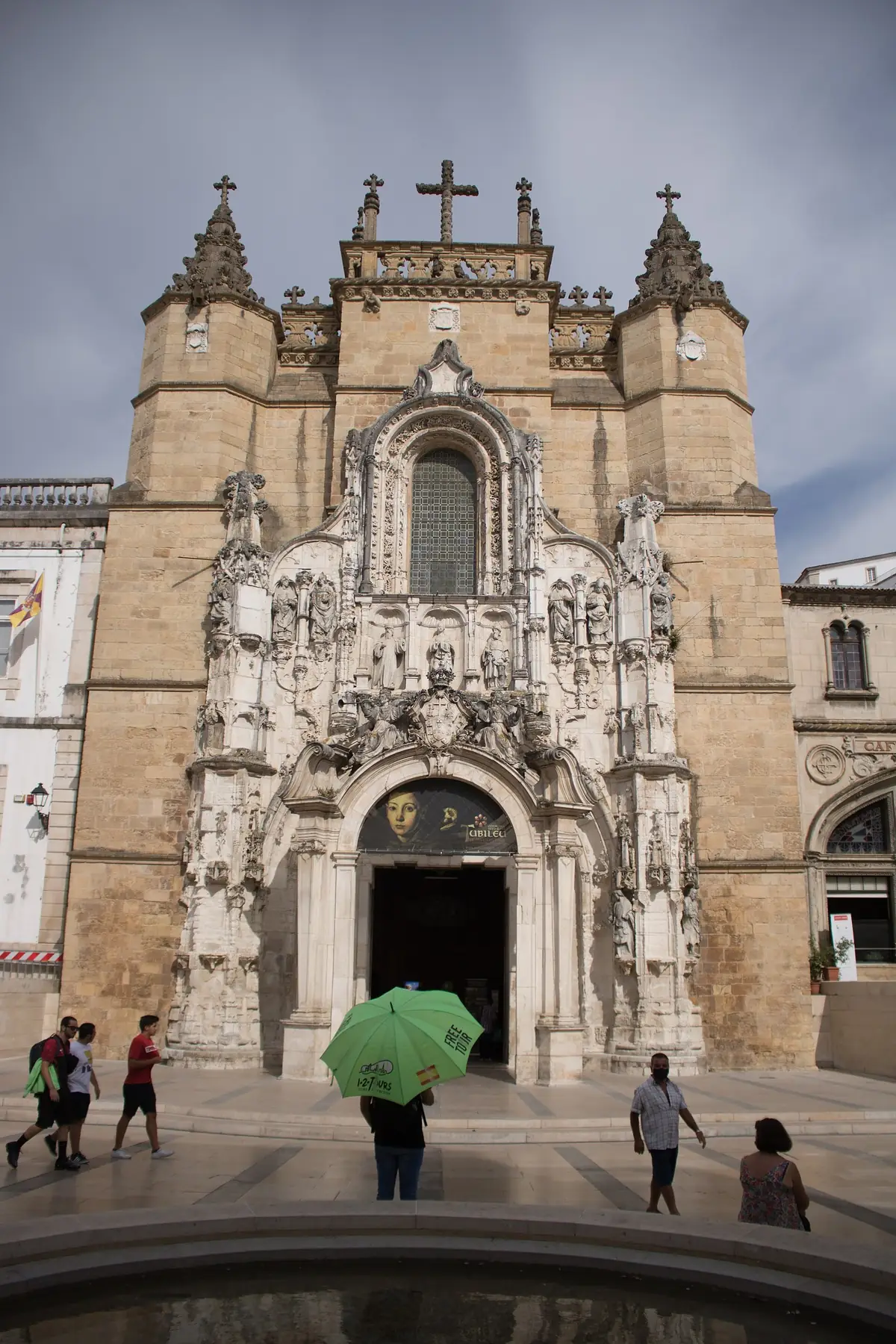
Mosteiro de Santa Cruz
A National Pantheon on the Baixa’s main square: two royal tombs you can see for nothing, and a cloister, sacristy and high choir most visitors never buy.
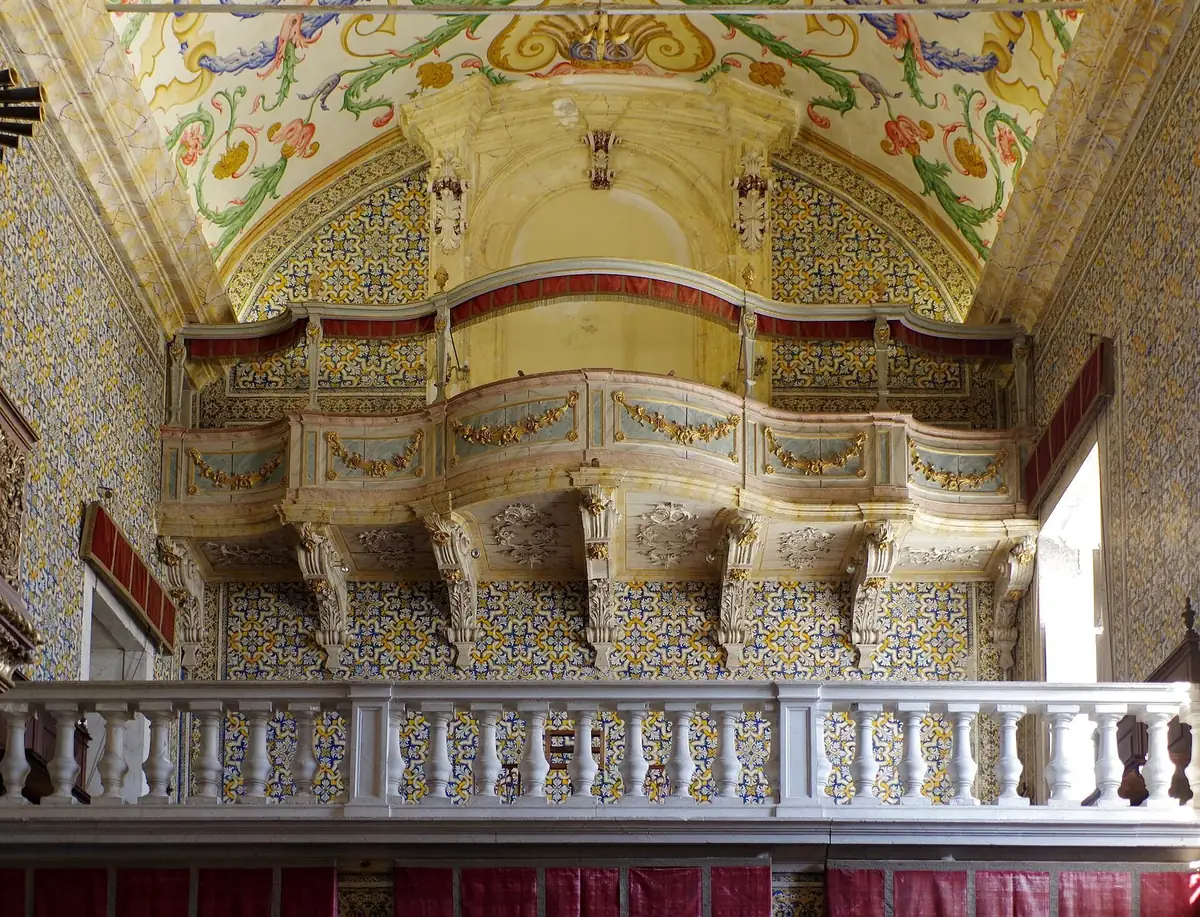
Capela de São Miguel
The royal palace’s private oratory, still the university chapel: blue-and-white tiles of 1613, gilt Baroque altarpiece, and the plaque that took the crown off Portugal’s kings.
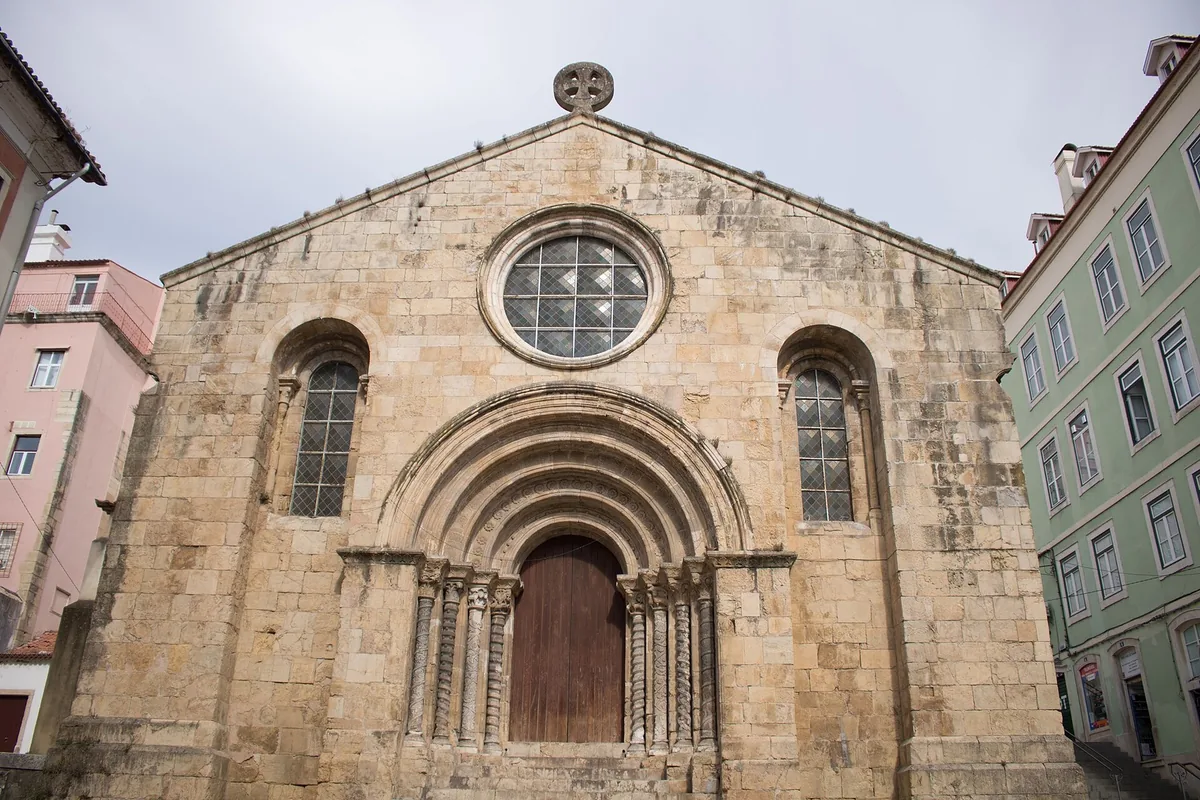
Igreja de São Tiago
One of Coimbra’s oldest buildings, on the Baixa’s busiest square, and the hardest to get information about: no official page publishes its hours or admission.
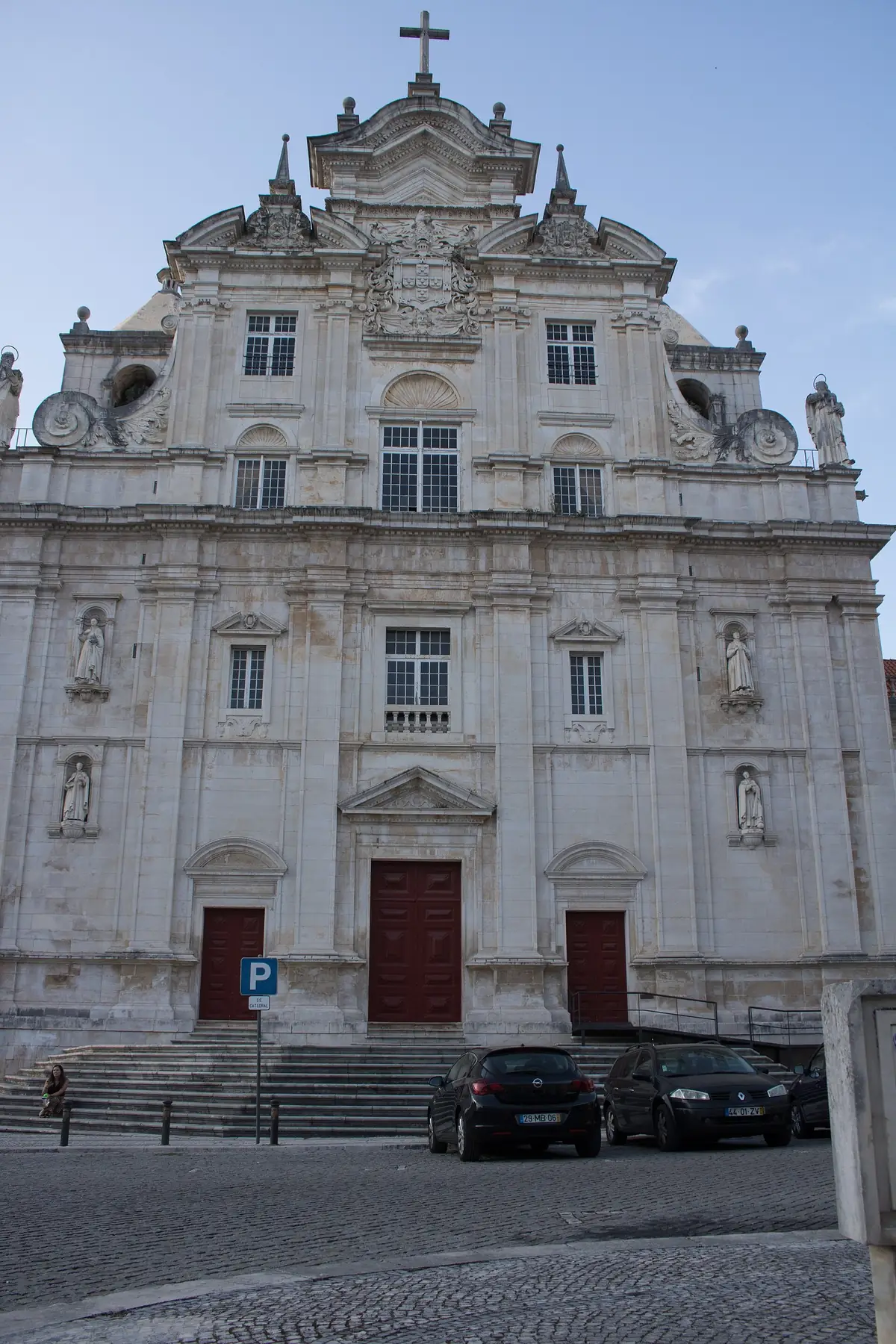
Sé Nova de Coimbra
The Jesuit College church that took a hundred years to build and became Coimbra’s cathedral in 1772 for one reason: it was bigger than the old one. Entry 1 EUR.
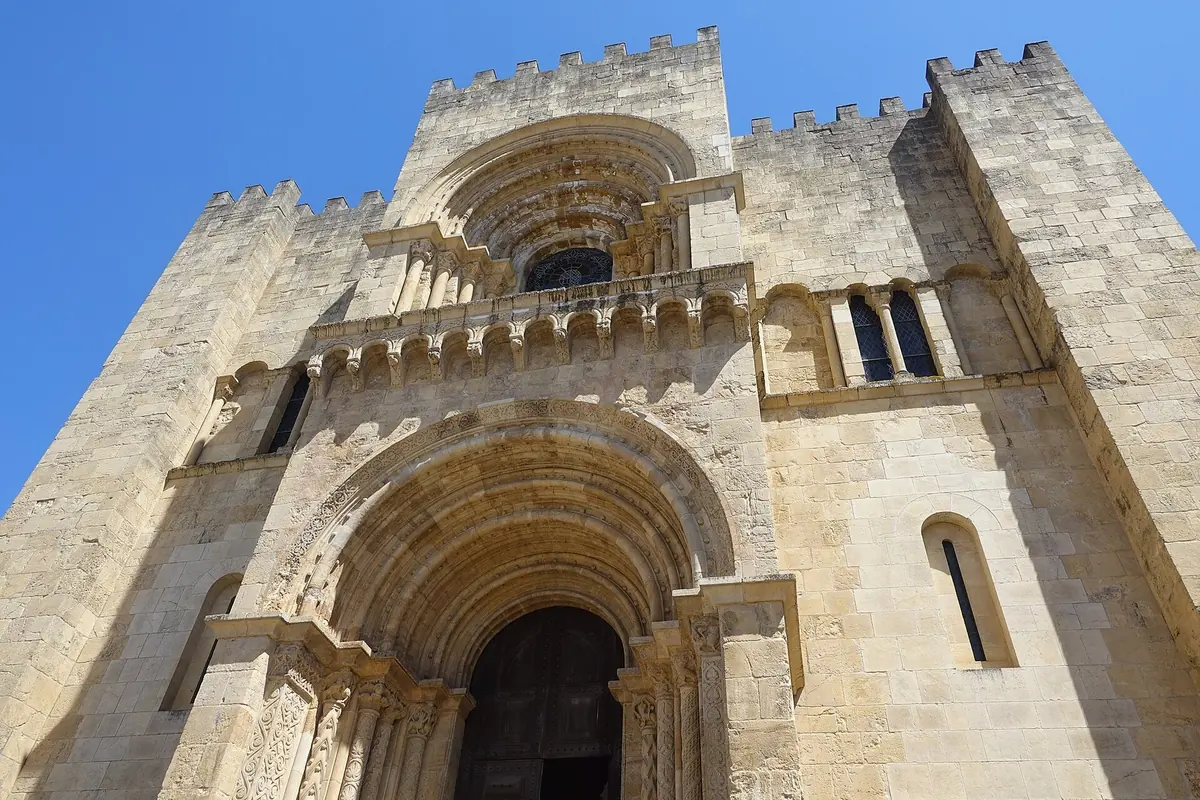
Sé Velha de Coimbra
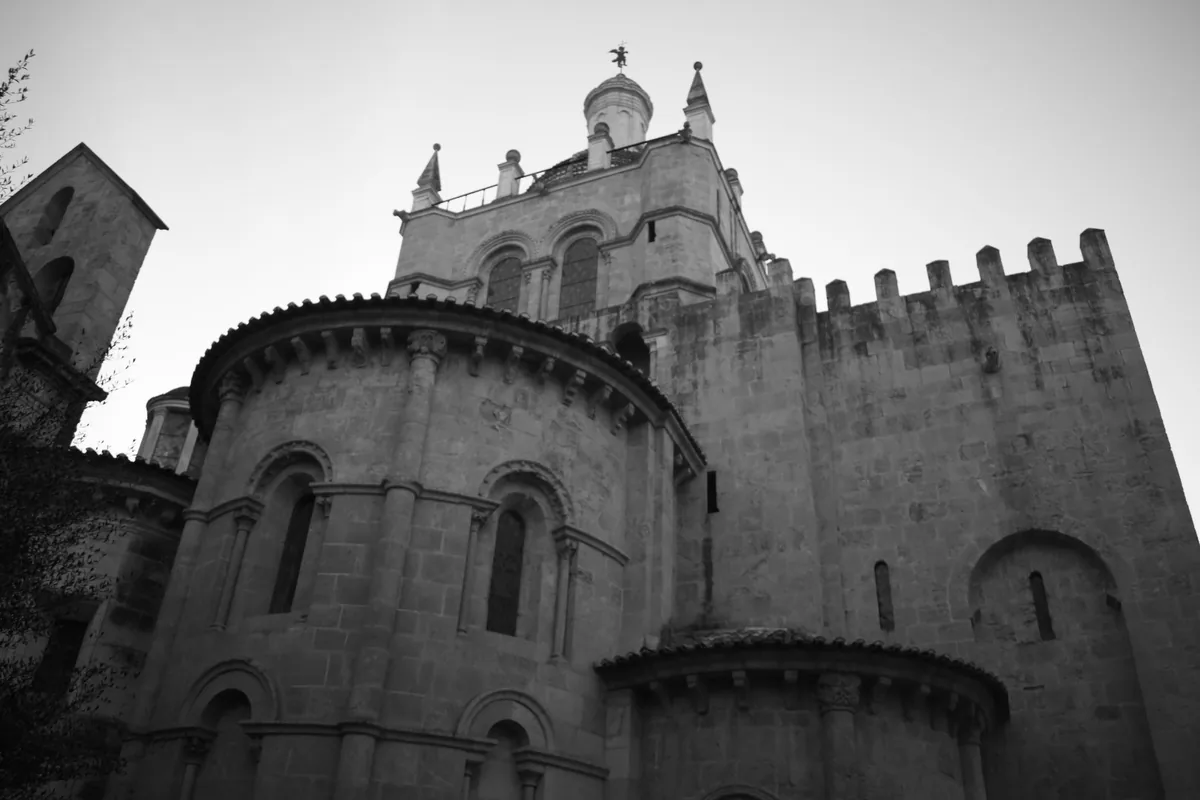
A fortified Romanesque cathedral begun in 1164, with the richest Romanesque carving in Portugal and not a single human figure in it. Entry 3 EUR.
Neighbourhoods
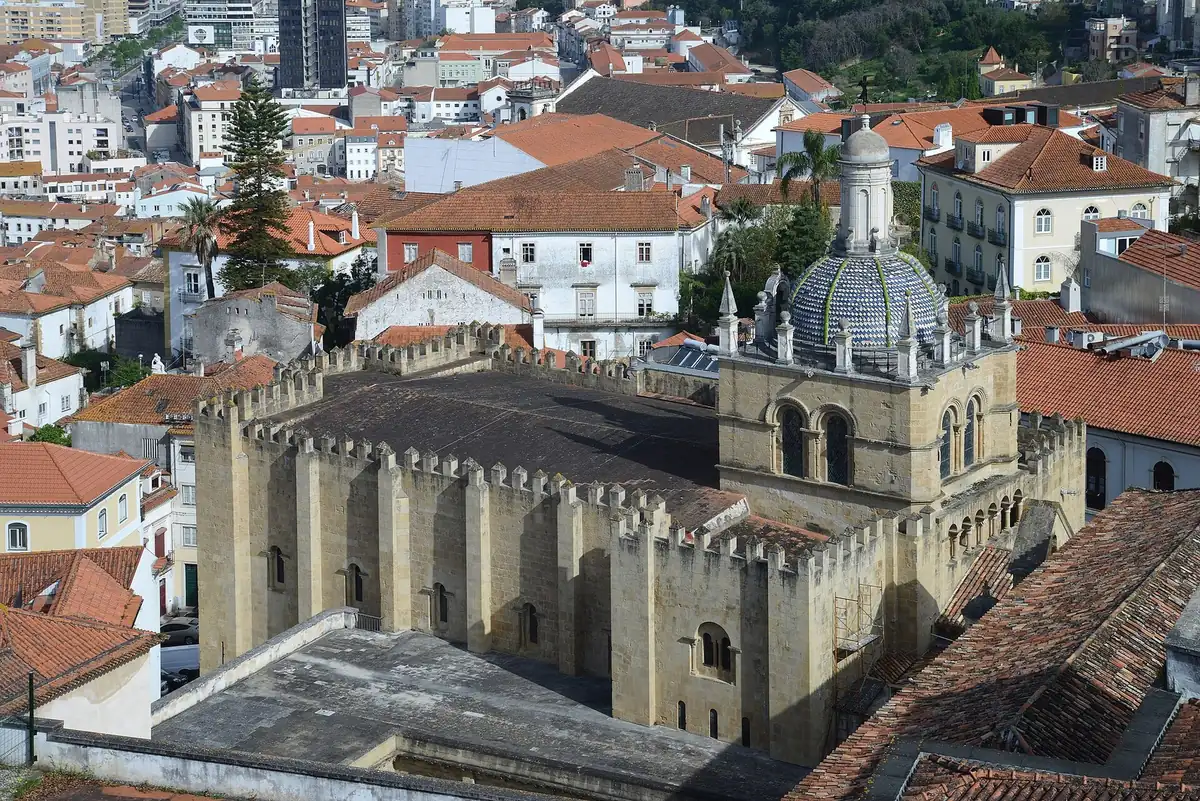
Alta
The UNESCO hill: university, two cathedrals, a stepped lane called Back-Breaker Street, and a public lift that rises 51 metres so your calves do not have to.
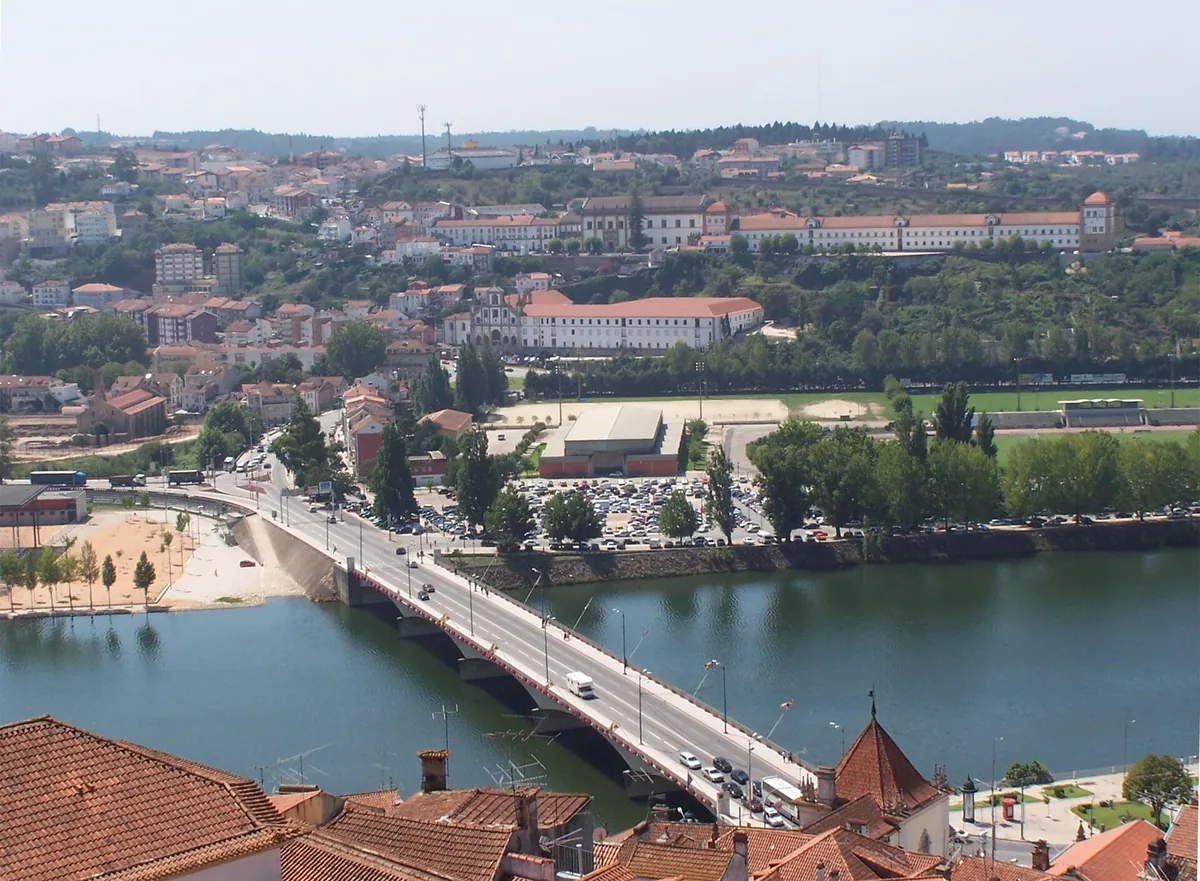
Santa Clara
The left bank across the Mondego: a drowned Gothic monastery, a queen buried twice on the ridge above it, and the only side of Coimbra a car forgives.
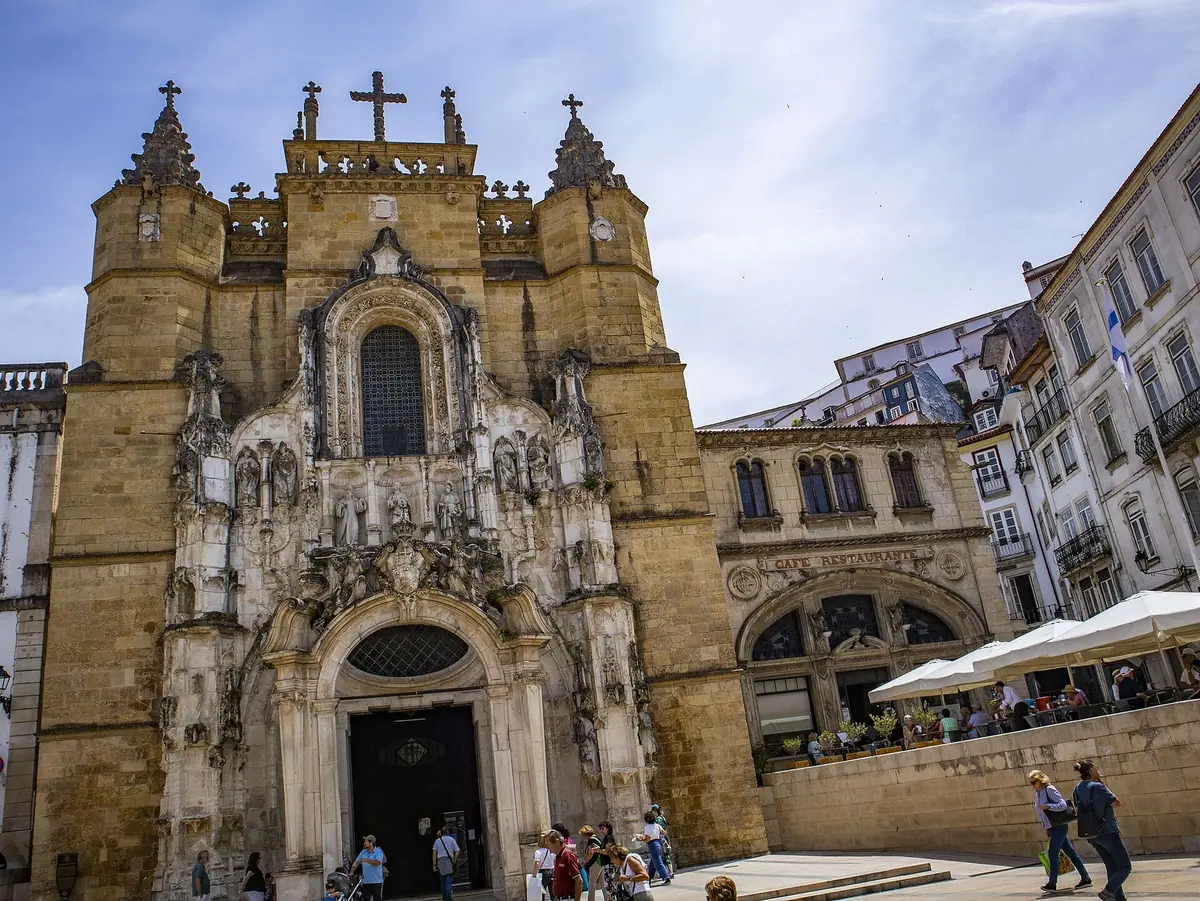
Santa Cruz
One square doing the work of a quarter: Portugal’s first two kings in a free nave, a café inside the old church, and Rua da Sofia heading north.
Bars
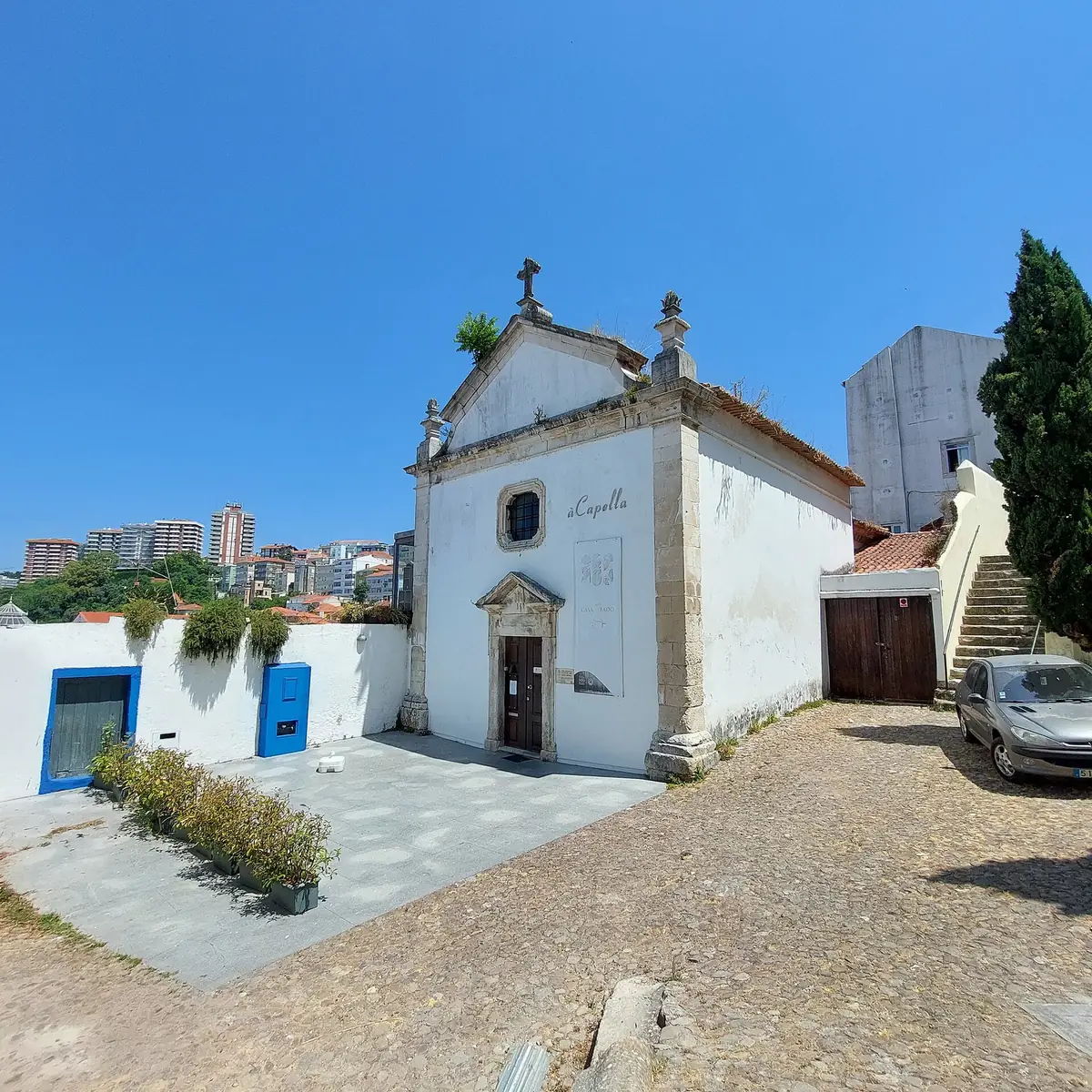
À Capella
Coimbra fado three times a night inside a chapel built in 1364. The times and the cover charge come from one undated source — confirm before you go.
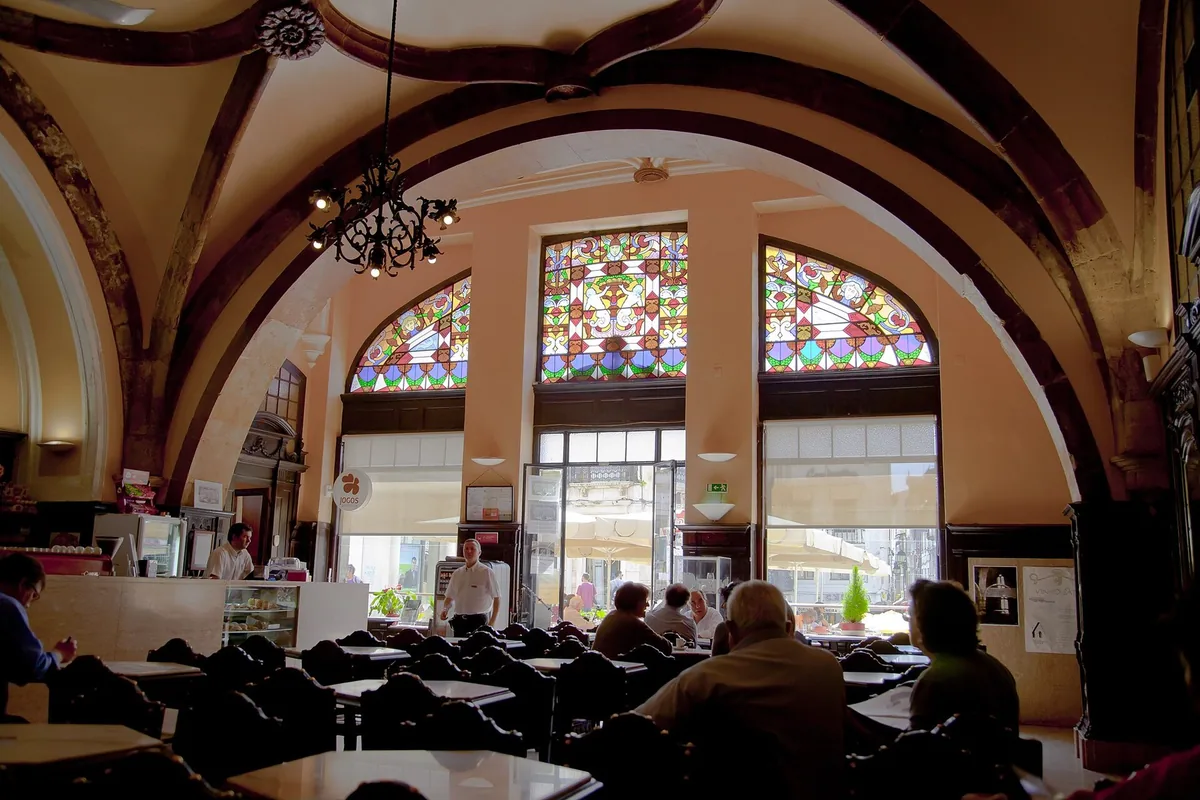
Café Santa Cruz
A café inside a church deconsecrated in 1834 and converted in 1923, with free Coimbra fado twice a day and no published opening hours of its own.
Dishes
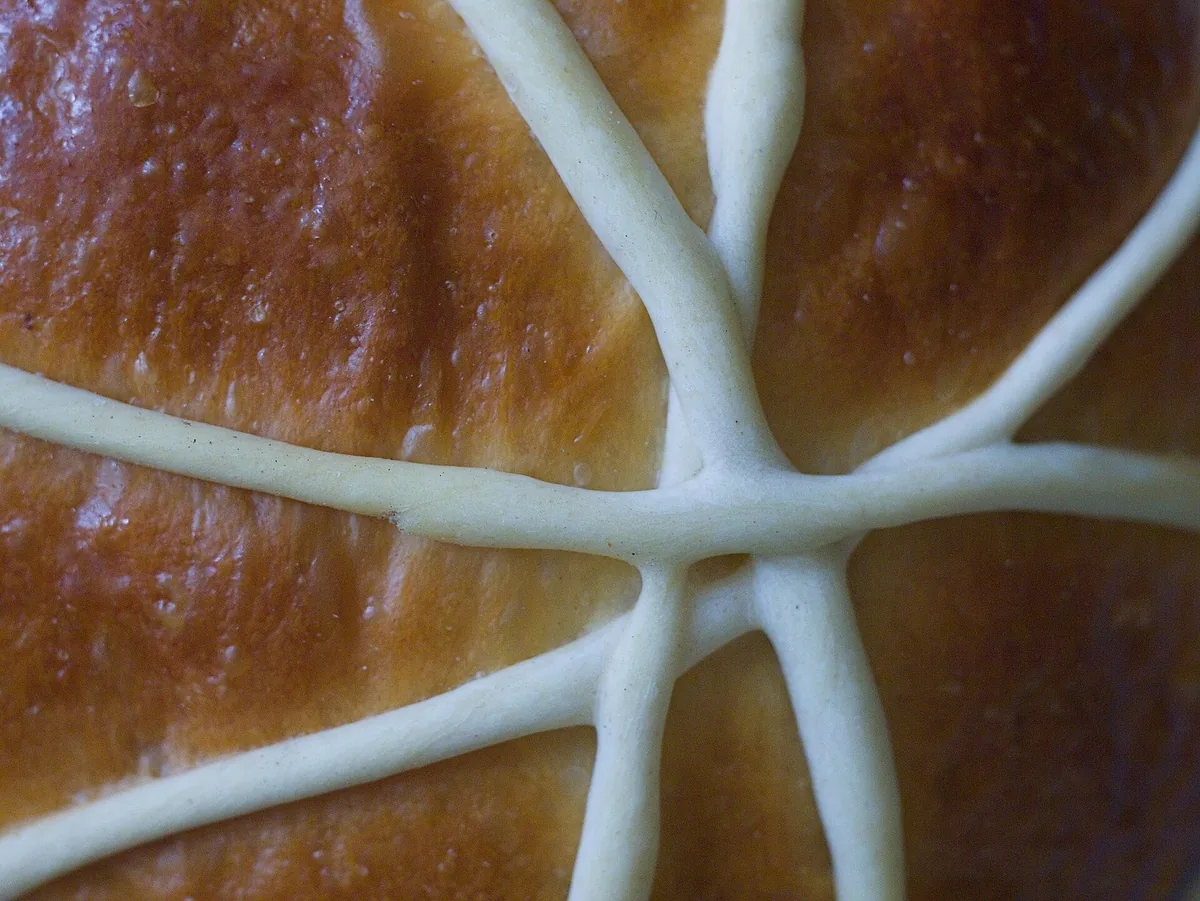
Arrufadas de Coimbra
A round, light sweet bread scented with cinnamon and aniseed, and one of only two sweets in this guide that genuinely originate in Coimbra itself.
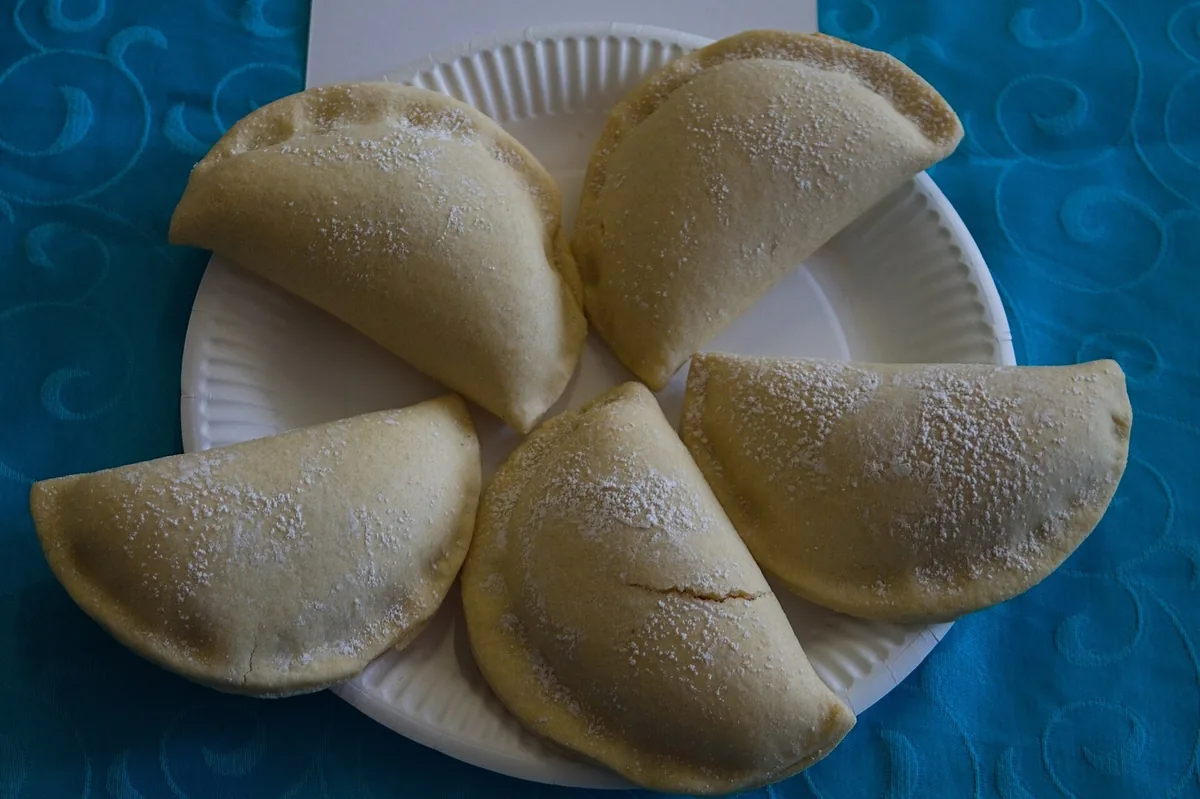
Pastéis de Santa Clara
Half-moon pastries filled with egg sweet and ground almond, from the Convento de Santa Clara. One of only two sweets that genuinely originate in Coimbra.
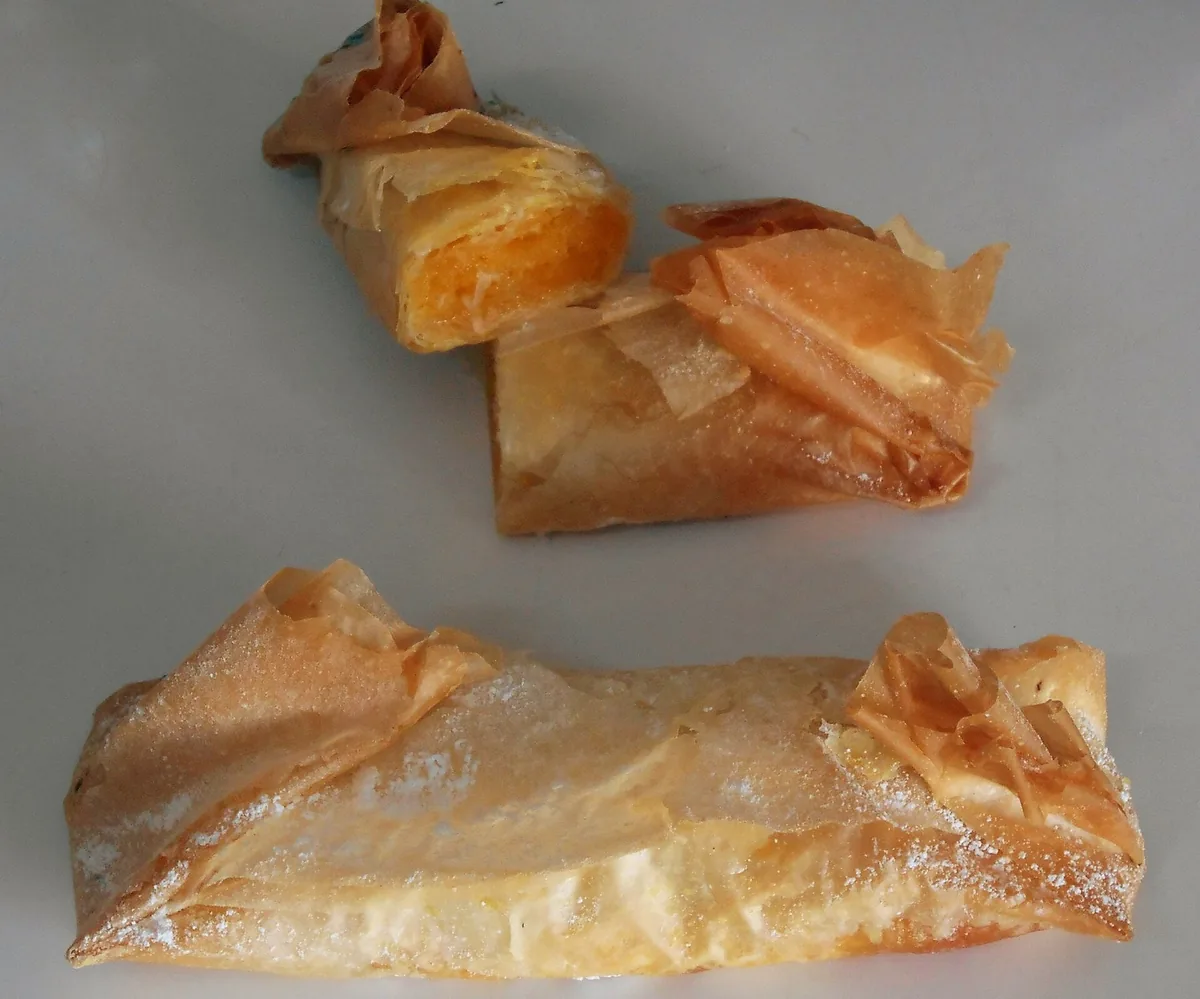
Pastel de Tentúgal
Dough stretched to between 0.06 and 0.15 mm, rolled around egg and sugar syrup. IGP protected, from Tentúgal in Montemor-o-Velho, twenty kilometres west.